Christie's International Real Estate Malta
Residential Property in Malta For Sale and Rent in Malta
Residential Property in Malta
Malta's residential property market is shaped by a set of conditions that distinguish it from virtually any other European market: an island of approximately 316 square kilometres, a population of around 550,000, and a land supply that has been densifying for decades without any prospect of meaningful expansion. The result is a market where structural scarcity supports long-term values, where prime urban addresses command consistent demand from both local buyers and an established international community, and where the range of available property types stretches from contemporary high-rise apartments to historic palazzos that have stood for several centuries.
Christie's International Real Estate Malta advises buyers, sellers, tenants, and landlords across all segments of the residential market, including apartments and penthouses, townhouses and terraced houses, villas and detached houses, farmhouses, and historic character properties. Whether the objective is a primary residence, a second home, a long-term rental investment, or a relocation to one of the Mediterranean's most internationally connected small states, our team provides guidance grounded in detailed local knowledge and access to on and off-market opportunities across Malta and Gozo.

Understanding Malta's
Residential Property Permit System
Malta's regulatory framework for residential property purchases draws a distinction between Maltese nationals and EU citizens on one side, and non-EU nationals on the other. Understanding this distinction is essential for any international buyer before beginning a property search.
EU Citizens and Maltese Nationals
Maltese nationals and citizens of other European Union member states may purchase residential property in Malta on the same basis, with no restrictions on the number of properties that can be owned or the value thresholds that apply. This places Malta in line with the standard position across the EU single market, where freedom of establishment principles govern property ownership rights.
Non-EU Nationals: The AIP Permit
Non-EU nationals who wish to purchase residential property in Malta outside of a Special Designated Area (see below) are required to obtain an Acquisition of Immovable Property (AIP) permit from the Maltese government before completing any purchase. The AIP permit application is submitted through a Maltese notary or legal adviser and assessed by the relevant authority. Processing times and specific requirements vary, and prospective buyers should engage a qualified Maltese legal adviser at the outset to understand the current requirements and timelines.
In addition to the permit requirement, minimum property values apply to AIP purchases. These minimum thresholds are set by regulation and are subject to periodic revision, so buyers should confirm the applicable figures with their legal adviser at the time of purchase.
AIP permits are typically granted for a single residential property intended for the buyer's own use or for investment purposes. Non-EU nationals seeking to build a broader residential portfolio in Malta generally do so through Special Designated Areas, where permit requirements do not apply.
This framework is broadly comparable to the position in other small European states and jurisdictions with managed property markets. Switzerland operates a strict system of federal and cantonal quotas for non-resident property purchases under the Lex Koller legislation. The Cayman Islands, Jersey, and other British Crown Dependencies apply their own licensing or habitancy qualification systems. Malta's approach, centred on an individual permit application rather than a quota, offers a defined and navigable route for non-EU buyers.
Lifestyle Development
Portomaso
Malta’s Premier Lifestyle and Marina Development
Malta’s Premier Waterfront Lifestyle Development Portomaso is widely regarded as one of Malta’s most prestigious and exclusive waterfront developments, located in the heart of St. Julian’s yet offering a sanctuary of privacy and serenity. Designed to cater to discerning buyers and high-end tenants, Portomaso provides an exceptional Mediterranean lifestyle that combines elegance, convenience, and security. Unlike other locations that cater to noisy nightlife, Portomaso is a refined enclave where residents enjoy calm, panoramic views, and the exclusivity of a tightly-knit community. Set around its private marina, Portomaso offers the rare combination of luxury residences, business facilities, and world-class amenities in a peaceful, well-maintained environment. Every aspect of the development has been designed with a focus on quality, sophistication, and understated luxury, making it ideal for executives, entrepreneurs, and discerning individuals who appreciate the finer things in life.
Lifestyle Development
Tigne Point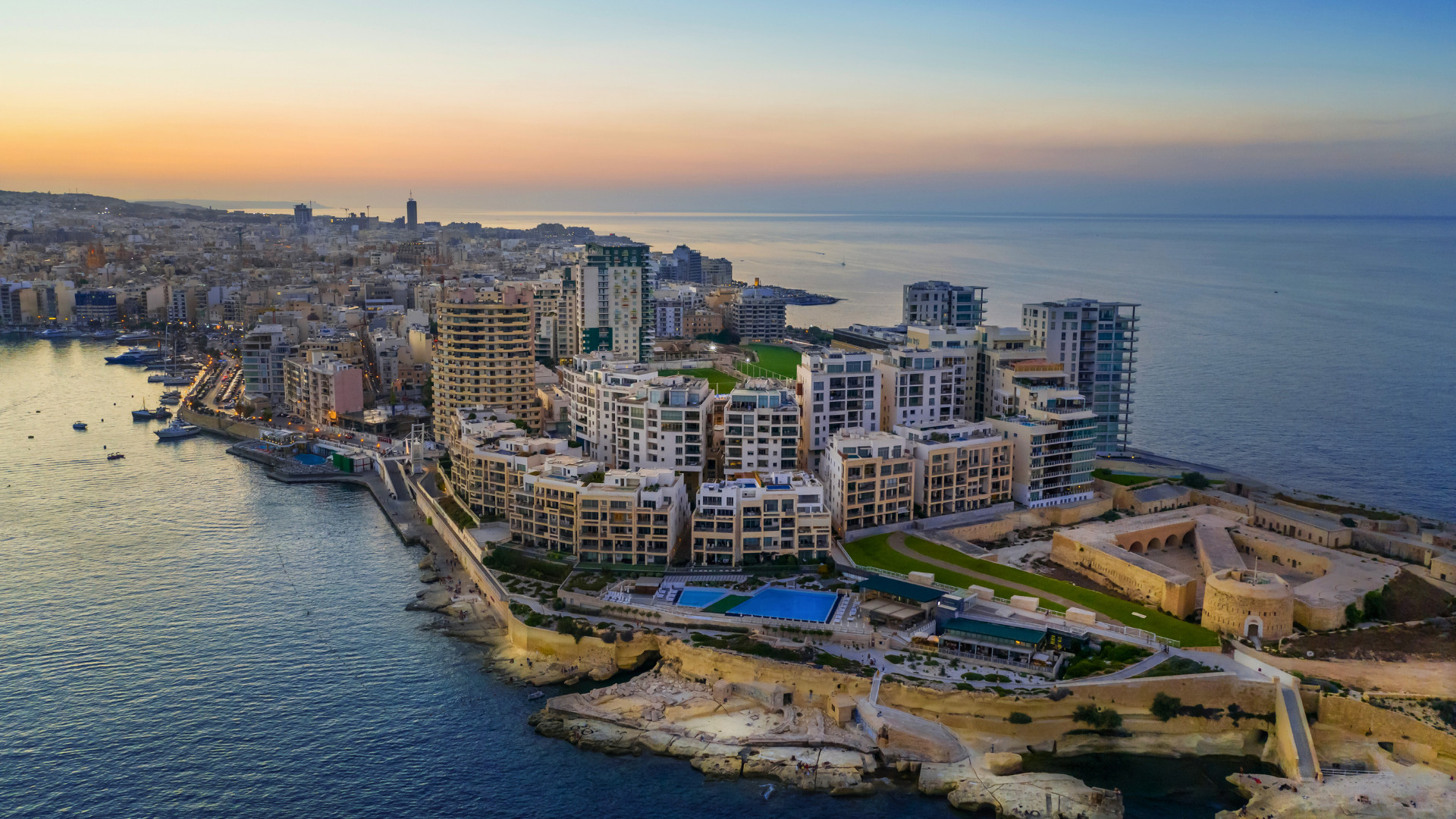
Live the lifestyle
Tigné Point: High-End Living in the Heart of Sliema Tigné Point is one of Malta’s most prestigious lifestyle developments, uniquely positioned on the Tigné Peninsula in Sliema. It redefines the concept of upmarket waterfront living, combining luxury residences, commercial excellence, and leisure facilities in a carefully planned, self-contained community. Renowned for its sophisticated design and enviable location, Tigné Point is home to a discerning international community seeking the perfect blend of convenience, culture, and exclusivity. With panoramic views across Valletta’s majestic skyline and the shimmering Mediterranean, this iconic development offers both buyers and tenants a chance to experience Malta’s most dynamic and elegant lifestyle.
Lifestyle Development
ORA Residences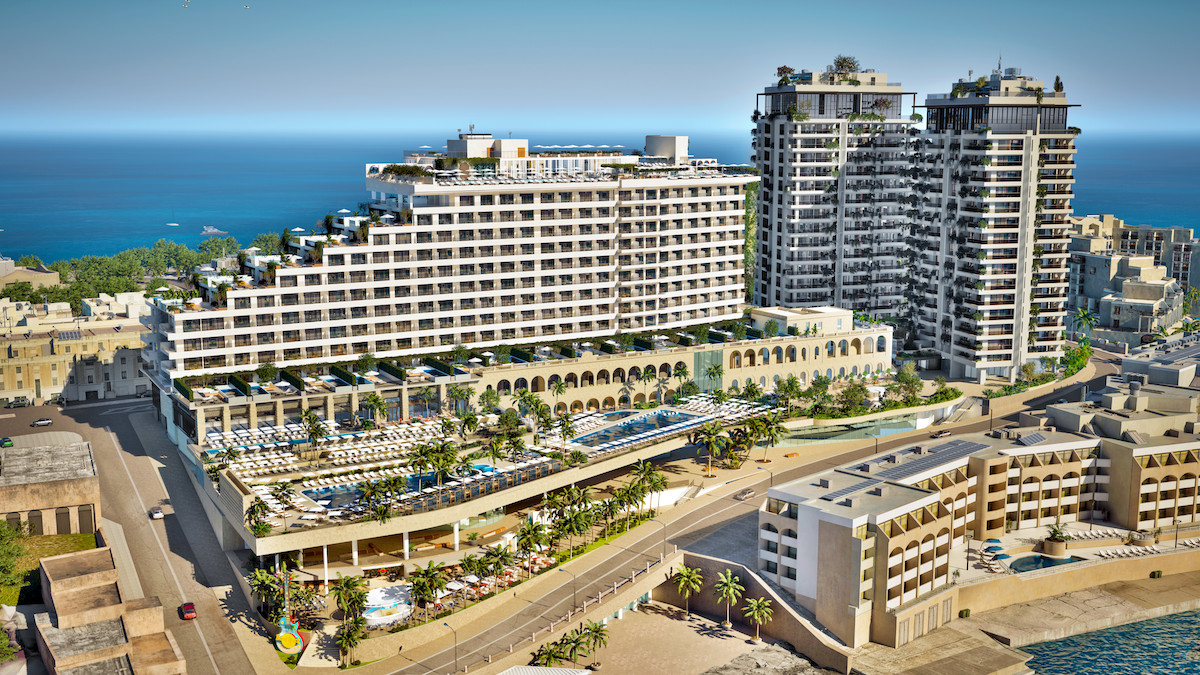
Sustainable Luxury Living in St. Julian's
Innovative Waterfront Lifestyle Development Ora Residences is a pioneering lifestyle development strategically located between St. Julian’s and Pembroke, offering residents the ultimate blend of modern luxury, environmental sustainability, and convenience. Situated just a short stroll from St. George’s Bay, a pristine Blue Flag beach, Ora combines the benefits of urban living with natural beauty, creating a unique residential experience tailored for high-net-worth individuals, executives, and discerning families. Unlike typical urban developments, Ora Residences emphasizes peace, privacy, and community, catering to residents who appreciate sophisticated, secure, and tranquil living while still being close to Malta’s business and recreational hubs.
Lifestyle Development
Mercury Towers
A New Icon of Contemporary Living in St. Julian’s
Mercury Towers is one of Malta’s most visionary lifestyle developments, designed by the late world-renowned architect Zaha Hadid. Located in the heart of St. Julian’s, this striking mixed-use development combines avant-garde design with state-of-the-art facilities, setting a new benchmark for urban living in Malta. The development is centred around the iconic twisting tower — a dramatic architectural statement and one of the tallest buildings in the country. It is flanked by a restored 19th-century heritage building that seamlessly contrasts and complements the modern design ethos.
Lifestyle Development
Pendergardens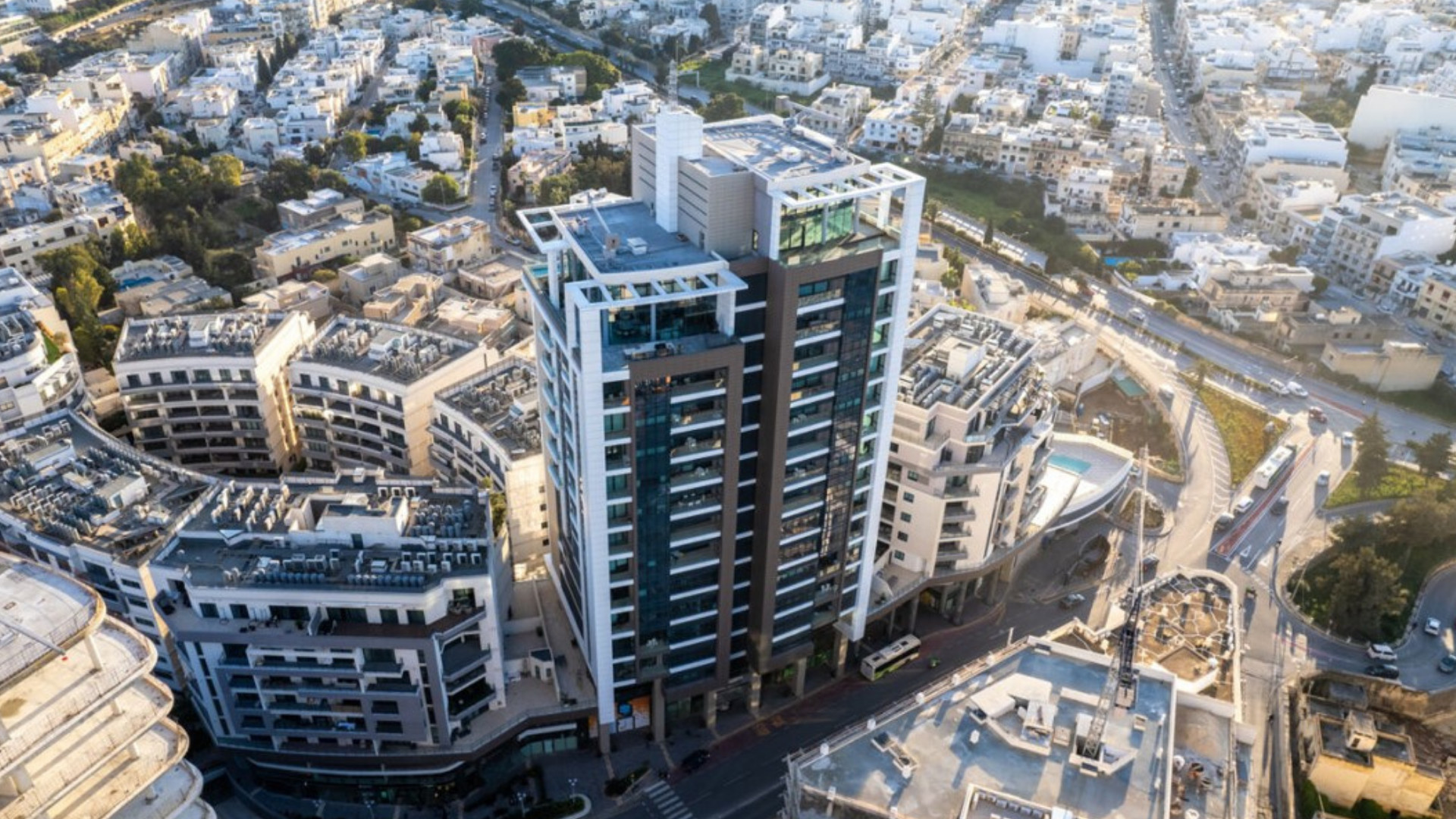
Contemporary Urban Living in St. Julian's
Pendergardens is a prestigious, self-contained residential and commercial development located in the heart of St. Julian's, Malta. Spanning approximately 18,500 square metres, this lifestyle development offers a harmonious blend of modern living spaces and convenient amenities, all within a tranquil, car-free environment.
Lifestyle Development
Verdala Terraces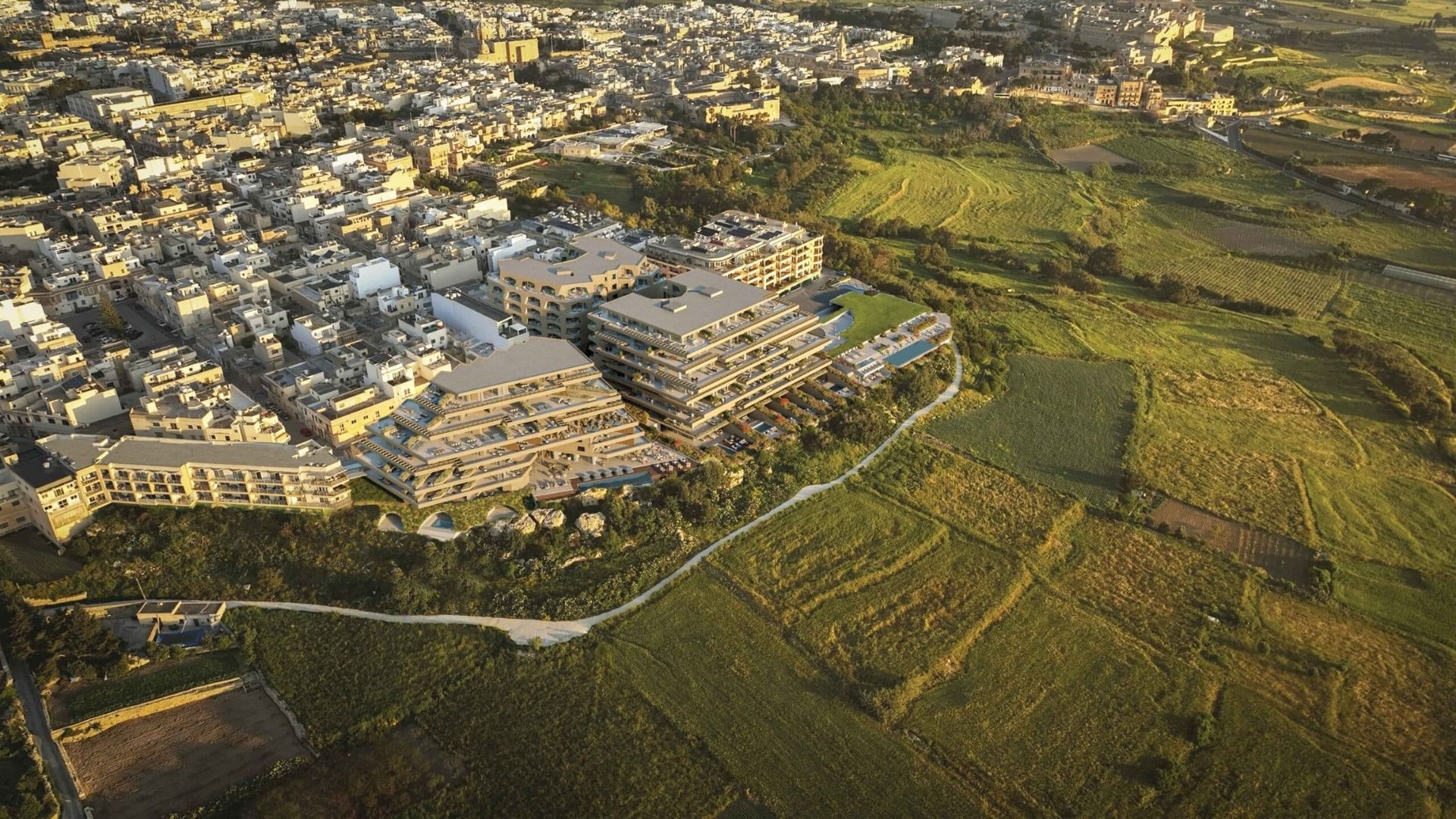
Luxury Living in the Heart of Malta's Countryside
Verdala Terraces is an exclusive residential development located in Rabat, Malta, just a stone's throw from the historic city of Mdina. This prestigious complex offers a selection of 87 luxurious residences, including 1 to 4-bedroom apartments, duplexes with private pools, penthouses, and panoramic mansions, all thoughtfully designed to provide unparalleled comfort and style.
Lifestyle Development
Shoreline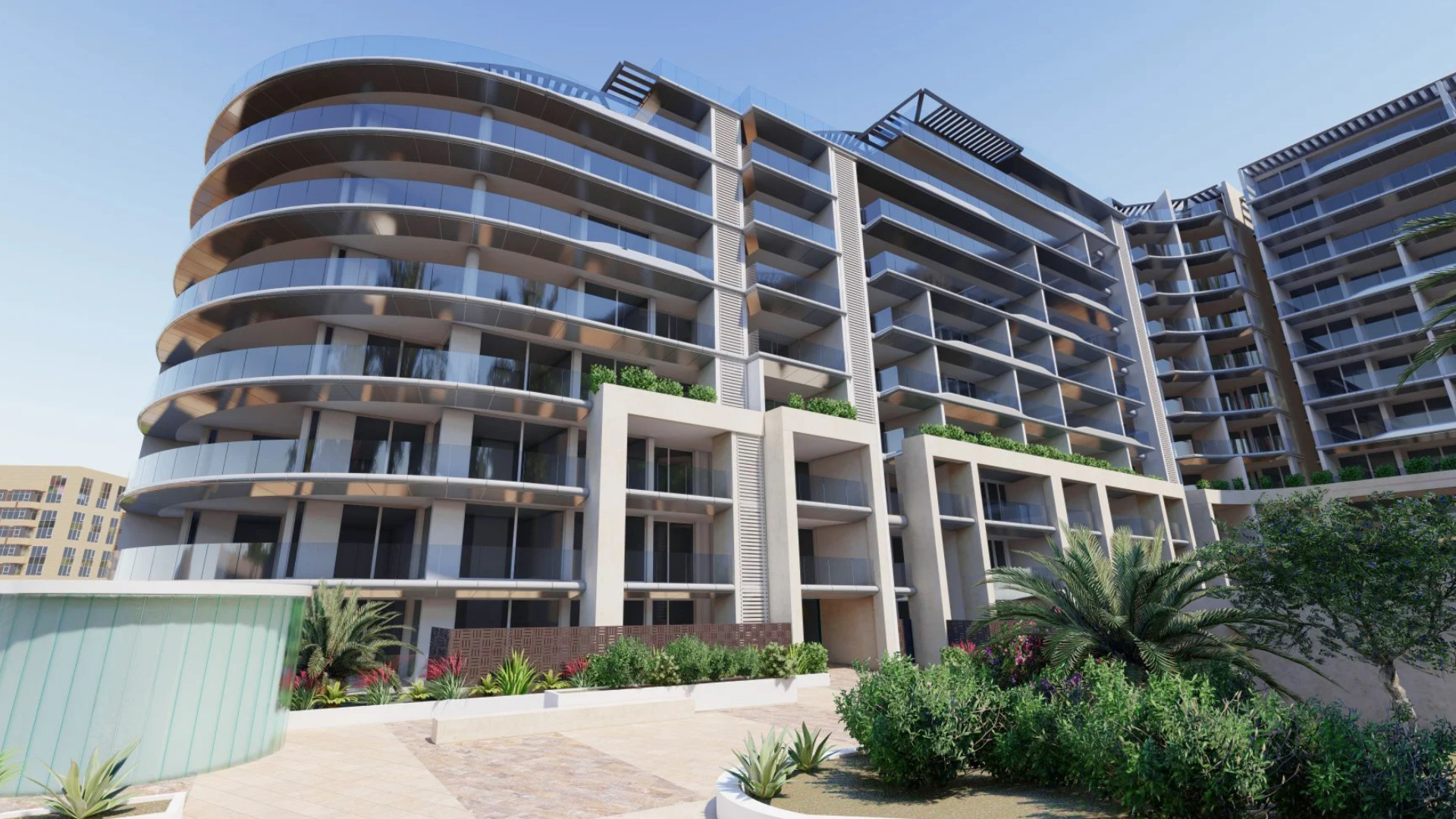
Exclusive Seafront Living in Kalkara
The Shoreline is a prestigious lifestyle development located in Smart City, Kalkara, on Malta's eastern coastline. This €200 million project combines luxury residences with upscale retail and leisure facilities, offering a high standard of modern Mediterranean living.
Lifestyle Development
Laguna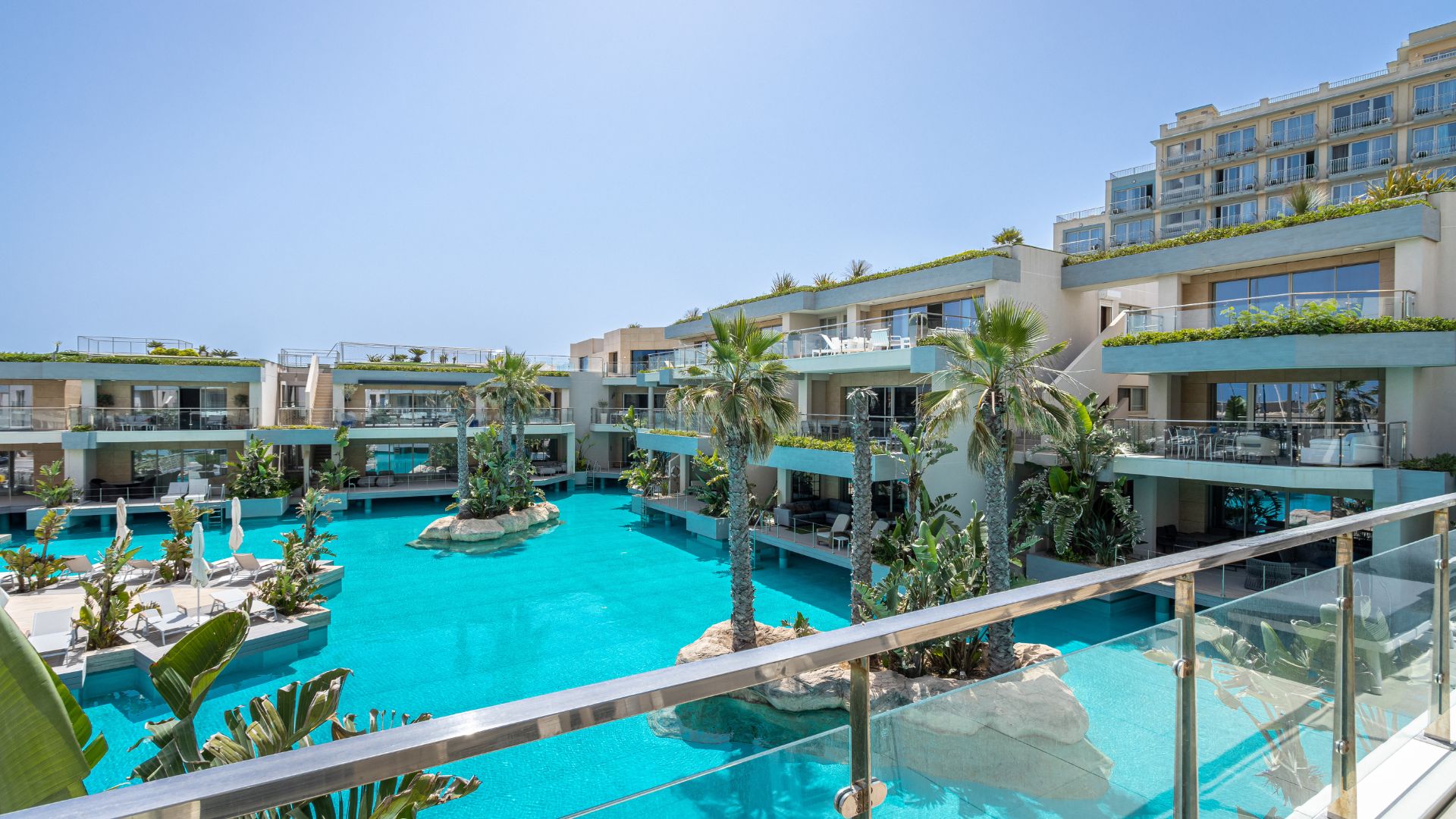
Laguna - Malta’s Most Exclusive Waterfront Residential Enclave
Laguna is an elite residential enclave situated within the prestigious Portomaso development in St. Julian’s, Malta. Designed as an extension of Malta’s most luxurious lifestyle destination, Laguna offers an unparalleled living experience centred around privacy, exclusivity, and direct access to a private, crystal-clear lagoon — the first of its kind on the island. With only a limited number of residences, Laguna caters to a highly select clientele seeking absolute comfort, tranquillity, and top-tier living standards in one of Malta’s most desirable locations.
Lifestyle Development
Trident Park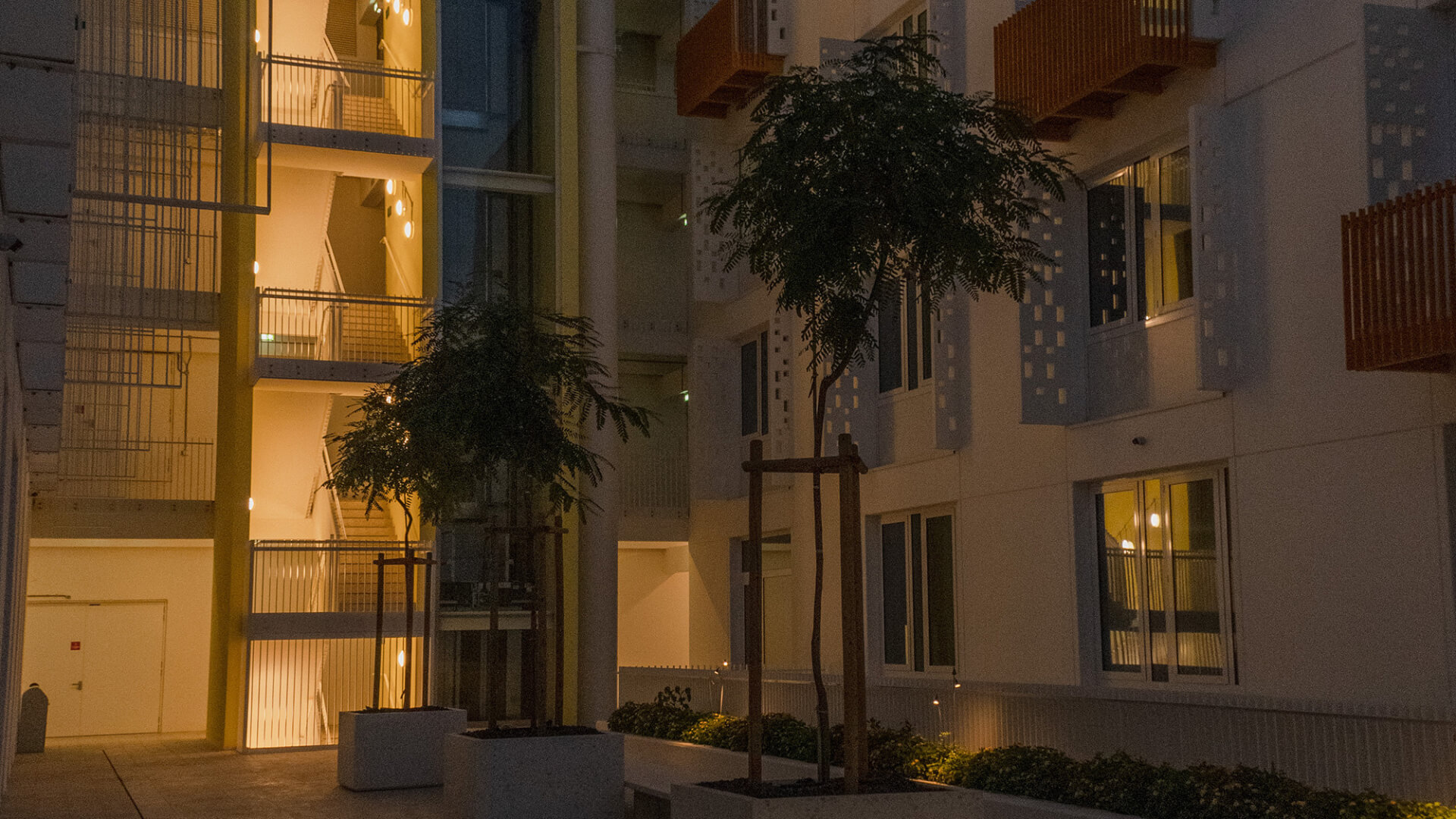
Revitalising Malta's Industrial Heritage into a Modern Office Campus
Trident Park is a major mixed-use redevelopment project located in Mrieħel, Malta’s central business district. What was once the historic Farsons Brewery site has been transformed into a cutting-edge green office campus that seamlessly blends modern architecture with the island’s industrial heritage.
Lifestyle Development
The Quad Business Towers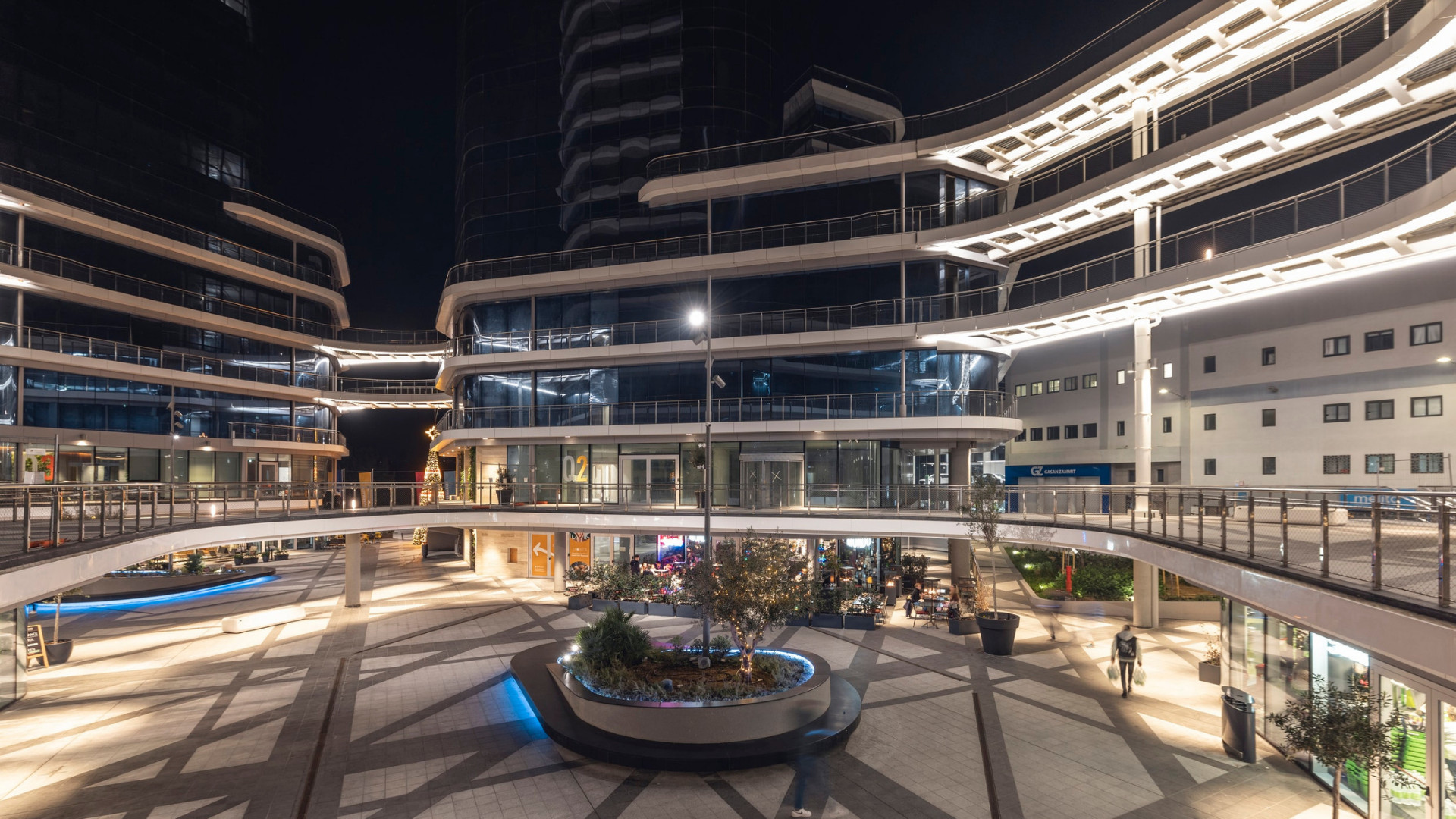
Malta’s Newest Commercial Development
The Quad Business Towers is a cutting-edge commercial development situated in the heart of the Mriehel Business District. Spanning a site area of 11,200 square meters, this impressive complex delivers over 44,000 square meters of commercial floor space, featuring a mix of Grade A office spaces and a variety of retail and amenity outlets. The Quad Business Towers is designed to provide a top-tier business environment, equipped with ample parking facilities and expansive landscaped outdoor areas and piazzas.
Lifestyle Development
St. Angelo Mansions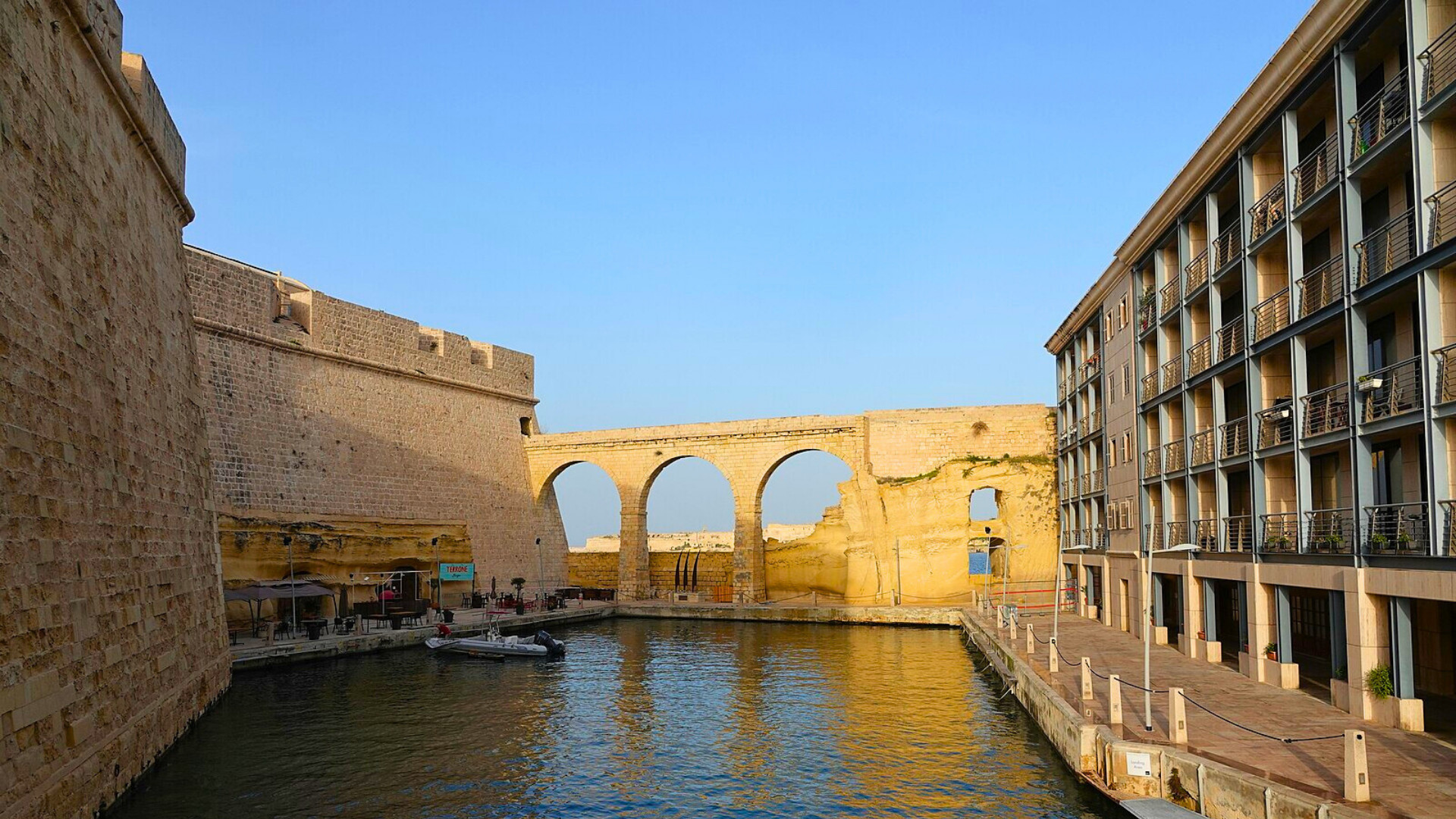
Surrounded by history
With a view to take your breath away, the waterfront in Vittoriosa is truly a marvel to be seen. Historically, this area is one of the most significant in Malta, dating back to the 1600s in the times of the Great Siege and when the Knights occupied these islands.
Lifestyle Development
Kempinski Residences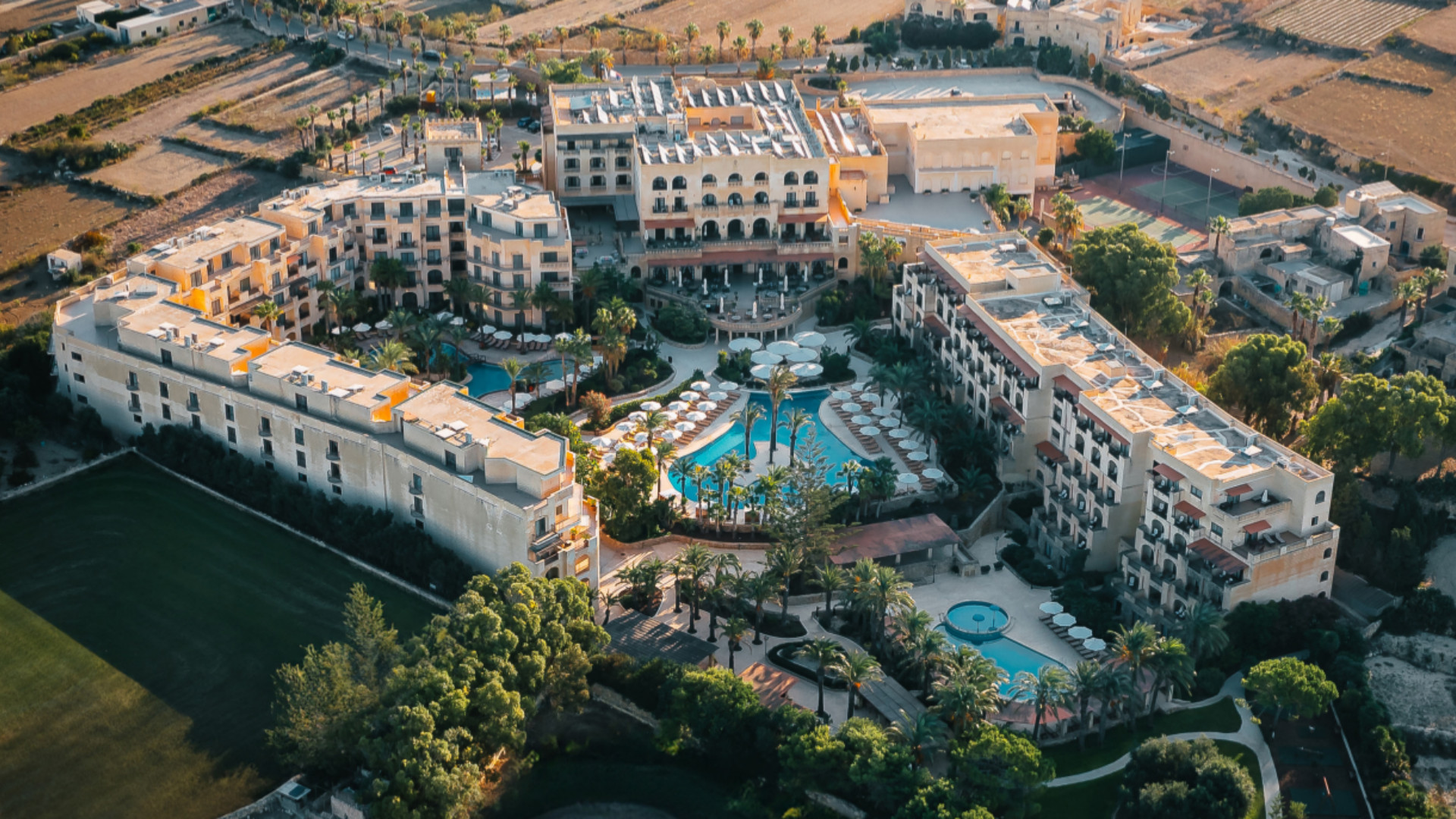
Tranquillity with a Touch of Luxury
Nestled in the serene village of San Lawrenz on the idyllic island of Gozo, the Kempinski Residences offer an exclusive lifestyle experience, combining five-star hotel services with the comfort of private ownership. This development forms part of the Kempinski Hotel San Lawrenz complex, a well-established and prestigious destination that has been a hallmark of luxury on the island for years. The residences, which are situated adjacent to the hotel, feature a selection of tastefully furnished one- to three-bedroom apartments, each enjoying generous layouts and views over lush gardens, the surrounding countryside or the elegant pool areas. Owners benefit from full access to the Kempinski Hotel’s extensive amenities, including an award-winning spa, indoor and outdoor pools, tennis courts, a fitness centre, and several fine dining options.
Lifestyle Development
Fort Chambray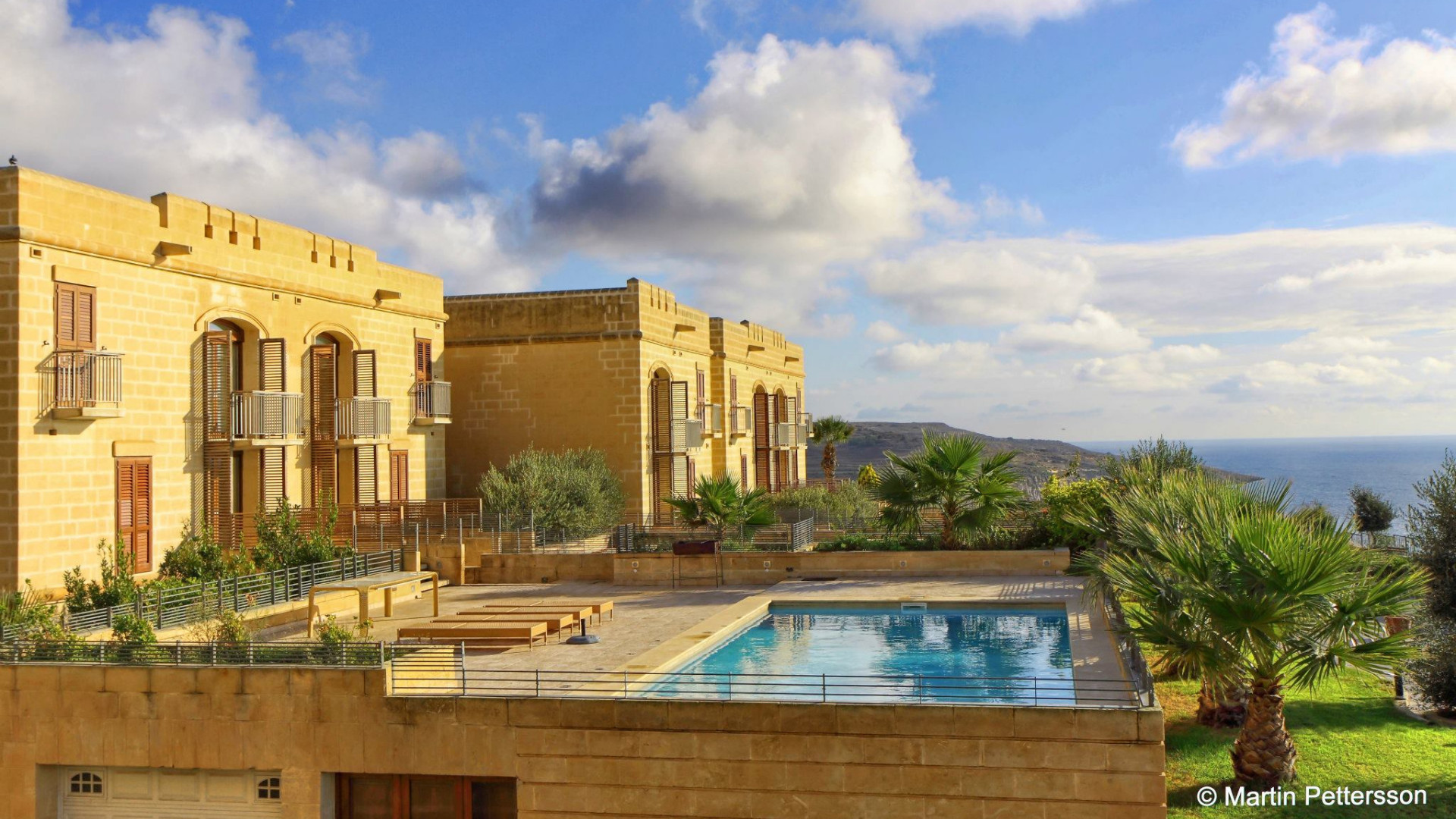
Heritage Reimagined for Luxury Living
Perched on the edge of Mgarr Harbour, Fort Chambray is one of Gozo’s most unique lifestyle developments, offering a rare blend of historical grandeur and modern comfort. Originally built in the 18th century by the Knights of St John as a military fortification, the site has undergone a sensitive and extensive redevelopment into a gated residential community that retains the charm and architecture of its original structure. The development is characterised by traditional Maltese limestone façades, wide pedestrianised streets, and communal open spaces designed to echo the layout of a historic village. Residences range from elegant apartments to maisonettes and villas, many of which enjoy stunning views of the channel between Gozo and Malta, or of the Gozo countryside.
Lifestyle Development
Ta' Monita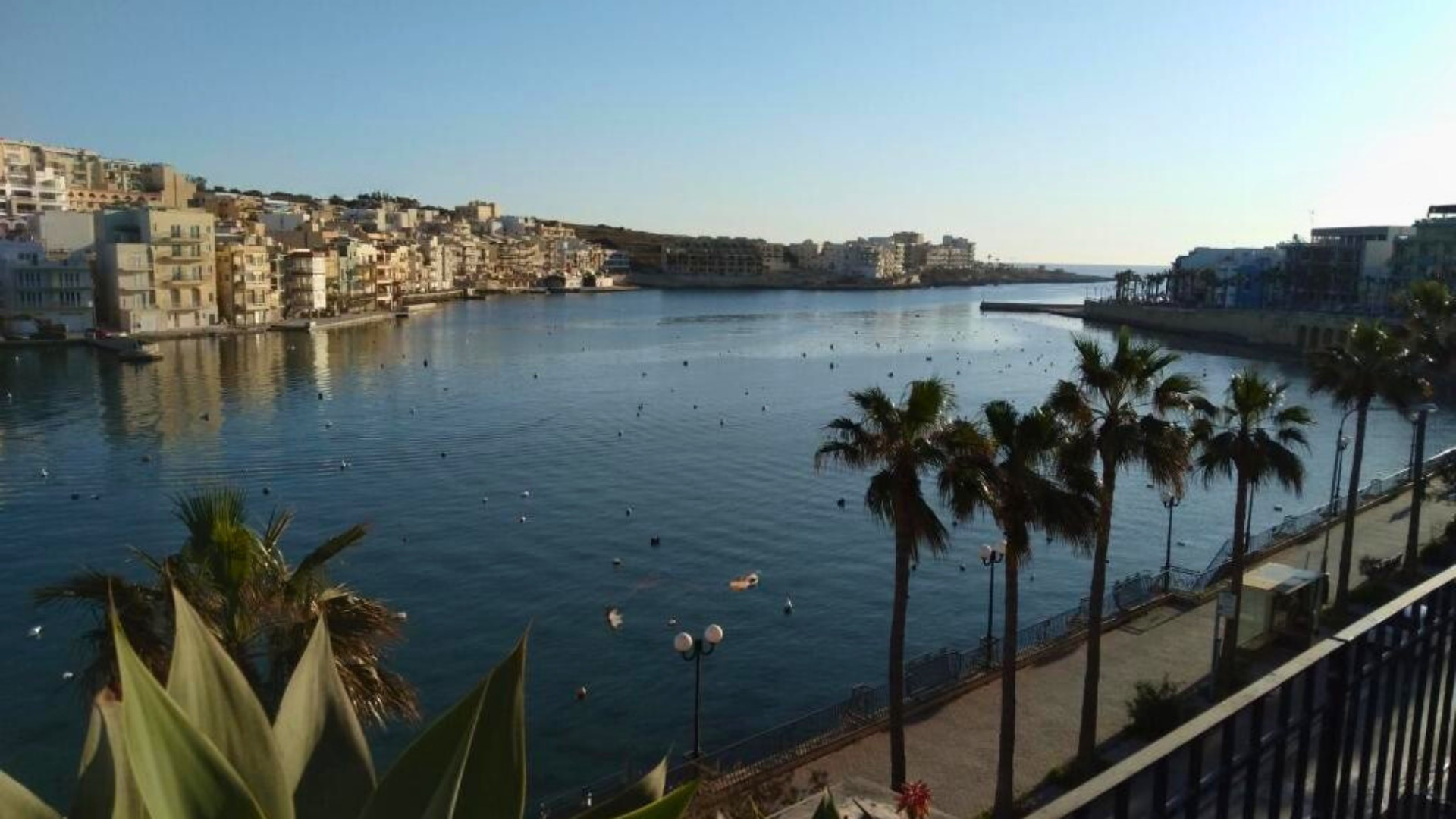
Modern Coastal Living in Marsascala
Ta' Monita Residence is a contemporary lifestyle development situated in the tranquil locality of Marsascala, along Malta's southern coast. Spanning an area of over 18,000 square metres, this project aims to set new standards for development in the southern part of the island.
Lifestyle Development
Southridge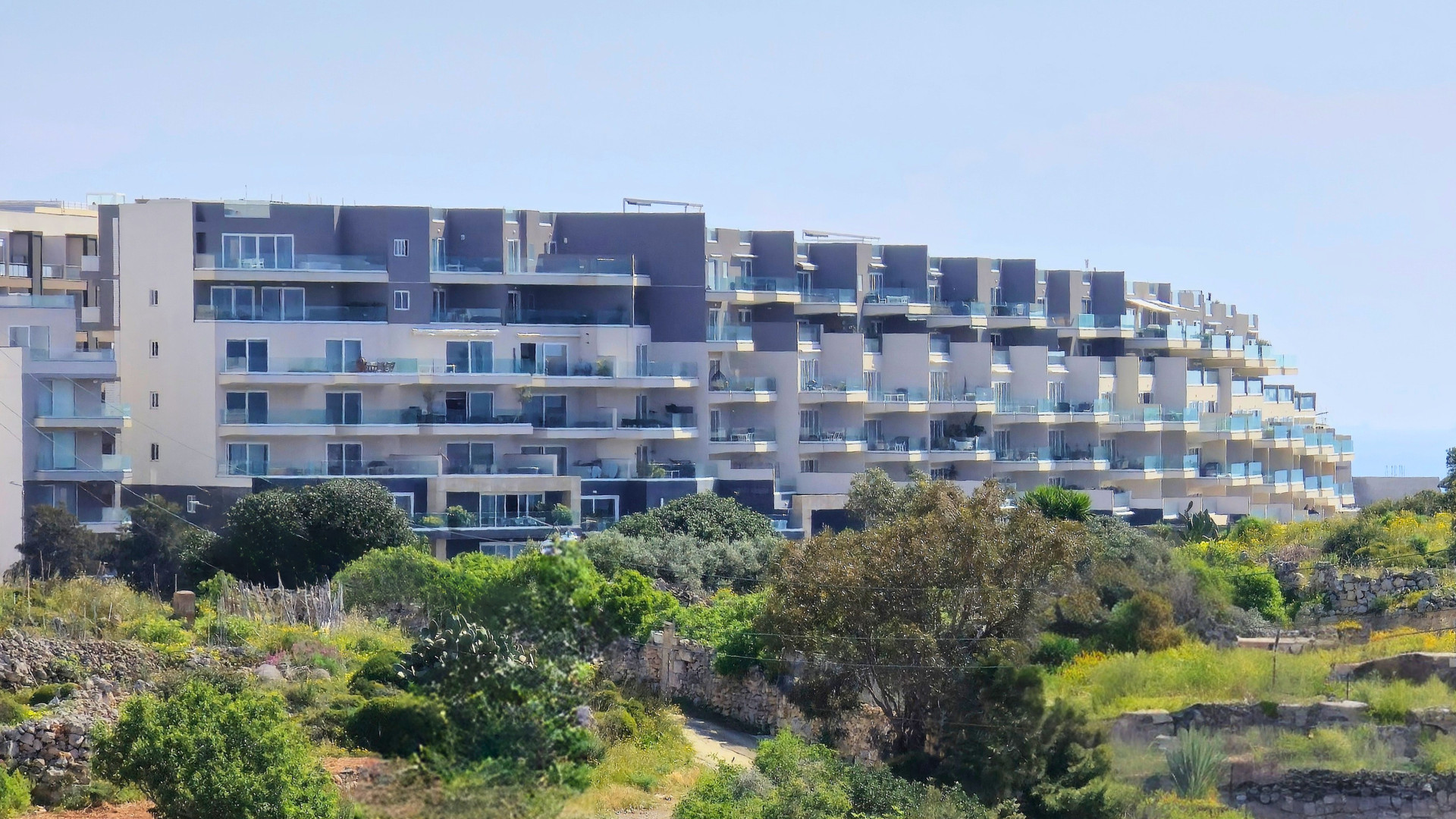
Modern Luxury Living in Mellieha
Southridge is a prestigious lifestyle development located in the serene village of Mellieha, in northern Malta. This contemporary development offers a perfect blend of luxury living and tranquil surroundings, with a selection of high-end residential units and modern amenities.
Lifestyle Development
Fort Cambridge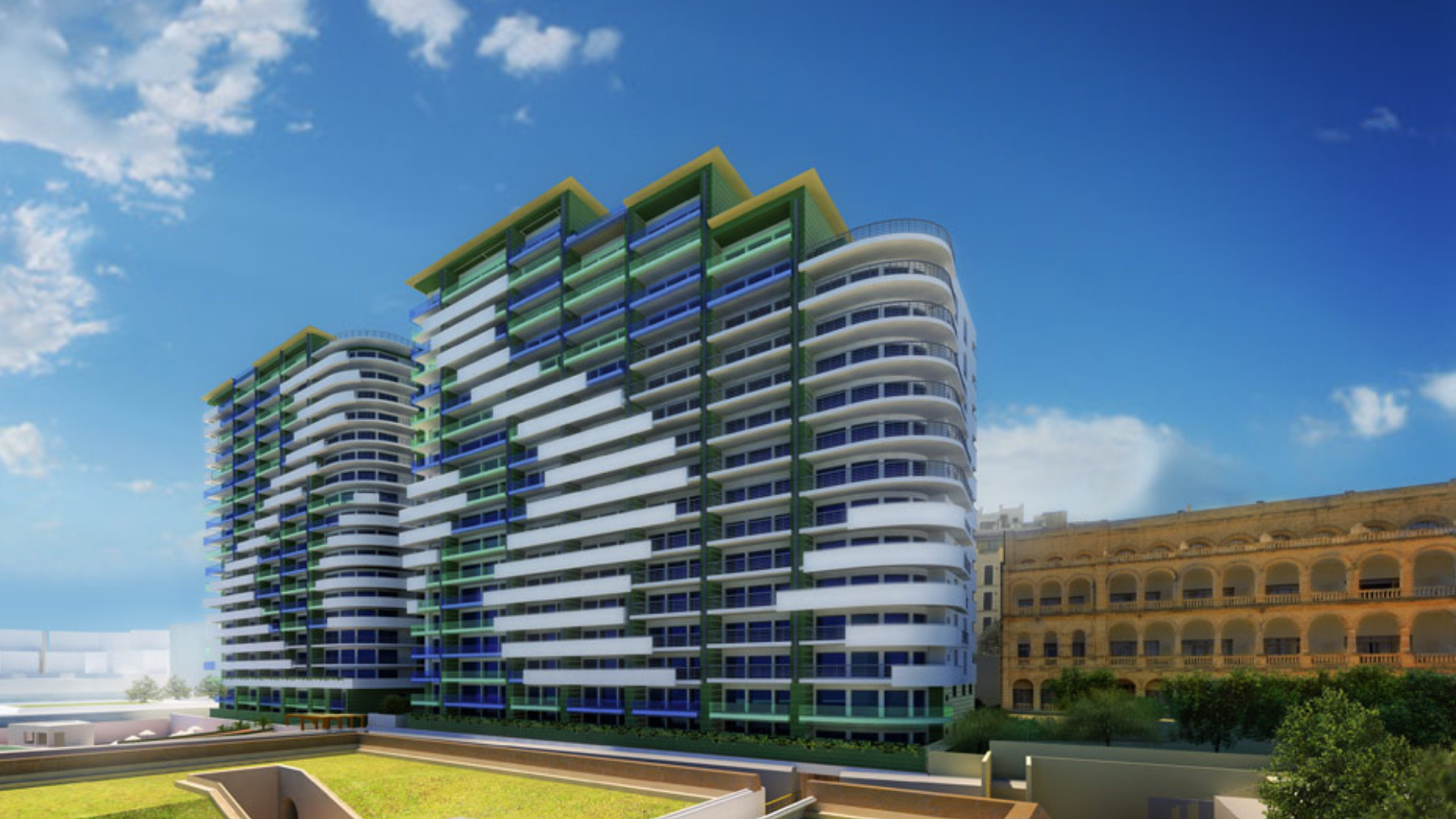
Contemporary Living Amidst Historical Charm
Situated on the Tigné Peninsula in Sliema, Fort Cambridge is a premier seafront residential complex that seamlessly blends modern architecture with historical significance. The development is named after the historic Cambridge Battery, a 19th-century British fortification whose remnants have been thoughtfully integrated into the project, preserving Malta's rich heritage. Fort Cambridge offers a selection of one to four-bedroom apartments, duplexes, and penthouses, each designed with spacious layouts and expansive terraces that provide panoramic views of the Mediterranean Sea. The residences are crafted to high standards, featuring contemporary finishes and an emphasis on comfort and luxury.
Lifestyle Development
Tas Sellum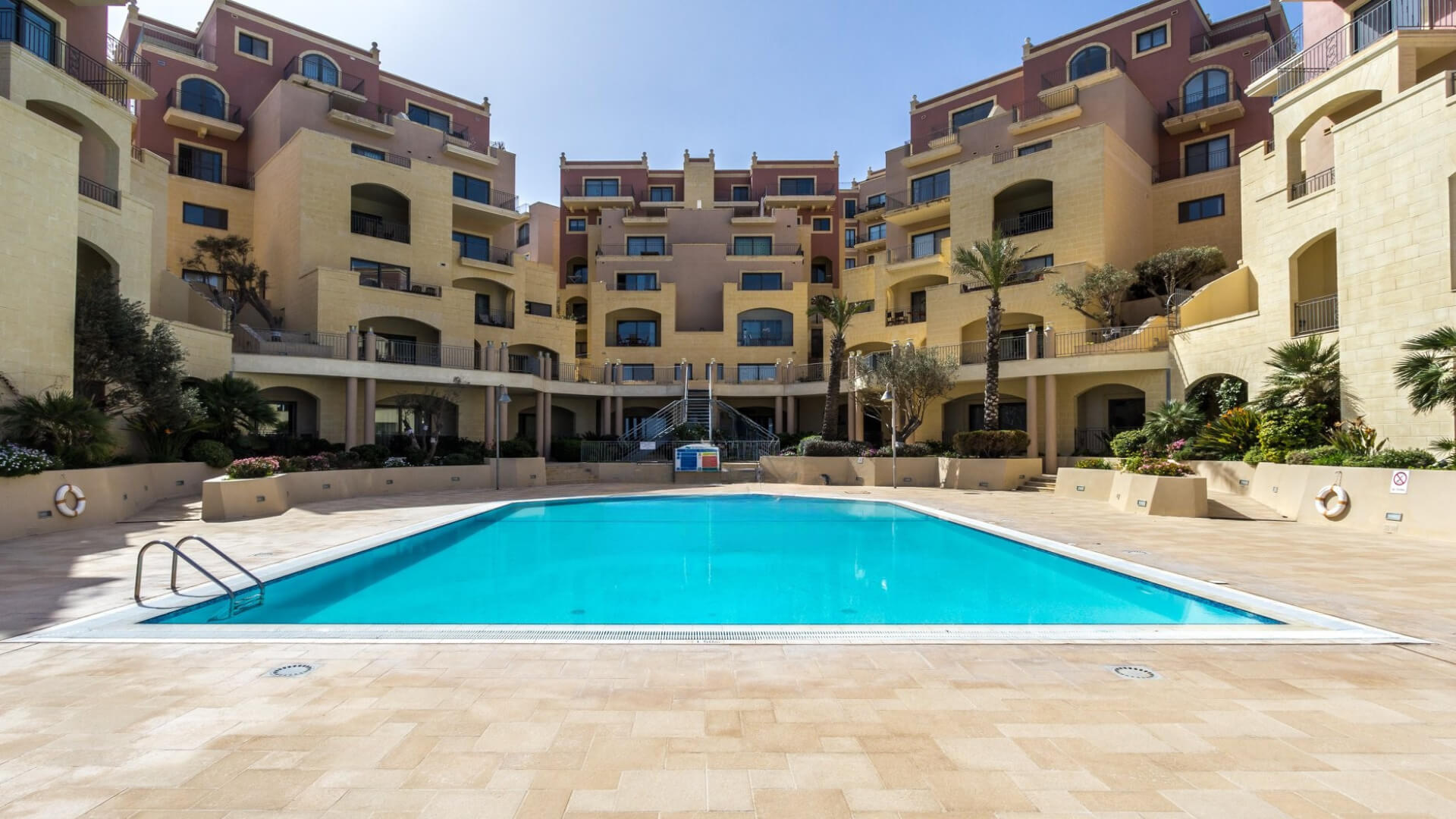
Luxury Seafront Living in Mellieħa
Tas-Sellum Residence is an exclusive seafront development located in the northern locality of Mellieħa, Malta. Developed by the Tumas Group—the same developers behind Portomaso—this architectural gem comprises clusters of luxury apartments built on a steep hillside that gracefully descends to the seashore. tumas.com
Special Designated Areas (SDAs) are a defined set of high-specification residential developments where non-EU nationals may purchase property without the need for an AIP permit and without restriction on the number of units that can be acquired. For international buyers seeking a streamlined acquisition process, or for investors building a multi-unit residential portfolio, SDAs represent a significant structural advantage. Properties within these developments are purpose-built to a high specification and typically include concierge services, security, and shared amenities. They consistently attract strong rental demand from the international business and expatriate community, supporting rental yields in a range comparable with prime residential investment markets elsewhere in Southern Europe.
Malta's current developments are listed on our Lifestyle Developments page.
Non-EU nationals who have lawfully resided in Malta for a continuous period of five years are also eligible to purchase property outside of SDAs without requiring an AIP permit, subject to meeting the applicable residency conditions.
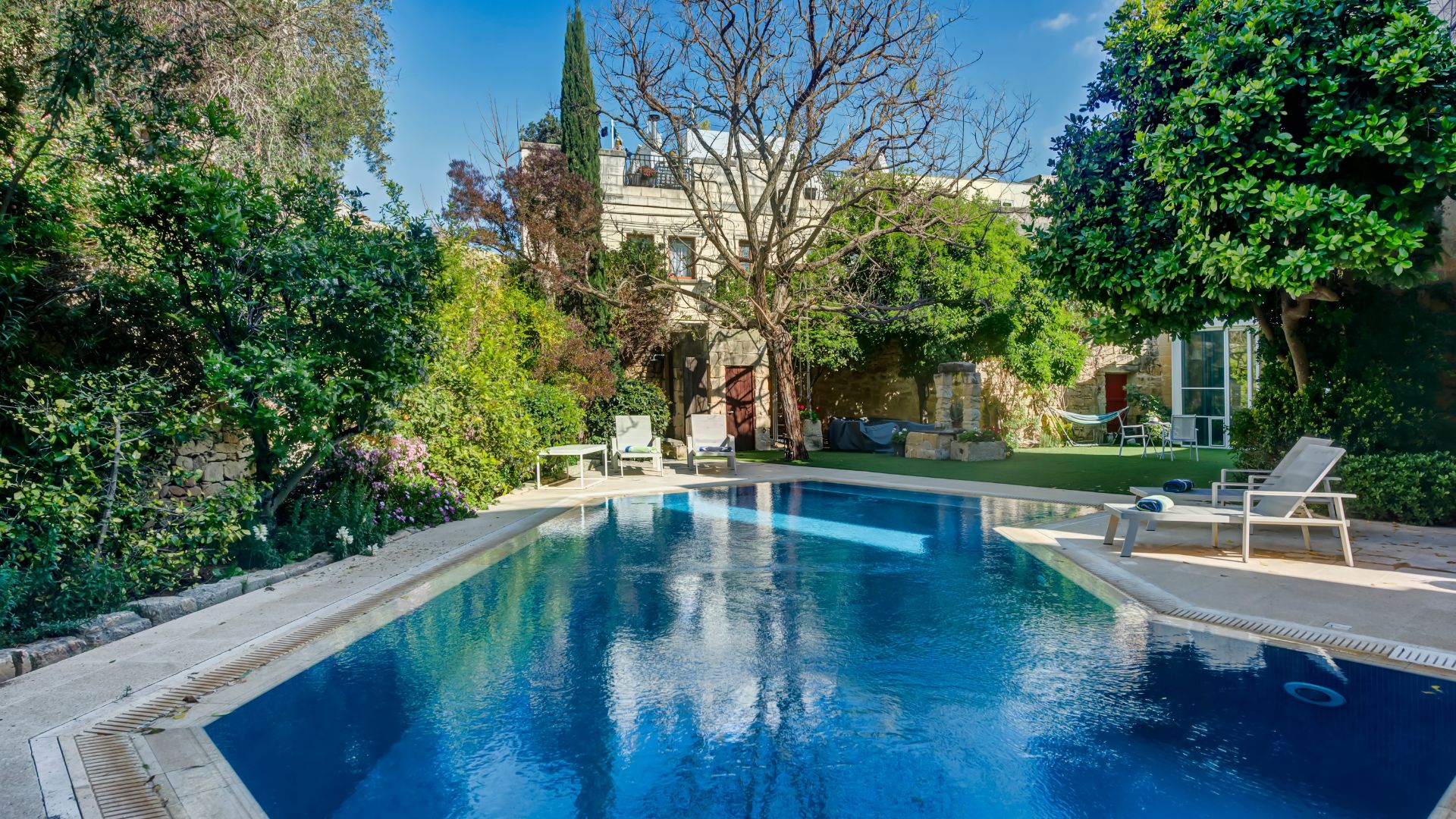
Types of Residential Property in Malta
Apartments and Penthouses
Apartments represent the most common residential property type across Malta, ranging from compact studio units in urban centres to large-format, multi-bedroom penthouses commanding panoramic harbour or sea views. The apartment market in Malta is highly varied in terms of specification, age, and location, with significant differences in quality between older stock and contemporary developments.
Penthouses occupy a distinct segment of the apartment market. In prime locations such as Sliema, St Julian's, Valletta, and the Special Designated Areas, penthouses with private terraces, pools, and unobstructed views command premium prices and represent some of the most sought-after residential assets in Malta. Demand for this type of property is sustained by both local buyers and an international clientele that values the combination of privacy, outdoor space, and accessibility that a well-positioned Maltese penthouse can offer.
Compared to equivalent properties in comparable Mediterranean cities, Maltese apartments and penthouses continue to offer meaningful value relative to Barcelona, Monaco, or the French Riviera, where prime seaview pricing substantially exceeds what the Maltese market commands at comparable specifications.
Townhouses and Terraced Houses
Malta's urban fabric has been shaped over centuries by the terraced house typology, and many of the island's residential areas are characterised by rows of two to four storey properties with shared party walls, rooftop terraces, and traditional architectural detailing. These properties vary enormously in condition and specification, from unrenovated shells requiring complete transformation to fully refurbished townhouses finished to a contemporary standard while retaining period features.
Terraced houses in established localities such as Sliema, St Julian's, Msida, Balzan, Lija, and Attard attract sustained interest from buyers seeking more space than an apartment can offer, combined with the character and individuality of an independent property. Rooftop terraces, which are a common feature of this property type, are particularly valued in the Maltese climate and context.
Villas
Villas are comparatively scarce in Malta relative to the apartment and terraced house portfolio, reflecting the island's limited land area and the density of its historic settlement patterns. Where they exist, particularly in localities such as Madliena, Tal-Ibragg Naxxar, Mellieha, St Paul's Bay, Marsascala, and across Gozo, they command a premium for the privacy and outdoor space they provide.
The villa market in Malta appeals particularly to families and to international buyers seeking a primary or secondary residence with gardens, private pools, and the kind of residential environment that the island's urban core cannot easily provide. In Gozo, properties reflect more rural character and lower density of much of the island's settlement.
Farmhouses and Character Properties
Converted farmhouses represent one of Malta's most distinctive residential property categories. These properties, known locally as "razzetts," are typically found in the more rural areas of the main island typically towns like Qrendi, Siggiewi, Zebbug and Mġarr and throughout Gozo, where a significant concentration of farmhouse properties exists in villages such as Għarb, San Lawrenz, Għasri,Sannat, and the island's more rural interior.
Genuine farmhouses offer considerable internal volume, thick limestone walls that provide natural thermal mass and insulation, interior courtyards, and the kind of spatial generosity that is rarely available in Malta's urban residential market. Well-converted examples, combining period architectural features with contemporary kitchen, bathroom, and infrastructure specifications, attract international buyers seeking a distinctively Maltese living environment unlike anything available in the standard residential market.
The due diligence required for farmhouse purchases is more intensive than for standard apartment or terraced house acquisitions. Planning history, conversion permits, structural condition, and utility connections all warrant careful professional assessment before proceeding.
Palazzos and Historic Properties
A small but significant segment of Malta's residential market consists of historic palazzo properties, typically located within Valletta, the Three Cities, and the historic hilltop towns of Mdina and Rabat, as well as some rural areas such as Wardija.
Beyond their architectural distinction, palazzo properties carry a deeper significance for buyers who value a tangible connection to Malta's layered past. Valletta's Baroque streetscapes, Mdina's medieval lanes, and the rural estates of Wardija, once the hunting grounds of the Knights of St John during the 16th to 18th centuries, each offer a different expression of that heritage. Palazzo properties, whose origins trace back to Phoenician and Roman periods, are rare finds that seldom reach the open market, sought after precisely because of their historical scarcity. Acquiring one of these properties is as much an act of stewardship as a real estate decision: a commitment to preserving, for future generations, a fabric that cannot be replicated anywhere else in the world.
Palazzo acquisitions require specialist advice on planning, listed building consents, structural surveys, and in some cases the requirements of the Superintendence of Cultural Heritage. The renovation costs and timelines involved are typically substantial, but the resulting properties are genuinely irreplaceable within the Maltese context and represent long-term assets of considerable rarity.
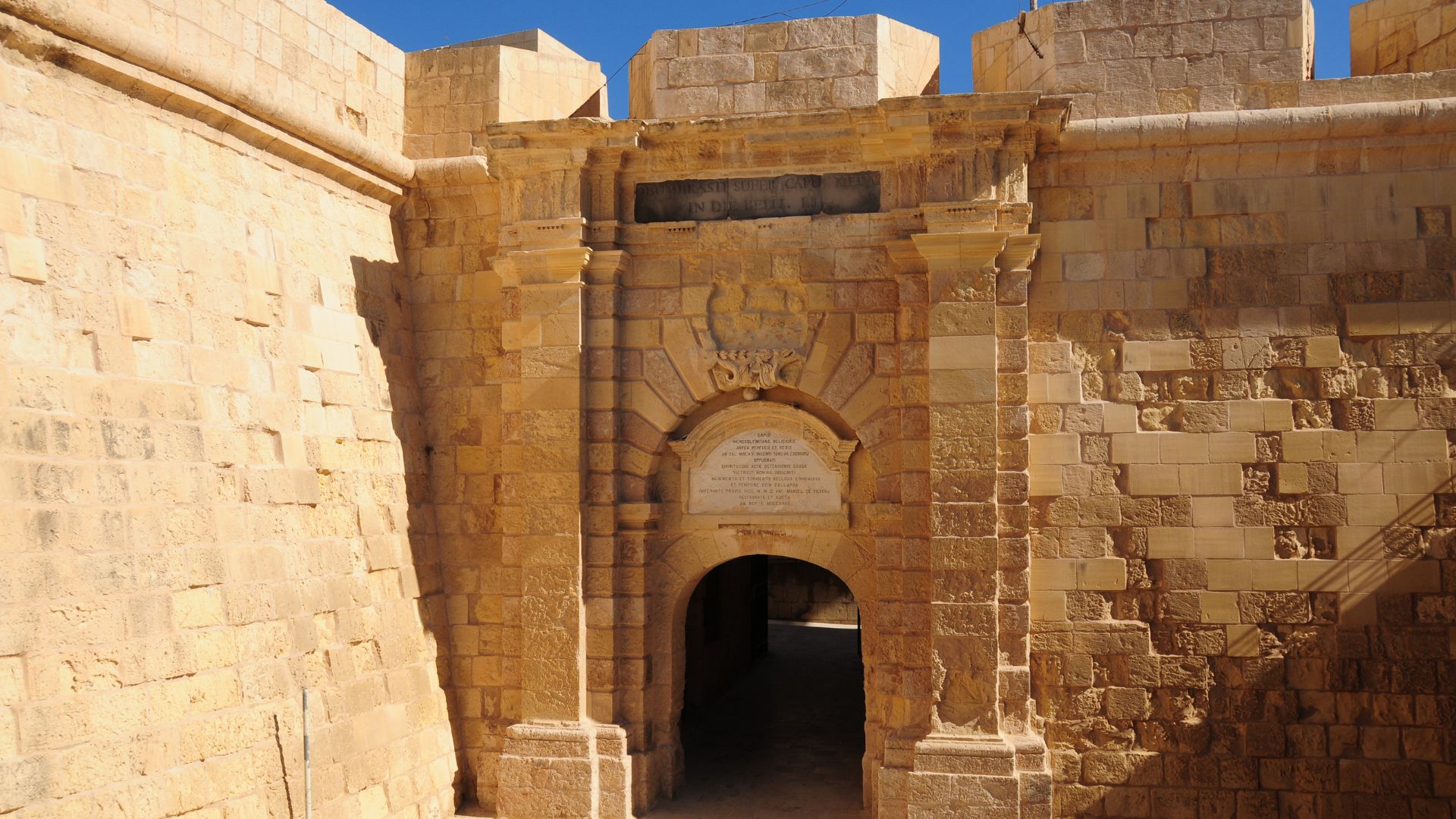
Key Locations for Residential Property in Malta
Valletta
Malta's capital is a UNESCO World Heritage Site and one of the smallest capital cities in the European Union by area. The residential market within Valletta's fortified walls is characterised by a mix of restored palazzos, converted townhouses, and a growing number of high-quality boutique apartment developments, all within a setting of exceptional architectural and historical significance.
Demand for Valletta residential property has strengthened considerably over the past decade, supported by significant public and private investment in the city's cultural and hospitality infrastructure. The capital is home to an increasing number of restaurants, galleries, and cultural institutions that have transformed it into one of the Mediterranean's most animated urban environments outside of the major European cities.
Sliema
Sliema is Malta's primary commercial and lifestyle district, with a dense concentration of retail, restaurants, hotels, and services along its seafront promenade and immediate hinterland. The residential market in Sliema spans a wide range from older apartment stock to contemporary high-specification developments, with the strongest demand concentrated in properties offering sea or harbour views.
For international buyers and investors, Sliema offers the most liquid residential market on the island, combining strong rental demand from the corporate and expatriate community with the amenity and infrastructure of an established urban centre.
St Julian's
St Julian's adjoins Sliema to the north and is home to several of Malta's international businesses, gaming companies, financial services firms, and technology operators. The presence of a large working international community generates consistent demand for well-positioned residential property, both for purchase and for rent.
Spinola Bay, Balluta Bay, and the streets immediately surrounding the Portomaso development and the St Julian's commercial core command the highest values in this part of the island. The proximity to Portomaso, which is itself a Special Designated Area, makes the broader St Julian's area particularly attractive to international buyers who may be considering a mix of SDA and non-SDA property options.
Mdina and Rabat
Mdina, the Silent City, is Malta's medieval walled hilltop capital, with a permanent residential population of only a few hundred people and a housing stock that is almost entirely composed of historic properties of outstanding architectural quality. Property within Mdina's walls is extremely rarely available and commands a price premium that reflects both its scarcity and its cultural significance.
Rabat, which adjoins Mdina's walls, offers a wider range of residential options including townhouses, character properties, and apartments, within a quiet residential setting that appeals to buyers seeking proximity to both Mdina's character and the main island's road network.
Gozo
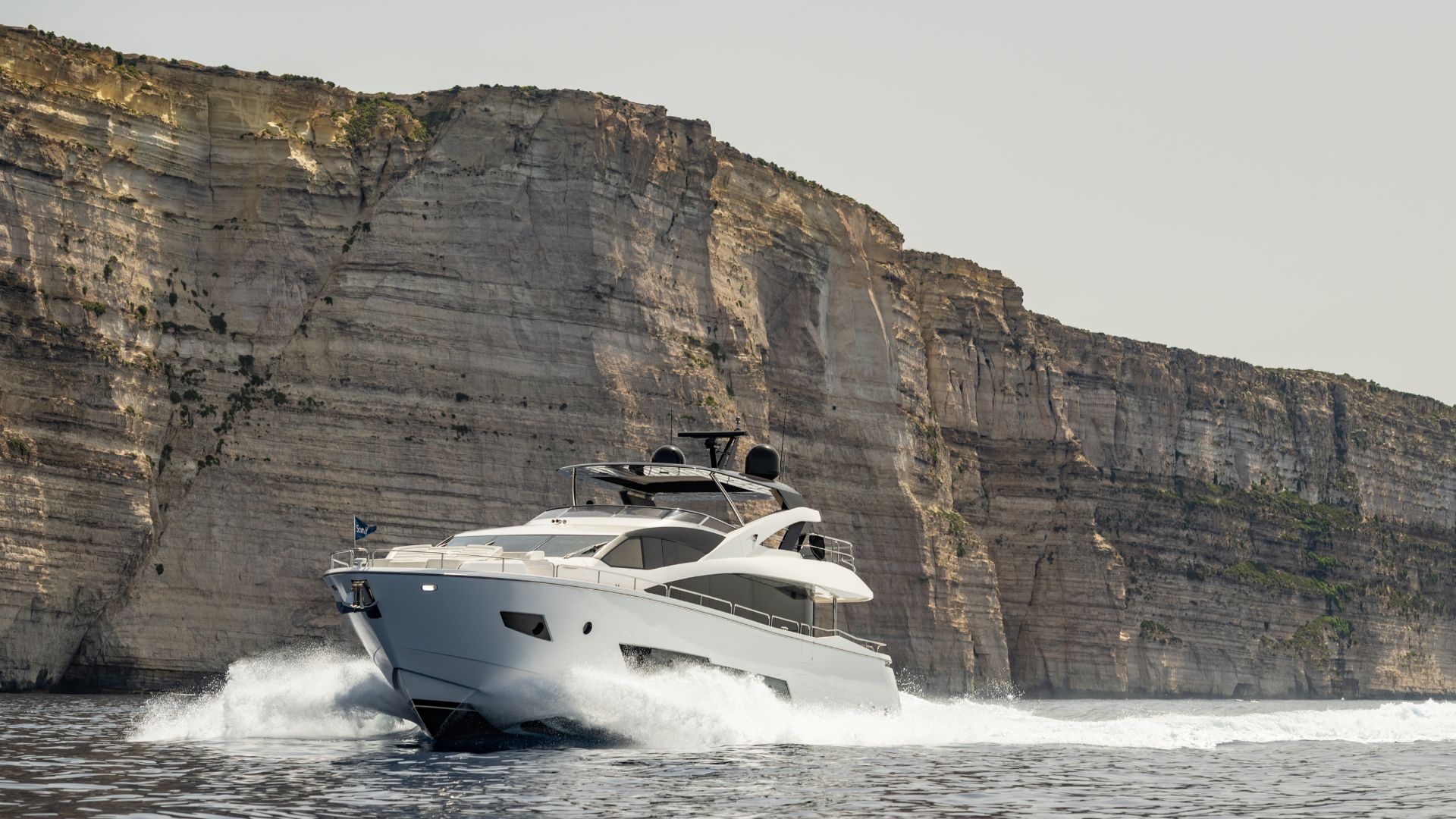
Gozo, Malta's sister island, attracts a distinct residential buyer profile: those seeking a quieter pace of life, larger properties at more accessible price points than the main island's prime areas, and a landscape characterised by valleys, cliffs, and a rural character that Malta's urban core cannot offer.
The residential market in Gozo spans everything from modern apartments in Victoria (the island's capital) and coastal villages such as Marsalforn and Xlendi to converted farmhouses and villas in the island's more rural interior, with locations including Ghasri, Għarb, Zebbug and Xagħra. Gozo has attracted a growing international residential community, supported by improved ferry connections, the expansion of remote working, and the island's established reputation as one of the Mediterranean's premier diving and outdoor destinations.
Compared to similar island destinations in the Mediterranean, such as Sardinia, Corsica, or the Greek islands, Gozo continues to offer competitive property values relative to its quality of life, accessibility, and EU membership credentials.
Northern Malta: Mellieha and St Paul's Bay
The northern areas of Malta, centred on Mellieha and St Paul's Bay, offer a different residential proposition: lower density, proximity to Malta's best sandy beaches, a strong tourism infrastructure, and a more relaxed environment than the southern commercial core. These areas attract both domestic buyers seeking holiday and retirement properties and international buyers drawn by the combination of value and lifestyle.
Mellieha in particular has attracted growing interest as a primary residence location, with a range of apartment and villa properties offering mountain and sea views at price points more accessible than the prime southern corridor.

The Buying Process in Malta
The Buying Process in Malta
The residential property purchase process in Malta follows a series of defined stages, and understanding these in advance supports a more efficient and better-managed acquisition.
The process typically begins with the signing of a Konvenju (Preliminary Agreement), a binding contract between buyer and seller that sets out the agreed price, deposit amount, conditions, and the timeframe within which the final deed of sale must be executed. A deposit of ten percent is customary at this stage. The Konvenju creates a binding obligation on both parties, and buyers should ensure that any conditions precedent, including AIP permit approval where applicable, are clearly incorporated before signing.
The final deed of sale is executed before a Notary Public, who is appointed by and acts for the buyer. The notary carries out the due diligence process, including title searches and verification of planning permits and consents, and prepares the final deed. Stamp duty, currently set at five percent of the higher of the purchase price or the market value, is payable by the buyer on execution of the final deed. A reduced rate applies to qualifying first-time buyers on properties below a defined threshold, which is subject to periodic revision by the Maltese government.
Notarial fees are regulated and typically amount to between one and two percent of the property value. Agency fees in Malta are typically borne by the seller, though the applicable arrangements vary and should be confirmed at the outset of any transaction.
Compared to the purchasing process in other European jurisdictions, Malta's system is relatively efficient when all parties are well-prepared. In France, the combined notarial and transfer cost burden on the buyer is often cited as higher than in Malta, typically running to seven to eight percent of the purchase price on older properties. In the United Kingdom, a combination of stamp duty land tax and legal fees can generate a comparable or greater cost on prime transactions. Malta's stamp duty structure, combined with a notarial system that provides a single point of due diligence responsibility, is generally regarded as transparent and manageable.
Buying vs Renting Residential Property in Malta
The decision between purchasing and renting residential property in Malta depends on time horizon, capital position, and personal or business objectives. For international buyers in particular, it carries strategic implications that extend beyond housing: it is a wealth management decision as much as a lifestyle one.
Ownership in Malta benefits from structural conditions that support long-term capital growth. Limited developable land, continued population growth driven by an international workforce, and sustained demand from buyers relocating under Malta's residency programmes have underpinned consistent property appreciation in prime locations. Annual holding costs for residential property in Malta, covering maintenance, insurance, and service charges, tend to be comparatively efficient relative to equivalent prime markets such as London, Monaco, or Geneva, making the long-term economics of ownership more favourable than in many comparable jurisdictions. Buyers with horizons of five years or more generally find that ownership delivers substantially better financial outcomes than renting over the same period, once acquisition costs have been absorbed.
An important distinction applies to rental income potential. EU citizens and buyers who have completed five continuous years of lawful residency in Malta may rent out their property freely. Non-EU nationals who purchase within a Special Designated Area face no restriction on letting. However, non-EU buyers who purchase outside an SDA under an AIP permit are generally not permitted to rent the property out under the conditions of that permit: this is a material consideration for any buyer weighing purchase as a rental investment alongside personal use.
Renting provides flexibility, which is particularly valuable during an initial period of residency when a buyer may not yet have settled on their preferred location or property type. Malta's long-term rental market is well-developed, and quality furnished and unfurnished properties are available across all principal locations. Leases are governed by the Private Residential Leases Act, which sets out clear obligations for both landlords and tenants, including minimum lease terms and notice requirements. For those with uncertain timelines or whose circumstances require international mobility, renting can be the more appropriate starting position, leaving the purchase decision open until preferences are clearer.
Lifestyle and beyond
Discover Life in Malta
For those considering Malta as a place to live, invest, or relocate, our Living in Malta page explores the island's lifestyle, connectivity, international community, and quality of life in greater depth. For practical guidance on purchasing property, taxation, residency programmes, and relocation, explore our Essential Guides to Malta.
Frequently Asked Questions
Do non-EU nationals need a permit to buy residential property in Malta?
Yes. Non-EU nationals who wish to purchase residential property outside of a Special Designated Area require an Acquisition of Immovable Property (AIP) permit from the Maltese government. The permit is applied for through a Maltese notary or legal adviser and must be obtained before the final deed of sale can be executed. Minimum property values apply and are subject to periodic revision, so buyers should confirm the current requirements with their legal adviser.
Non-EU nationals purchasing within an SDA do not require an AIP permit and face no restriction on the number of units they may acquire. Non-EU nationals who have completed five years of continuous lawful residency in Malta may also purchase outside SDAs without an AIP permit.
What are Malta's Special Designated Areas?
What stamp duty is payable on residential property in Malta?
Can I rent out a residential property I purchase in Malta?
Is Malta a good environment for residential property investment?
What is the process for buying residential property in Malta?
Contact Christie's International Real Estate Malta
Whether you are searching for a residential property for sale in Malta, seeking a home to rent, or evaluating the island as an investment destination, our residential property specialists are available to provide tailored, expert guidance across all locations and property types.
With access to on and off-market properties across Malta and Gozo, Christie's International Real Estate Malta works with local buyers, international purchasers, investors, and relocating families to identify the right property and manage the acquisition process from initial search through to completion.
Speak to our team today to discuss your residential property requirements.
Success!
Take A Look
Book Your Luxury
Property Tour Today!


