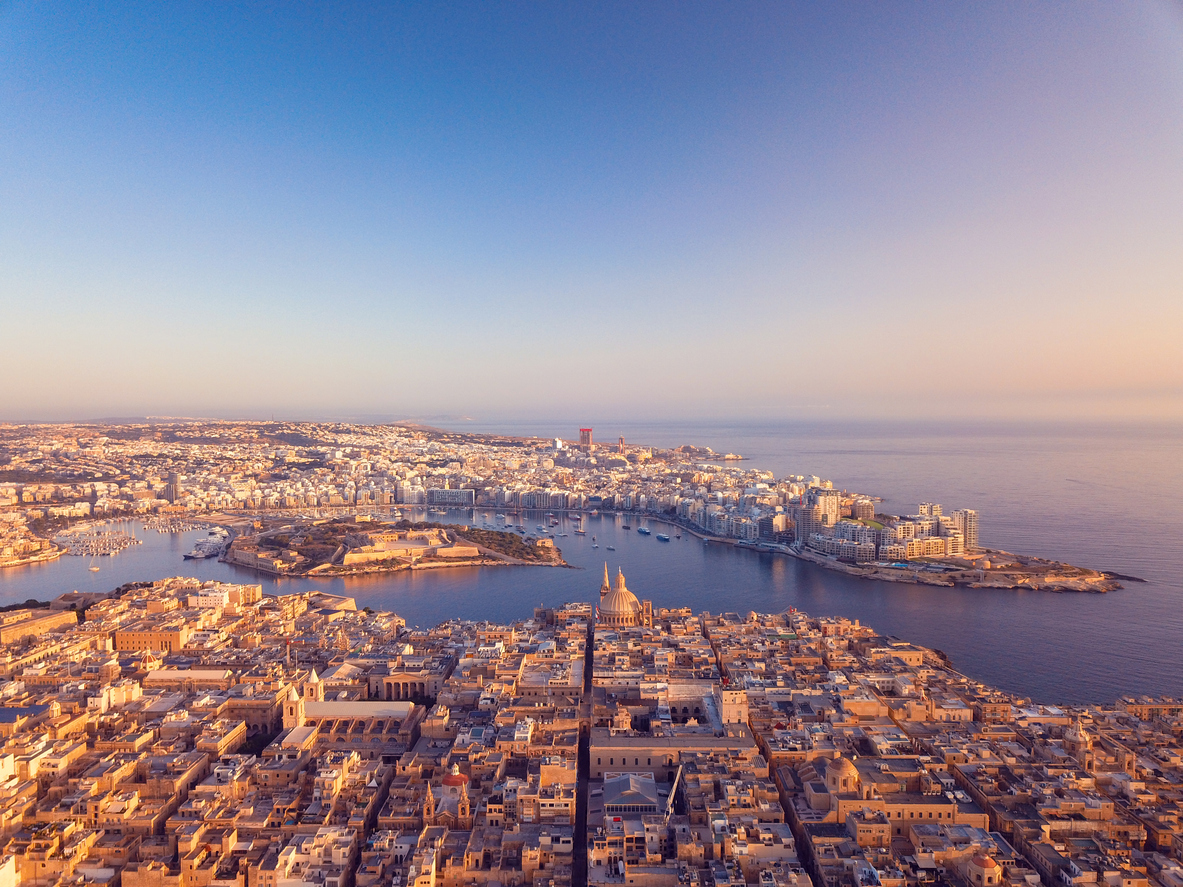
Relocating to Malta: Residency, Golden Visa & Property
A Mediterranean base defined by stability, sophistication and opportunity
Relocating to Malta is one of the most rewarding lifestyle and investment decisions available to international residents today. Malta's Permanent Residence Programme — widely known as the Malta Golden Visa — offers non-EU nationals a clear, structured pathway to EU residency through qualifying property investment, making it one of the few destinations in the world where your relocation and your property acquisition are directly connected. Whether you are moving to Malta from the UK, considering a Mediterranean base for your family, exploring residency by investment, or planning your retirement in the sun, this guide covers every dimension of making Malta your home — from the residency programmes available to you, to the property market, the lifestyle, and the practicalities of the move itself.
Relocating to Malta
Malta has become one of the most consistently chosen destinations for internationally mobile individuals and families for reasons that vary depending on where you are coming from.
Relocating to Malta from the United Kingdom
For UK nationals, Malta holds a particular appeal that goes beyond lifestyle. As one of only two EU member states where English is an official language, Malta removes the communication barriers that make settling elsewhere in Europe more challenging, while offering a common-law legal foundation, strong bilateral ties and a tax environment specifically structured to reward internationally mobile residents.
Since Brexit, UK citizens are considered third-country nationals within the EU, meaning that longer stays require a valid residence permit. Malta offers a range of clear, structured pathways: the Malta Permanent Residence Programme and Global Residence Programme for investors and lifestyle relocators, the Highly Qualified Persons scheme for professionals and the Nomad Residence Permit for remote workers earning a minimum of €2,700 per month.
Christie's International Real Estate Malta works with a trusted network of legal, immigration and tax advisers to guide UK nationals through every step, from residency application to property acquisition.
For a comprehensive guide covering visa routes, tax benefits, property rights and financial planning:
Relocating to Malta Post-Brexit: A Complete UK Expat's Guide
Relocating to Malta from the United States
For American citizens, Malta offers something increasingly rare: a stable, English-speaking base inside the European Union, with straightforward residency pathways and a quality of life that requires very little compromise.
The Malta Global Residence Programme offers a structured route to legal residency through property ownership or rental, with a flat-rate tax on foreign income that appeals to those managing international earnings. For remote workers and entrepreneurs, the Nomad Residence Permit has become a practical and increasingly popular entry point. Americans do not give up their US tax obligations upon moving abroad, which makes early financial planning, particularly around FBAR, FATCA and foreign tax credit structures, an important first conversation.
What draws American buyers to Malta, beyond the structure, is the familiarity: a legal system they can navigate, a culture that is genuinely welcoming and a proximity to the rest of Europe that makes weekends in Rome or Athens a matter of a short flight rather than an expedition.
Our network of advisers includes specialists in US-Malta cross-border tax planning. We are happy to make introductions.
Relocating to Malta from the UAE and the Gulf Region
For residents of the UAE and the broader Gulf region, Malta represents a well-considered European anchor, particularly for those who have built their international life around a zero-tax environment and are weighing what a move closer to Europe actually looks like in practice.
Malta's non-dom tax regime offers a flat-rate structure on foreign-sourced income remitted to Malta, with no taxation on capital gains arising outside the island. For those accustomed to structuring their affairs across jurisdictions, the framework is familiar in logic if different in detail. EU residency, access to Schengen travel, proximity to business networks in London, Milan and Frankfurt and the option of schooling within an English-language system are the considerations that tend to come up most in our conversations with clients.
The transition from a Gulf lifestyle to a Mediterranean one is, for most, more straightforward than anticipated. The climate is warm, the pace is considered and the sea is never far.
Relocating to Malta, other nationalities
Malta welcomes residents from across the world and the island's international community reflects that breadth. Whether you are arriving from continental Europe, South Africa, Australia, Canada or elsewhere, the residency landscape offers structured, navigable options and Christie's Malta works with advisers who are experienced across a wide range of nationalities and circumstances.
The right programme depends on your situation: whether you are employed, self-employed, retired or working remotely; whether you are moving alone, as a couple or with a family; and how you are structured financially. These are the conversations worth having at the early stage.
We are happy to connect you with the right advisers for your specific situation. No two moves are the same.
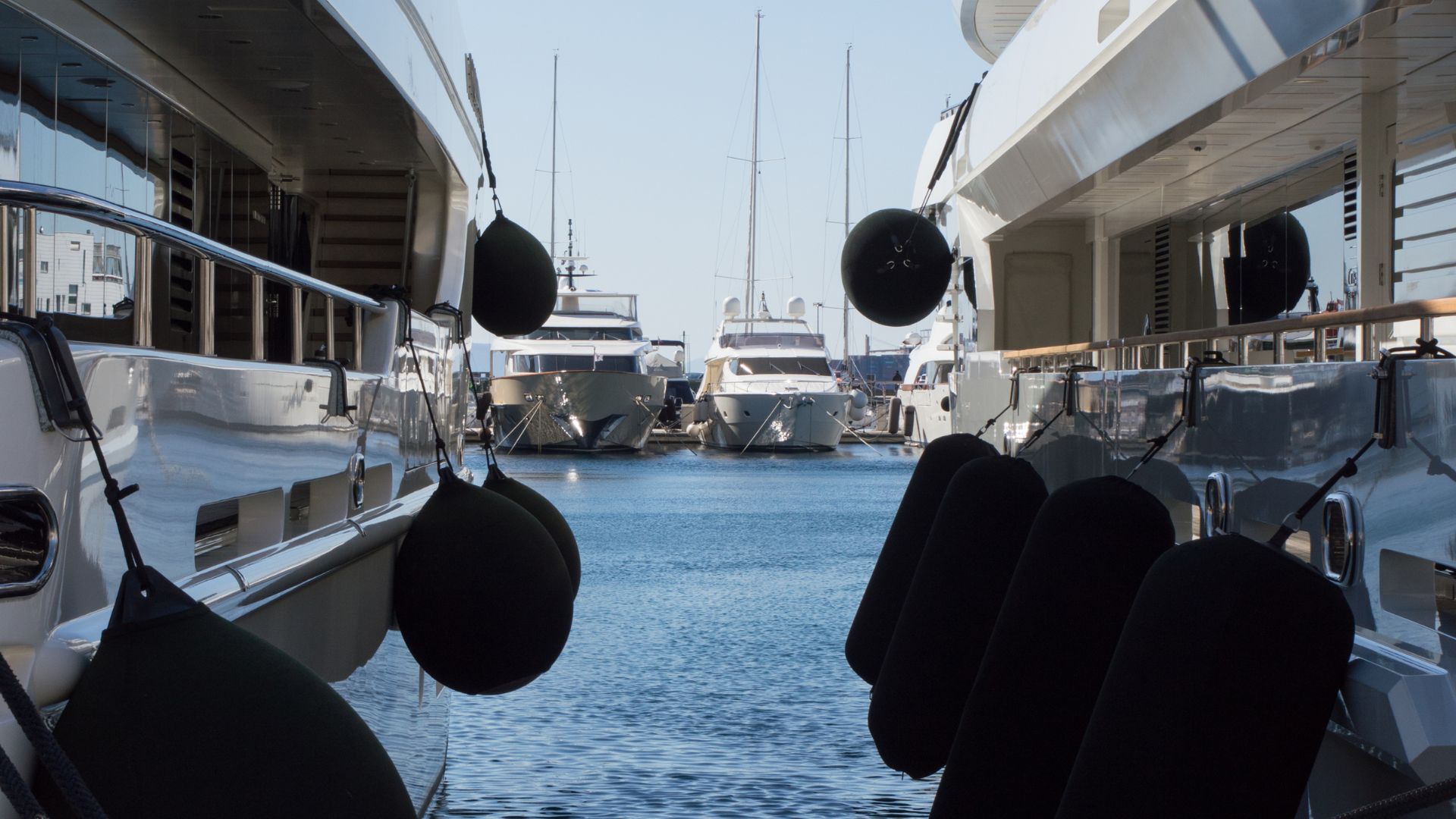
Lifestyle and Location
A Mediterranean setting of sunshine, heritage and modern comfort.
- Malta enjoys about 300 days of sunshine per year, with an average annual temperature of around 23°C - making outdoor living, sea access and cafe culture very real benefits.
- The archipelago hosts three UNESCO World Heritage Sites (Valletta, the Ħal Saflieni Hypogeum, and the Megalithic Temples) which embed deep history into every day life.
- In terms of connectivity, Malta is stratgically placed between Europe, Africa and the Middle East, with direct flights to over 100 destinations and regular ferry links to Sicily and mainland Italy.
- Safety and community: Malta is ranked among the safest European countries, offering a family-friendly, English speaking environment.
- Education: There is a strong mix of public, church and international schools (British & IB curricula), and the University of Malta ranks in the top 8% globally.
- The property market offers diversity - waterfront apartments (Sliema, St Julian's), heritage townhouses and palazzos (Valletta, Mdina, Three Cities), family villas (Madliena/Naxxar) or rural tranquillity (Mellieħa/Gozo). Typical prime values run at approximately €5,000 - €10,000 per m², with rental yields of 4-6% annually in central/seafront locations.
Economic Stability and Investment Confidence
A transparent, resilient and opportunity-rich economy
- The local economy is strong: recent data show the financial services sector alone accounted for 8.2% of Malta's Real Gross Value Added (GVA) in 2024 - a significant share in an EU context.
- Between 2022 and 2023 the sector grew by 11.8%, generating around €1,251 million in GVA in that year alone.
- The regulatory environment is robust: the Malta Financial Services Authority (MFSA) acts as the single regulator for the sector, with a clear mandate to safeguard market integrity and maintain stability within the financial sector.
Key subsectors for expats/investors:
- Asset management & investment funds (Malta hosts hundreds of licensed funds and offers EU passporting)
- Fintech & digital-assets services (Malta is positioning as a hub for bockchain, e-payments)
- Insurance, private wealth, corporate services and banking remain core pillars
- Practical implications for relocatees: if you are moving to Malta and have business interests or capital to manage, you'll find a service ecosystem tailored to international needs, transparent licensing, multilingual talent and EU-level standards.
Caveats: Though growth is strong, scrutiny is increasing (e.g. due-diligence, AML frameworks, digital-asset risk) - so due attention to compliance and governance remains important.

Residency Pathways
Structured programmes designed for diverse lifestyles
- The Malta Permanent Resident Programme (MPRP): Non-EU nationals may secure a permanent residence status via investment (starting around€150,000 plus property/rental commitments)
- The Global Residence Programme: Offers a flat 15% tax rate on foreign-sourced income (with minimum tax of €15,000 p.a.) making it attractive for foreign-income earners.
- The Malta Retirement Programme (MRP): Allows retirees to benefit from a favourable 15% tax on foreign pension income, subject to minimum tax (€7,500 plus €500 per dependent) and property/rental thresholds.
- The Nomad Residence Permit: For remote professionals receiving income from abroad.Practical Note: Ensure compliance iwth both Maltese and your home-jurisdiction tax/residency rules: obtaining professional advice early is strongly recommended.

Healthcare: Public and Private Systems in Harmony
Access to quality, choice and efficiency.
- Public Sector: Residents, EU Nationals, and those who qualify can access public hospitals and primary care: Private Sector: Offers faster access, choice of consultant/hospital, and is preferred by many for outpatient and specialist care.
- Private Sector: The Saint James Hospital Group (with locations in Sliema, Birkirkara and Zejtun to mention a few) is a high-quality private hospital network. Other hospitals include Da Vinci Health and St. Thomas Hospital.
From the relocation perspective:
- If you move to Malta, you'll likely want private health insurance if you value shorter wait times, choice of specialist and English-speaking staff (which is widely available)
- You should budget accordingly: international expats report annual premiums around €3,900 - €4,600 for two people for reasonably comprehensive cover.
- Even though the public sector is good, the high Out of Pocket (OOP) share means relying solely on public care may involve trade-offs (wait tims, choice limitations).
- For families, it is important to check availability of paediatric and specialist services in the private sector and overall capacity.
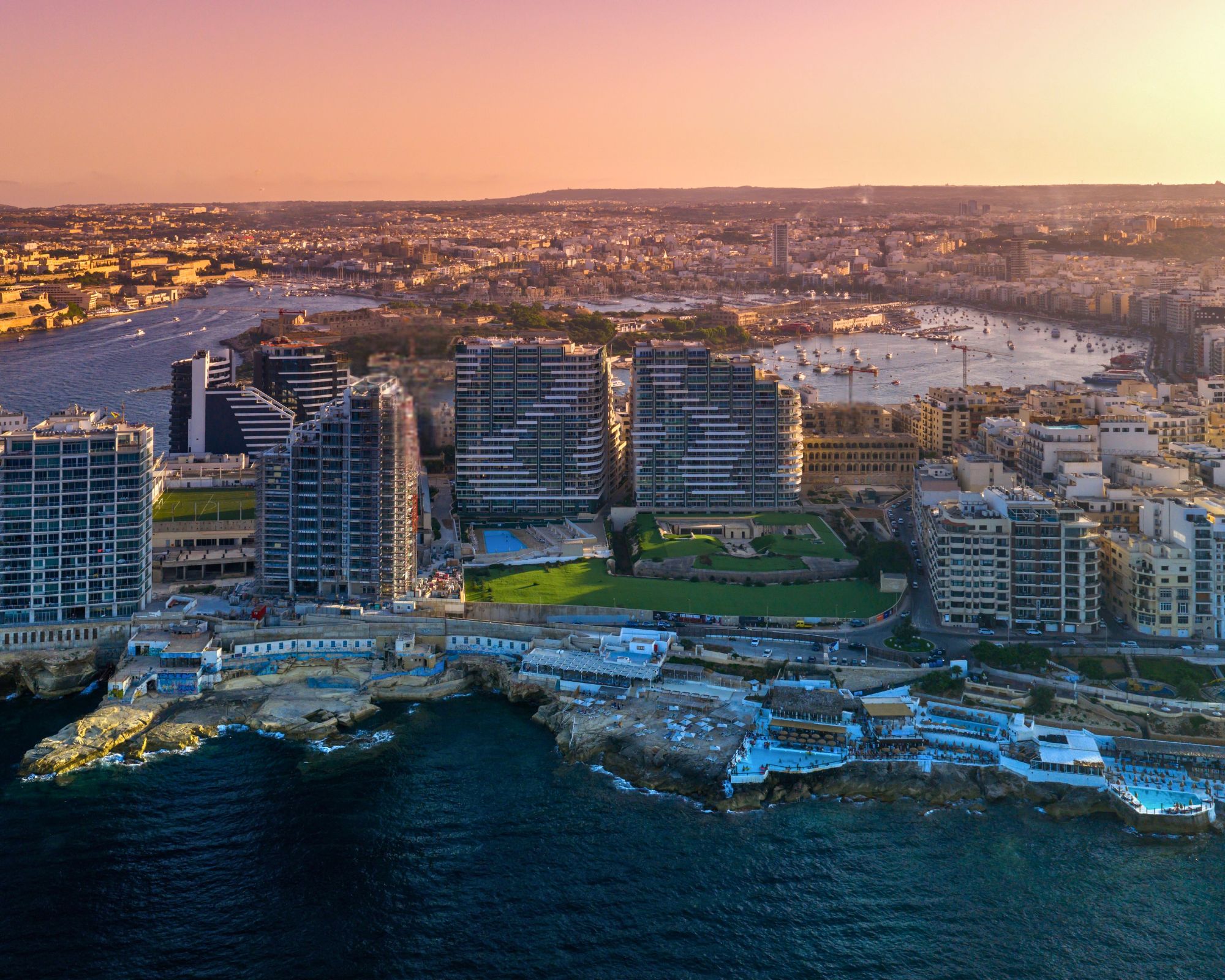
Property and Lifestyle Choices
Distinct regions for every preference
- Lifestyle Developments and Special Designated Areas (SDAs) are premium lifestyle developments in Malta that allow both EU and non-EU buyers ot purchase property with the same rights as Maltese nationals. SDAs offer fully managed communities and provide simplified property acquisition for foreign buyers without requiring an Acquisition of Immovable Property (AIP) permit.
- Urban waterfront: Sliema and St Julian's offer seafront apartment, a bustling lifestyle, nightlight - ideal for professionals and cosmopolitan families.
- Heritage core: Valletta, Mdina and the Three Cities deliver boutique living, striking architecture, and cultural depth- perfect for those seeking character-rich homes in central historic settings.
- Quiet suburban: Localities such as Madliena and Naxxar provide detached villas, gardens, and peaceful roads - suited to families wanting space without sacrificing access to key services.
- Rural / sea-view living: Mellieħa, Siġġiewi, Żebbuġ and Gozo offer slower-paced environment, scenic open spaces, and outstanding natural landscapes - ideal for those prioritising lifestyle and tranquility over short commutes.
Buying Property in Malta as a Foreign National
For EU nationals, purchasing property in Malta is straightforward and unrestricted. Non-EU nationals — including UK citizens post-Brexit — are required to obtain an Acquisition of Immovable Property (AIP) permit for most purchases, though this process is well-established and Christie's Malta guides all international buyers through it with ease.
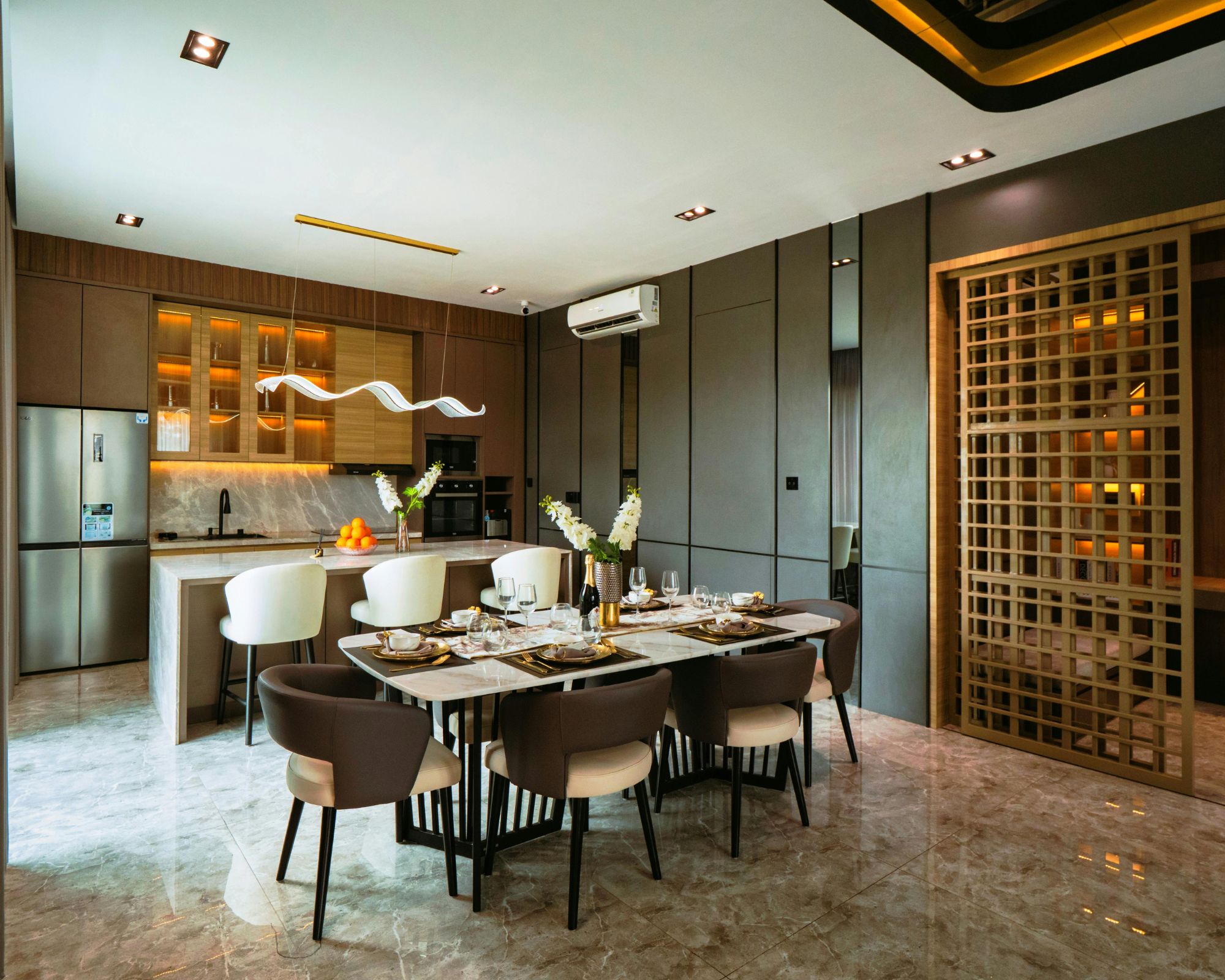
The most popular choice for international buyers is property within Malta's Special Designated Areas — premium residential developments such as Tigne Point, Portomaso, Fort Cambridge, ORA Residences and Fort Chambray in Gozo — where non-EU nationals can purchase freely without an AIP permit, own multiple properties and resell without restriction. These developments combine exceptional lifestyle credentials with strong long-term investment value, making them the natural starting point for most relocating buyers.
Malta's prime property market reflects the island's enduring appeal to international buyers. Prime residential property trades at €6,000 to €10,000 per square metre, with rental yields of 4 to 6% in central and seafront locations — figures that compare favourably with equivalent addresses in Lisbon, Barcelona or the South of France. The legal and regulatory environment follows EU standards across conveyancing, anti-money laundering and buyer protection, giving international purchasers the transparency and security of a well-regulated market. For those relocating from outside Malta, practical considerations including property management, VAT, insurance and maintenance are all factors Christie's Malta advises on as part of its full relocation service.
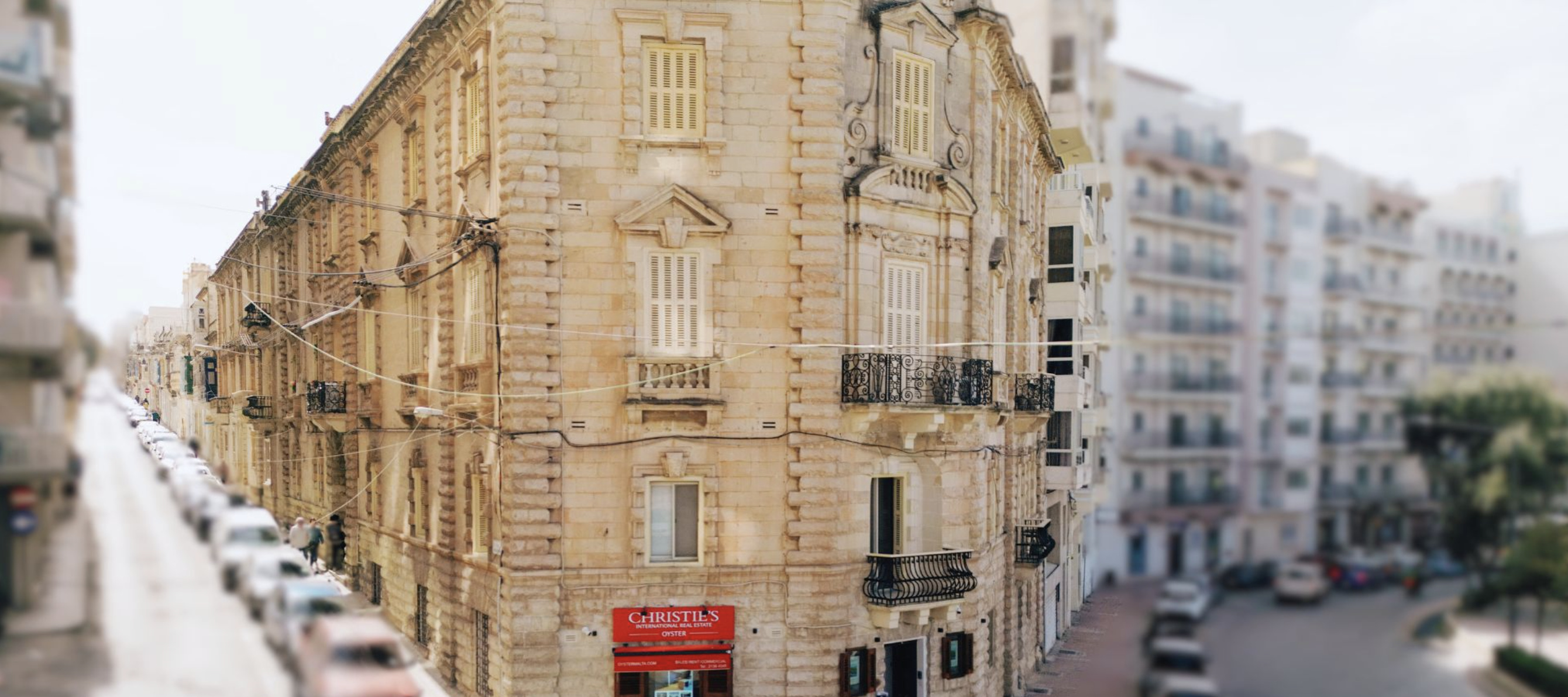
Christie's International Real Estate Malta holds an exclusive selection of properties across all of Malta's Special Designated Areas, as well as a wider portfolio of character residences, villas and apartments across the island's most desirable locations.
Complete guide to buying property in Malta as a foreign national →
Everyday Practicalities
- Banking: Opening a bank account takes 6 - 10 weeks on averages, however, improved e-ID Verification is reducing onboarding times
- Digital Infrastructure: High coverage of 5G and broadband; Malta ranks highly in digital skills adoptions (Digital Economy and Society Index 2024).
- Transport: Average communites are about 25 - 40 minutes, traffic can vary; ferries link Malta to Gozo and Sicily.
- Language: English is an official language and widely used in business, healthcare, education and government - a clear advantage for relocatees.
- Cost of Living: Cost of living for expats is generally viewed as being considerably lower than major European Cities
- Tax/Wealth Planning: While tax regimes (like the Global Residence Programme) are attractive, relocating individuals should engage specials advisors to ensure alignment with home jurisdiction tax, double tax treaties, residency criteria. Christies' International Real Estate Malta can assist with guiding you to the right experts.
Integration
The expact community is active, thriving and growing; with Malta's small size, building local networks is relatively easy. From dynamic professional neetworks and start up incubators, to cultural societies, sailing and sports club and family friendly circles, Malta offers a wide social and intellectual engagement for expatriates, which will make Malta not just like a place to live but a place to belong.
Life in Malta
What to Expect Once You Arrive
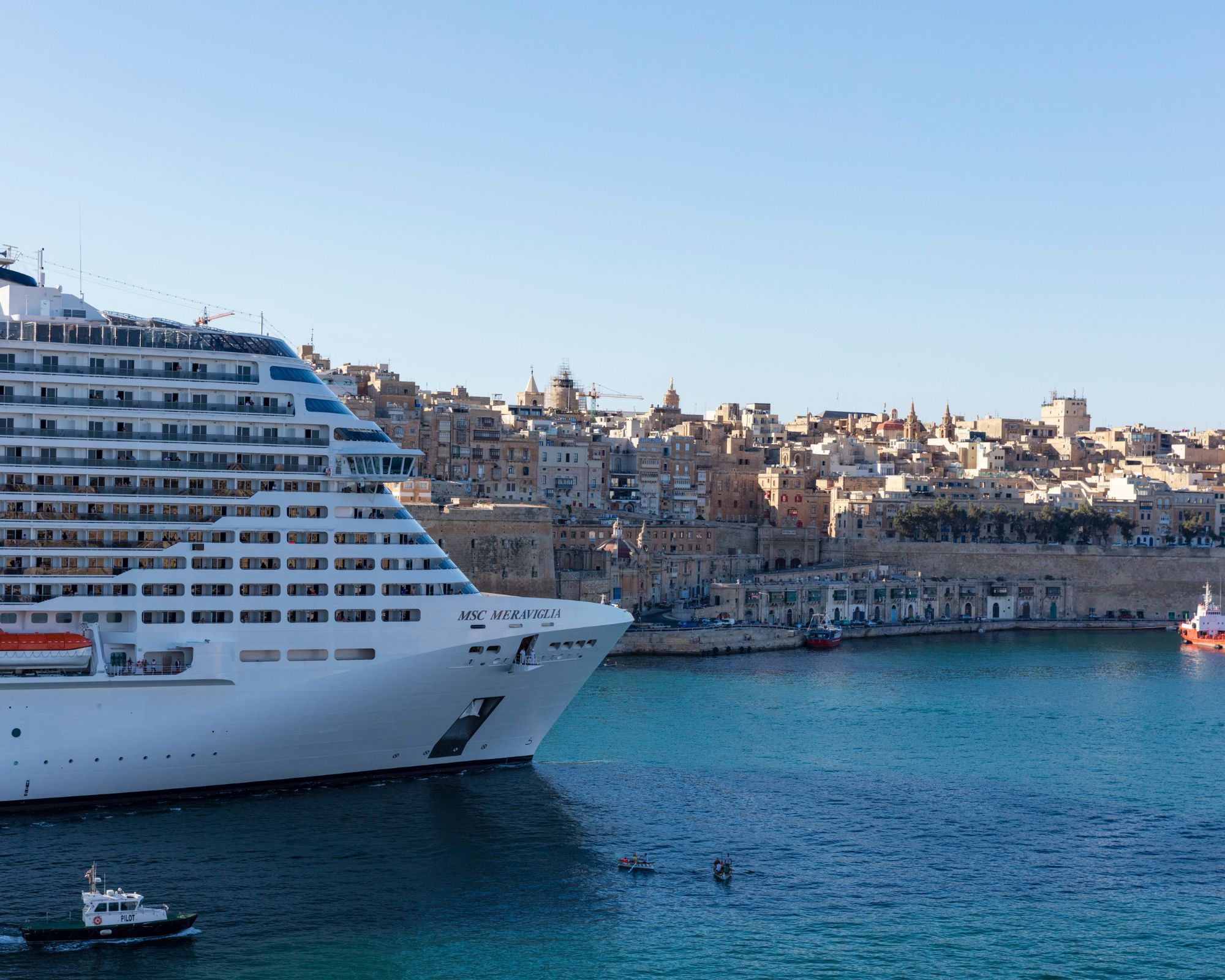
Once the decision is made and the practicalities are in place, Malta has a way of exceeding expectations. From the rhythm of daily life and the warmth of an established international community, to the island's healthcare system, schools, cultural calendar and extraordinary natural environment — life in Malta is something that is better experienced than described. Our comprehensive guide to living in Malta covers everything you need to know about day-to-day life on the island, from the best neighbourhoods and what makes each one distinct, to the practicalities of healthcare, education and getting around.
The Christie's International Real Estate Malta Advantage
Guidance with detail, delivered with discretion
For individuals, families or companies contemplating relocation, property investment or lifestyle transition to Malta, a specialist real-estate advisor such as yours offers distinct value:
• Bespoke property searches aligned to your profile (professionals, families, retirees) and investment/wealth objectives.
• Advisory aligned with relocation-tax-residency, healthcare-access and local regulations.
• Introductions to vetted legal, financial, immigration and tax-planning partners in Malta.
• Concierge-style settling-in service: assistance with schools, healthcare, local orientation, utility set-up, banking.
• Ongoing after-sales support: property management, renovation oversight, leasing and exit scenarios.
How Christie’s International Real Estate can support your move
Guidance with the detail, delivered with the discretion of Christie’s International Real Estate
• Curated property search across Malta’s most desirable locations, from coastal residences to heritage homes and premium developments.
• Tailored investment and relocation advisory, aligning your property choices with your residency goals, lifestyle preferences and long-term plans.
• Local insight, providing informed guidance on neighbourhoods, lifestyle considerations, market trends and property value performance.
• Introductions to trusted legal, tax and immigration professionals, ensuring that every aspect of your relocation is handled with clarity and confidence.
• Access to Christie’s International Real Estate global network, connecting you to specialists worldwide should you be relocating from or maintaining residences in multiple countries.
• Concierge-style settling-in support, including assistance with schooling options, healthcare navigation, lifestyle planning and essential local services.
• Ongoing support beyond the purchase, from property management introductions to guidance on renovation, leasing or future divestment strategies.
Frequently Asked Questions
Relocating to a new country naturally raises practical and personal questions. The following Frequently Asked Questions address some of the most common considerations for individuals and families exploring life in Malta, from residency and language to education, healthcare and everyday living, offering clear, concise guidance to support informed decision-making.
Can non-EU citizens live in Malta without purchasing property
Yes. Many residency programmes allow residents to rent rather than buy.
Is English widely spoken?
Can my family join me?
What is the cost of living?
Is childcare widely available?
What should relocating families know about schooling in Malta?
What Higher education options are available?
What healthcare access will I have?
How long does residence processing take?
Ready to Begin Your Malta Journey?
Whether you are exploring a new lifestyle, planning a strategic relocation or investing in a Mediterranean base, our team at Christie’s International Real Estate Malta is here to guide you.
Connect with us
At Christie’s International Real Estate Malta, we specialise in guiding foreign buyers through every stage of this journey — from property search and due diligence to legal guidance and long-term strategy. Whether you're dreaming of a hillside terrace, a marina-side penthouse, or a smart investment in Malta’s next great district, we are here to help you make a confident move.
Success!
Take A Look
Book Your Luxury
Property Tour Today!


