Market News
18 November 2025
Relocating to Malta Post-Brexit: A UK Expat’s Guide for 2025
1 min read

For many UK nationals, relocation has evolved from a lifestyle aspiration into a strategic choice centred on financial stability, lifestyle enhancement and long-term global mobility. Rising taxation, increasing property prices and the desire for greater personal and financial freedom — combined with the realities of post-Brexit travel and residency restrictions — are encouraging more people to look beyond the UK for secure, future-proof living options.
For UK expats living in Malta post-Brexit, the island offers something rare: the comfort of familiarity, the efficiency of EU regulatory alignment and the beauty of a Mediterranean lifestyle. Malta blends British legal and cultural influences with warm year-round weather, excellent connectivity and a refined yet relaxed way of life.
Malta’s remittance-based tax system, double-tax treaties (including with the UK) and common-law foundation create a stable, transparent environment. Combined with high-quality property for sale in Malta, apartments, townhouses, bungalows, houses of character and luxury villas, and well-structured residency pathways, Malta presents a uniquely compelling offering for anyone moving to Malta from the UK in 2025 and beyond.
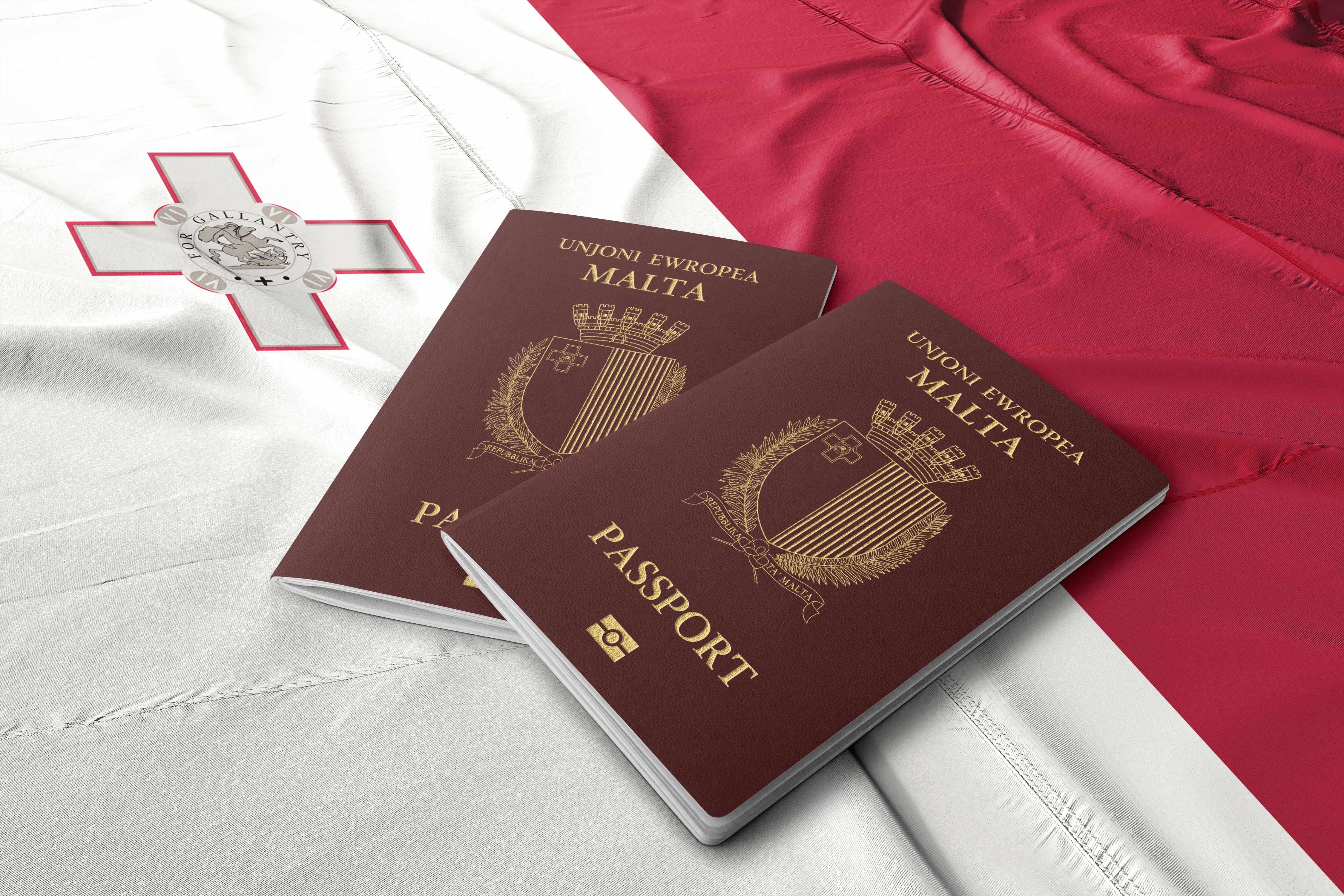
Malta Visa Requirements for UK Citizens
Since Brexit, UK citizens are considered third-country nationals within the EU. This means that Malta visa requirements UK citizens must be followed when relocating, working or retiring in Malta.
Short stays of up to 90 days in any 180-day period remain visa-free under Schengen rules. However, longer stays require a valid visa or residence permit — an essential step for UK nationals seeking stability and legal clarity. For UK expats living in Malta post-Brexit, early preparation ensures a seamless transition.
Key Residency Routes for UK Citizens
Key Employee Initiative (KEI)
A fast-track option for highly skilled professionals relocating for managerial or specialised roles. Processing time is typically five working days — ideal for professionals moving to Malta from the UK for employment.
Nomad Residence Permit
One of the most popular routes for remote workers earning income outside Malta. Applicants must show a minimum monthly income of €2,700 and hold valid health insurance. This flexible pathway is among the most attractive Malta visa requirements UK citizens for remote work.
Malta Permanent Residence Programme (MPRP)
A residency-by-investment option offering indefinite residency in Malta and Schengen travel flexibility. Open to UK nationals, it requires a qualifying property purchase or rental and financial contributions.
Global Residence Programme (GRP)
Favoured by high-net-worth individuals. Applies a flat 15% tax rate on foreign income remitted to Malta, supported by strong property and lifestyle flexibility.
Malta Retirement Programme (MRP)
Ideal for retirees transferring foreign pensions, offering favourable tax treatment and access to Malta’s excellent healthcare system.
Long-Stay (D) Visa
Covers long-term study, family reunification and extended residence.
For anyone moving to Malta from the UK, these schemes offer clarity, structure and security in a post-Brexit landscape. Malta’s immigration framework is widely regarded as one of Europe’s most efficient and transparent.

Buying Property in Malta as a UK Citizen
For UK expats living in Malta post-Brexit, understanding property rules is essential. As non-EU nationals, UK citizens face different requirements depending on location and property type:
- Outside Special Designated Areas (SDAs): Buyers must obtain an Acquisition of Immovable Property (AIP) permit, which generally limits ownership to one residence and may restrict letting.
- Within SDAs — such as Portomaso, Tigné Point, Pendergardens, Smart City and Fort Cambridge — no AIP permit is needed. Buyers may own multiple properties and rent freely, offering flexibility for investors or second-home owners.
- Visa-linked acquisitions: Some residence schemes require property purchase thresholds, such as €275,000 minimum or €9,600 annual rental, depending on programme criteria.
Malta’s real estate market remains resilient and dynamic, supported by strong domestic demand, international investment and limited supply in premium locations. Average central rental yields hover around 3.5–4%, while capital appreciation remains steady.
Popular Areas and Property Types for British Expats
- Sliema & St Julian’s: Coastal, cosmopolitan and walkable, ideal for apartments or luxury villas for sale.
- Valletta & Three Cities: Heritage-rich with architectural character, perfect for palazzos, townhouses, and houses of character.
- Mellieħa, Naxxar & Gozo: Spacious, scenic and lifestyle-focused, suited for bungalows, villas and countryside homes.
From waterfront apartments to historic townhouses and countryside villas, Christie’s International Real Estate Malta curates properties to match each client’s lifestyle, investment strategy and residency goals. This makes SDAs the preferred choice for many moving to Malta from the UK, especially investors and lifestyle-driven buyers seeking turnkey ease.


Tax Benefits for UK Expats Living in Malta Post-Brexit
Malta’s tax environment is one of Europe’s most competitive and stable — a major advantage for UK expats living in Malta post-Brexit.
Key features include:
- Flat 15% tax on foreign income remitted to Malta
- No tax on foreign income kept abroad
- No wealth, inheritance or overseas capital gains tax
- 70+ double-tax treaties, including the UK
This allows British retirees, remote workers and globally mobile professionals moving to Malta from the UK to structure their income efficiently and transparently. From pension transfers to foreign-income management, Malta’s system offers clarity and long-term planning advantages unmatched by many other EU destinations.

Healthcare, Education & Lifestyle
Malta delivers exceptional quality of life — one of the main reasons UK expats living in Malta post-Brexit consistently rate the island as one of the best relocation destinations.
Healthcare
The public healthcare system provides extensive coverage for residents contributing to social security, while private medical facilities offer premium services and short waiting times. English-speaking practitioners, transparent systems and international insurance compatibility make medical care easy to navigate for UK nationals.
Education
Education options include British-curriculum and international schools, and the University of Malta is globally recognised, making relocating with children straightforward. High-quality international school fees typically range between €8,000–€19,000 per year, depending on the school and age group. Malta’s schools foster multicultural environments where expat children can integrate smoothly.
Lifestyle
- Over 300 days of sunshine per year
- UNESCO heritage sites and world-class culture
- Coastal living and active outdoors lifestyle
- Safe, welcoming communities
- Excellent air connectivity to the UK and Europe
Malta blends cultural depth with modern convenience, making everyday life both relaxed and efficient.

Why Malta Outshines Other EU Relocation Destinations
For UK expats living in Malta post-Brexit, the island’s consistency, transparency and English-speaking environment make it stand out against other EU relocation options.
While Portugal’s NHR programme has closed, Italy has doubled expat tax rates, Spain and France have high taxes and bureaucracy, Malta continues to uphold clear investor-friendly legislation. Its stable governance, English as an official language, full EU membership and transparent 15% remittance-based tax system make Malta one of the most reliable destinations for long-term planning.
Christie’s International Real Estate Malta: Your Relocation Partner
Relocating is more than a financial or administrative process — it is the beginning of a new chapter. Christie’s International Real Estate Malta provides a refined, discreet and expert-driven approach to ensure that every stage of your move is seamless.
Our Expertise Includes:
- Tailored Property Search: Exclusive access to apartments, houses of character, townhouses, bungalows and luxury villas for sale across Malta.
- Legal & Financial Introductions: Connections to vetted lawyers, relocation specialists and tax advisors who guide you through residency pathways and Malta visa requirements UK citizens.
- End-to-End Transaction Support: Negotiation, due diligence, AIP permits and settlement.
- Concierge Aftercare: Letting management, compliance guidance and community integration.
- UK Property Support: Sell or rent your UK home through our network.
- Business Advisory: Company set-up or restructuring support via trusted partners.
For UK expats living in Malta post-Brexit, our team acts not only as property advisors but as strategic partners throughout your relocation journey.
Success!

Take A Look
Book Your Luxury
Property Tour Today!


