Introduction
Buying property in Malta is an exciting yet complex journey. With more than 30 per cent of all property transactions involving foreign buyers, international interest in the Maltese market continues to grow in 2025. This is hardly surprising: Malta offers a stable economy, an English-speaking environment, attractive residency opportunities, and one of the most desirable Mediterranean lifestyles.
But purchasing a home or investment here is not as simple as signing on the dotted line. Malta has its own legal framework, unique tax system, and property market conditions that you must understand before committing. Understanding taxes is particularly important, as stamp duty, final withholding tax, and other property-related charges can significantly affect your overall costs. We've covered these in detail in our Malta Property Taxes Guide.
This guide will walk you through every stage of the journey: an introduction to Malta’s property market, a step-by-step breakdown of the legal process, a clear overview of the costs involved, and expert insights into the legal and financial considerations that matter most in 2025. By the end, you’ll know exactly what to expect—and why working with an expert like Christies Real Estate Malta can make the difference between a smooth transaction and a costly mistake.

Malta’s Property Market and Legal Framework
Market Conditions in 2025
The Maltese property market remains one of the most resilient in Europe. Prices have grown steadily over the past decade, supported by consistent foreign demand, limited land availability, and a buoyant local economy. Apartments in central areas such as Sliema, St Julian’s, and Valletta continue to command premium prices, while Gozo appeals to those seeking more space and traditional homes. Luxury developments in Special Designated Areas (SDAs) remain particularly popular with foreign buyers, as they allow for unrestricted ownership rights.
The Legal System
Malta’s legal system is based on civil law, with property law carefully regulated to protect both buyer and seller. The notary public plays a central role in the transaction, conducting due diligence on the property title and ensuring the transfer is legally valid. Unlike some countries, lawyers do not usually handle property purchases directly—this is the notary’s responsibility.
The Tax System
Malta’s tax system is structured to encourage both ownership and investment. Stamp duty applies at the point of purchase, while capital gains tax may be due when selling within a short timeframe. Rental income is taxed at a flat rate, making buy-to-let investments straightforward. Importantly, Malta does not impose an annual council tax on property owners, which reduces ongoing costs compared with many other European jurisdictions.
Key Legal Terms Every Buyer Should Know
Before diving into the process, it is important to understand some of the key terms that appear in Maltese property contracts:
-
Freehold: When you purchase a freehold property, you acquire full ownership of the building and the land on which it stands, with no time limit. Freehold ownership is considered the most straightforward and secure form of title.
-
Leasehold: In a leasehold arrangement, the buyer acquires the right to occupy the property for a fixed number of years but does not own the land outright. Leasehold agreements are less common in Malta but do exist, particularly for certain apartments.
-
Ground Rent (Cens): Some properties are sold subject to ground rent, which means the buyer must pay an annual fee to the landowner. This can sometimes be redeemed, converting the property into freehold. It is essential to check whether ground rent applies before purchasing.
-
Promise of Sale Agreement (Konvenju): A legally binding preliminary contract signed by both parties, which sets the terms of the sale and secures the buyer’s interest with a deposit.
Understanding these terms ensures you know exactly what you are purchasing and prevents costly misunderstandings.
Buying Real Estate in Malta in 2025
Step 1
Promise of Sale Agreement (Konvenju)
Once the buyer and seller agree on a price, a Promise of Sale Agreement is signed in the presence of a notary. The buyer pays a deposit, usually 10 per cent of the property’s price, which is held by the notary. The konvenju sets a timeframe typically three months for completing the purchase, although extensions can be agreed.
Step 2
Notarial Searches and Due Diligence
The notary then conducts detailed searches to confirm the property title, check for outstanding debts or mortgages, and ensure compliance with planning permits. This stage is critical, as it verifies that the seller has full rights to transfer the property.
Step 3
Acquisition of Immovable Property (AIP) Permit
Foreign buyers who are not residents of Malta may need to obtain an AIP permit, unless the property is located in a Special Designated Area (SDA). This permit allows non-residents to acquire property for residential use, subject to certain conditions. EU citizens who have lived in Malta for more than five years are exempt.
Step 4
Financing and Bank Approval
If the buyer requires a mortgage, this is the stage where the bank finalises its approval and prepares the loan documentation. A property valuation is usually required.
Step 5
Final Deed of Sale
Once all legal checks are complete and permits are secured, the parties sign the final deed of sale at the notary’s office. At this point, the remaining balance of the purchase price is paid, stamp duty is settled, and ownership is officially transferred. The notary then registers the deed with the public registry.
Summary of Potential Costs
Understanding the full cost of buying property in Malta is vital for effective budgeting.
-
Stamp Duty: Typically 5 per cent of the property value, payable in two stages—one-fifth on signing the konvenju and the balance upon completion. First-time buyers may qualify for reduced rates.
-
Notary Fees: Usually between 1 and 2 per cent of the property price. These fees cover notarial services, title searches, and registration.
-
Agency Fees: Estate agency fees are generally paid by the seller, but buyers should confirm this at the outset. If buyers engage a consultant for a personalised property search, additional fees may apply.
-
Registration Fees: Modest administrative charges for registering the deed with the public registry.
-
Bank and Mortgage Fees: If financing is required, costs may include application fees, valuation fees, and processing charges.
-
Insurance and Miscellaneous Costs: Buyers may need to budget for property insurance, utility connections, and currency exchange charges if transferring funds from abroad.
By considering all of these costs, buyers can avoid unexpected expenses and plan their finances effectively.
Taxes on Property in Malta
Taxes play an important role in property ownership and investment in Malta. The main taxes to be aware of include:
-
Stamp Duty: As outlined above, this is paid on purchase and is usually 5 per cent of the property’s value.
-
Capital Gains Tax: If you sell a property within five years of purchasing it, capital gains tax may apply. The standard rate is 8 per cent of the transfer value, though exemptions exist for primary residences.
-
Rental Income Tax: Rental income is taxed at a flat rate of 15 per cent, making Malta attractive for buy-to-let investors.
-
Inheritance and Wealth Taxes: Malta does not impose wealth tax, and inheritance of immovable property is subject to duty on documents at 5 per cent of the property’s value.
Understanding these taxes helps buyers plan for both the immediate and long-term financial impact of their investment. For more information, ckeck our Tax Guide 'Malta Property Tax Guide'.
Common Challenges Buyers Face
While Malta’s property market is secure, challenges can arise:
-
Misunderstandings in contracts due to language or lack of legal advice.
-
Purchasing leasehold property or property subject to ground rent without fully understanding the implications.
-
Hidden costs that inflate the overall budget.
-
Delays in obtaining AIP permits for non-EU buyers.
-
Overpaying in competitive markets without obtaining an independent valuation.
Working with a reputable notary and estate agency is the best way to avoid these pitfalls.
Discover your next home in Malta
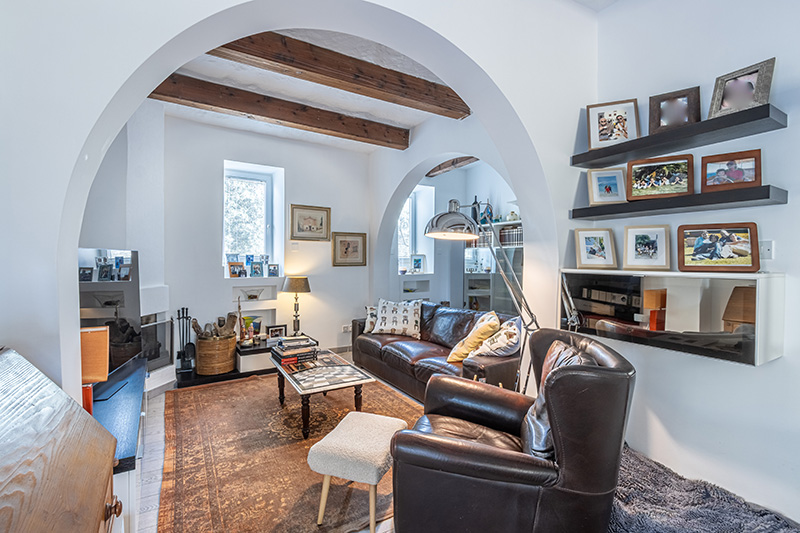
Houses of Character
20 properties
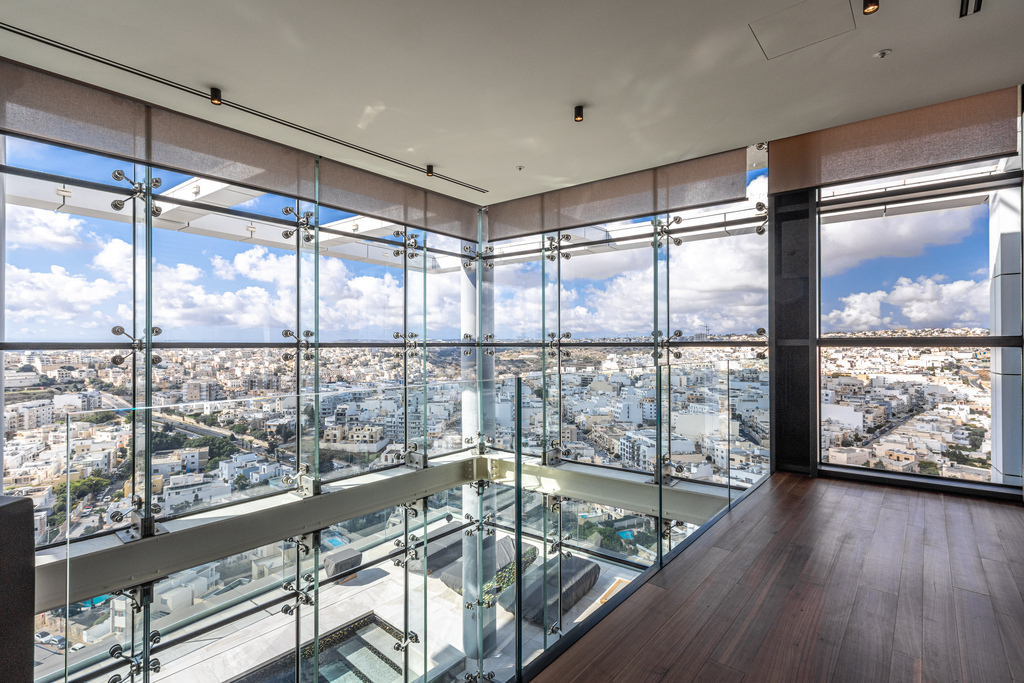
Penthouses
56 properties
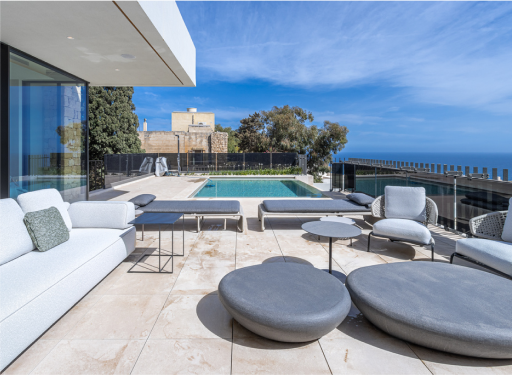
Luxury Villas
47 properties
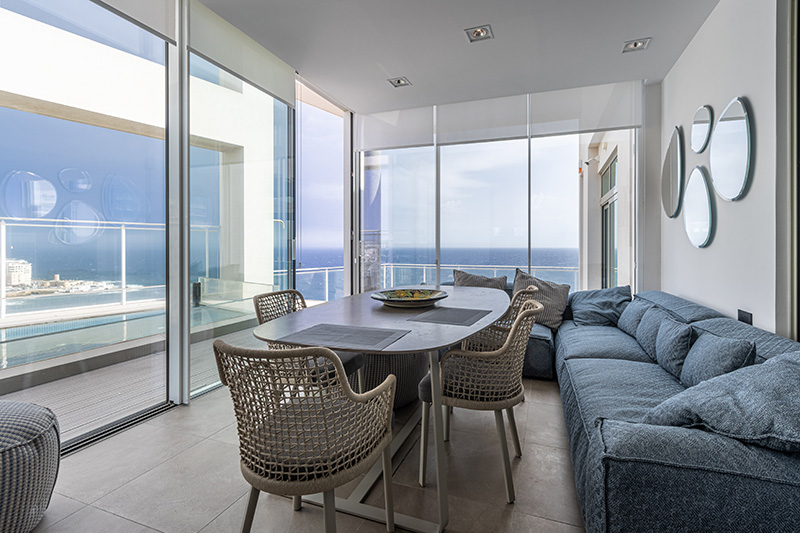
Apartments
154 properties

Palazzos
13 properties
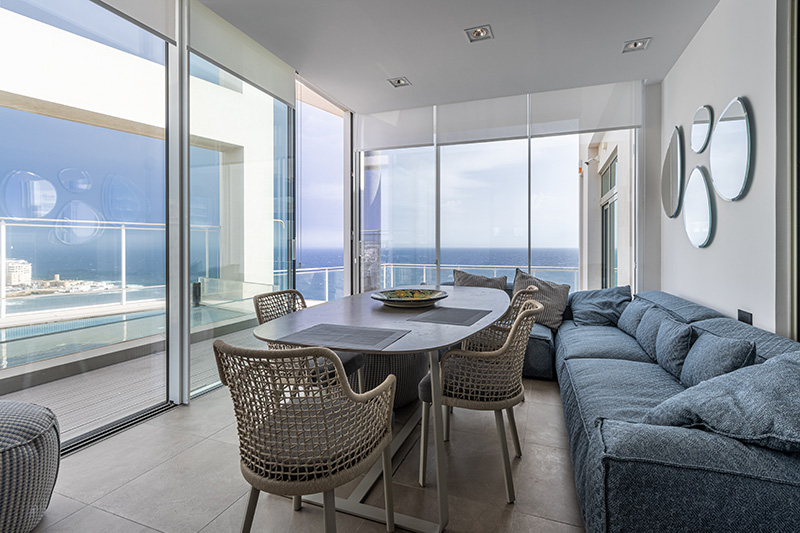
Sea View Properties
143 properties
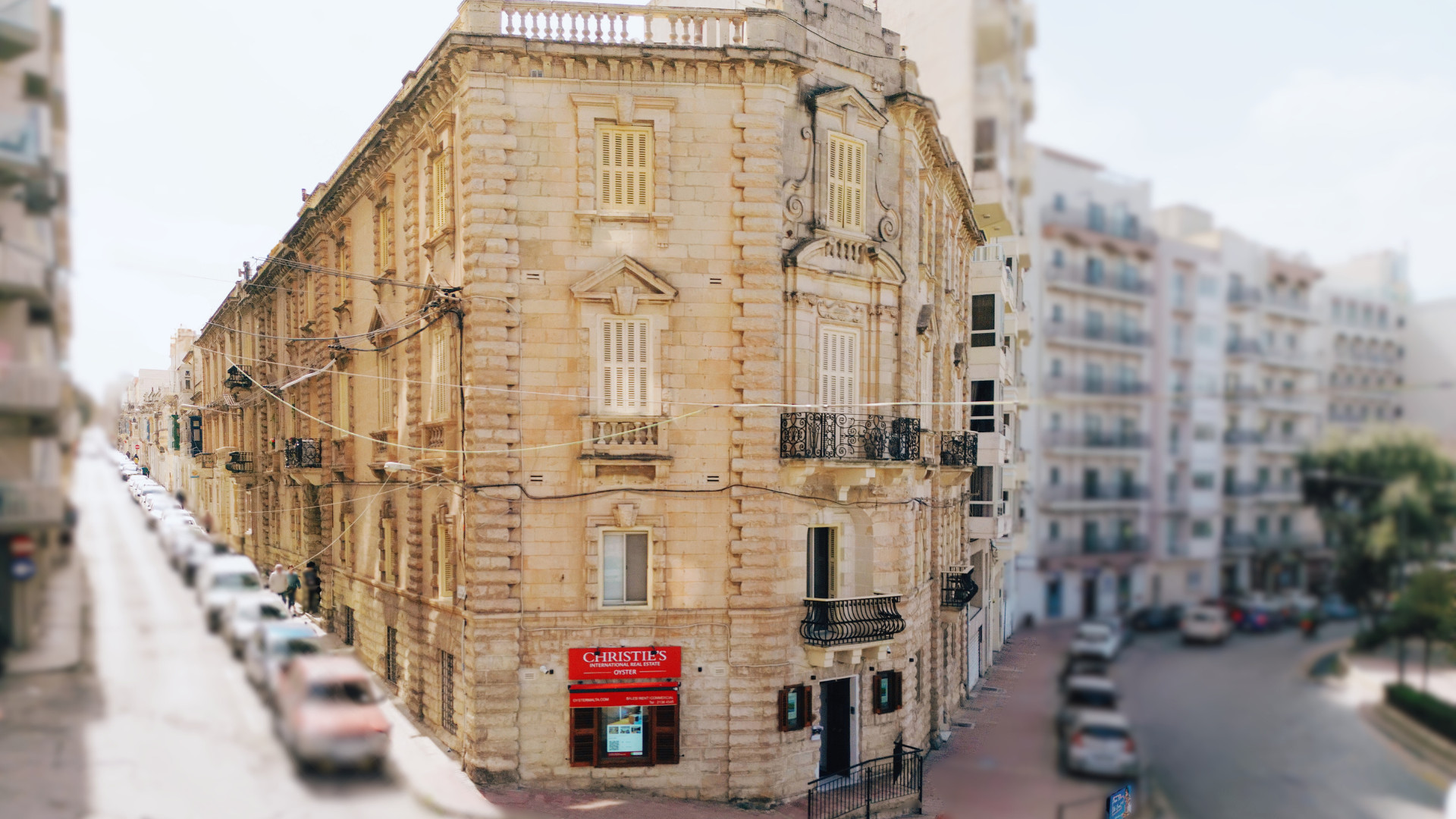
Why Choose Christies Real Estate Malta?
When buying property abroad, the right estate agency can make a decisive difference. Christies Real Estate Malta provides international buyers with:
-
Unmatched Expertise: Local professionals with deep knowledge of the Maltese property market combined with the global prestige of the Christie’s brand.
-
Exclusive Listings: Access to some of the most desirable luxury homes, apartments, and villas in Malta and Gozo.
-
End-to-End Guidance: Support with property searches, negotiations, legal checks, financing, and tax planning.
-
Trusted Network: Strong relationships with leading notaries, financial institutions, and service providers to ensure a seamless process.
-
Personalised Service: Tailored advice to match your budget, goals, and lifestyle needs, whether you are looking for a rental investment or a permanent home.
Choosing Christies Real Estate Malta means more than finding a property—it means gaining a trusted partner who understands both the local market and the expectations of international buyers.
FAQs About Buying Property in Malta
Do foreigners always need an AIP permit?
In most cases, yes. Non-residents must obtain an Acquisition of Immovable Property permit when purchasing outside of Special Designated Areas. The process requires an application to the Ministry of Finance and proof of the intended use. However, EU citizens who have lived in Malta for more than five years are exempt, and properties in SDAs can be purchased freely by anyone.
What are the differences between freehold, leasehold, and ground rent?
How much does it really cost to buy property in Malta?
Can I rent out my property after purchasing?
Is Malta still a good investment in 2025?
Buying property in Malta is a rewarding experience, combining lifestyle benefits with strong investment potential. Yet success requires careful preparation. Understanding the legal framework, the role of the notary, the costs involved, and the tax implications will help you avoid surprises and make sound financial decisions.
The journey from signing the Promise of Sale Agreement to the final deed of sale involves several steps, each of which must be handled correctly. Knowing whether your property is freehold, leasehold, or subject to ground rent, budgeting for stamp duty and notary fees, and planning for long-term taxes like capital gains tax are all essential to your success.
That is why working with experts matters. Christies Real Estate Malta combines international prestige with local expertise to provide you with a trusted partner throughout the process. Whether you are purchasing your first Maltese apartment, a holiday villa, or an investment property, their team can guide you with professionalism and care.
Take the next step. Contact Christies Real Estate Malta for personalised advice and start your journey towards owning property in Malta with confidence.
Success!
Take A Look
Book Your Luxury
Property Tour Today!


