Offices, retail, hotels, restaurants and more
Commercial Property in Malta For Sale and Rent in Malta
Commercial Property in Malta
Malta's commercial property market operates within the same structural conditions that define its residential sector: a small island with limited developable land, a services economy that consistently outperforms its geographic scale, and sustained inward investment from international businesses and private capital. For those seeking commercial property for sale in Malta, or commercial premises to let, these conditions create a market in which quality assets are rarely idle and well-positioned properties command durable long-term value.
Christie's International Real Estate Malta advises on commercial property across all principal asset classes, including offices, retail units, hospitality and food and beverage properties, mixed-use buildings, and income-generating investment assets. Our advice is informed by an established understanding of local market dynamics, planning considerations, and the relationships that bring significant opportunities to clients before they reach the open market.
Understanding Malta's
Commercial Property Permit System
Before exploring the asset classes available in Malta's commercial market, it is worth understanding how the island's planning framework governs what can and cannot operate from any given commercial premises. This is an area that frequently catches buyers and tenants by surprise, and establishing clarity at the outset helps avoid costly mistakes later.
Malta's Planning Authority classifies all commercial property under a structured system of Use Classes. Each class defines the type of business activity that is legally permitted from a property. There are eighteen commercial use classes in total, ranging from residential institutions to industrial and maritime operations. For most commercial property buyers and tenants, the following classes are the most relevant.
Class 3A: Guesthouses, Boutique Hotels, Palazzinos and Hostels
Class 3A covers temporary collective accommodation establishments that are not classified as full hotels, including guesthouses, palazzinos, boutique accommodation, and hostels.
Properties operating under this class also require a separate Collective Accommodation Licence issued by the Malta Tourism Authority (MTA), which governs tourism compliance independently of the planning permit.
Class 3B: Hotels
Class 3B applies exclusively to hotels.
As with Class 3A, an MTA Collective Accommodation Licence is required in addition to the planning permit. The Malta Tourism Authority sets its own standards for classification, facilities, and operational compliance.
Class 4A: Offices
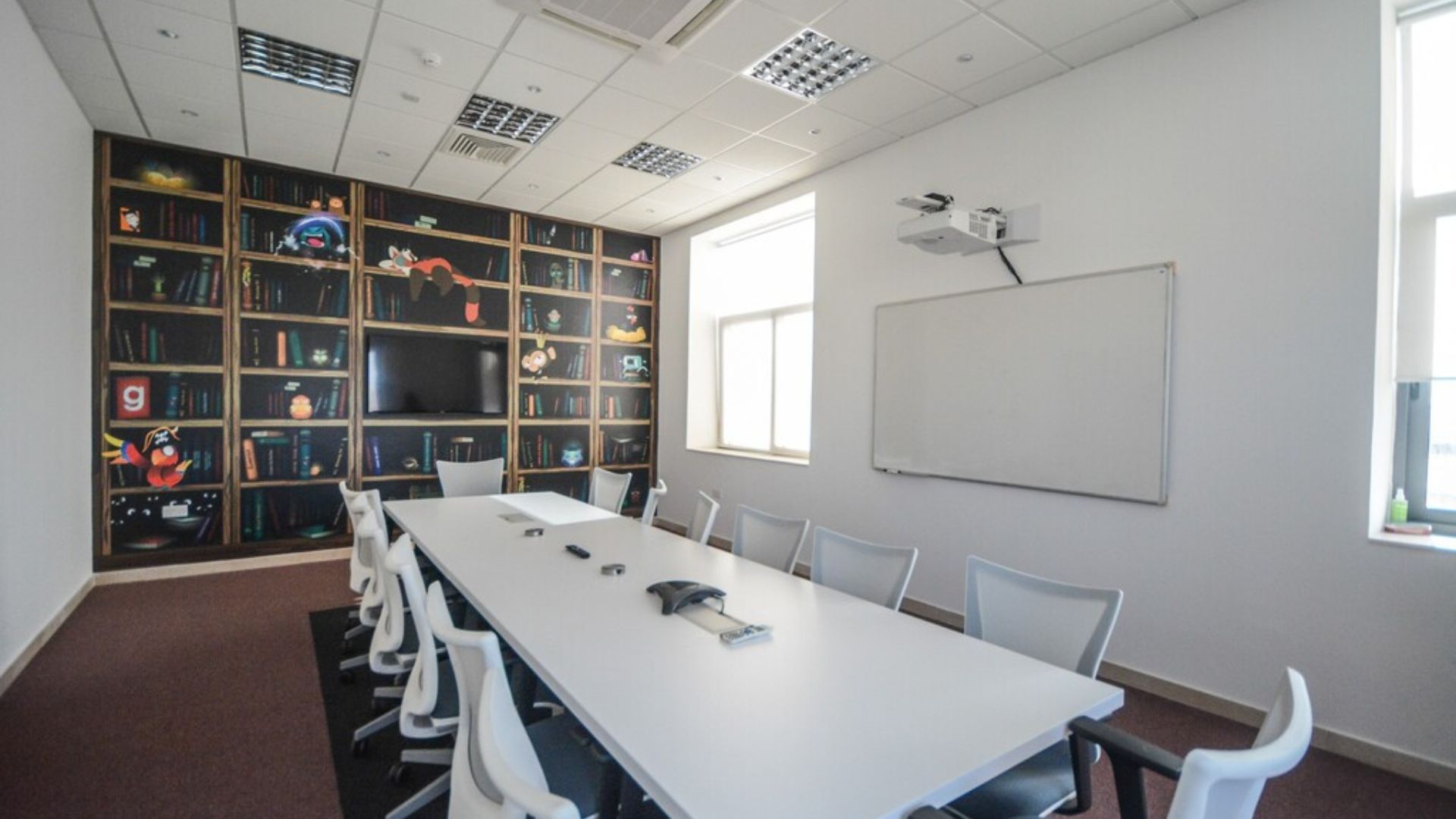
Class 4A covers professional office use. This is the classification under which the majority of Malta's financial services, legal, technology, gaming, professional services, and back-office operations are housed.
Class 4B: Retail
Class 4B covers retail premises used for the sale of goods, excluding food and drink for consumption on the premises and motor vehicles. This is the standard classification for shops, showrooms, and commercial retail units.
Class 4C: Food and Drink Establishments (No Cooking)
Class 4C applies to food and drink establishments where no cooking takes place, including coffee shops, cafés, ice cream parlours, and bars serving cold food and beverages.
In addition to the planning permit, businesses serving food and drink require a Catering Establishment Licence from the Malta Tourism Authority. This licence covers health and safety standards, food handling regulations, and, where applicable, the service of alcoholic beverages.
Class 4D: Food and Drink Establishments (Cooking Permitted)
Class 4D is required for any food and drink establishment where cooking takes place, including restaurants, snack bars, and any catering operation involving the preparation of hot food.
As with Class 4C, an MTA Catering Establishment Licence is required in addition to the planning permit. The distinction between Class 4C and Class 4D is significant. Converting a Class 4C premises to Class 4D, or converting any other commercial use class to a food and beverage use, typically requires a formal change of use application to the Planning Authority together with a professional architectural assessment.
A critical distinction that all commercial buyers and tenants should understand is that a Planning Authority permit class determines the use that is legally approved for a property. It does not constitute an operating licence. Businesses in the hospitality and food and beverage sectors require both a valid planning permit under the correct use class and the relevant operational licence from the Malta Tourism Authority before they can begin trading.
Engaging a professional architect to verify the existing permit class of any commercial property before proceeding with a transaction is strongly advisable.
Commercial Property in Malta
The Principal Asset Classes
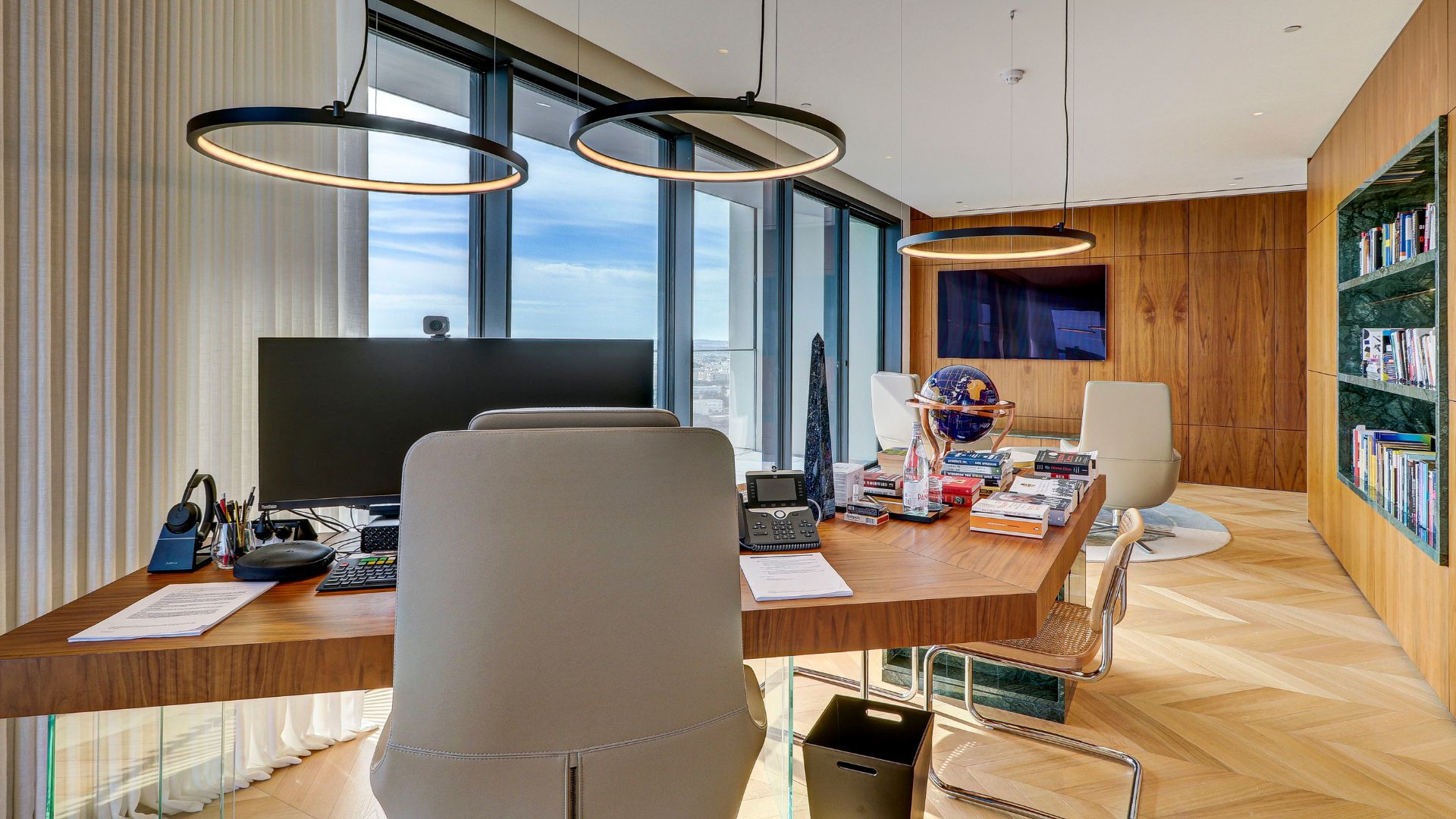
Offices
Demand for quality office space in Malta is concentrated within the island's established commercial corridor, running broadly from Sliema through St Julian's. This stretch encompasses major lifestyle developments, the financial district, and the high-density business activity generated by Malta's gaming, financial services, technology, and professional services sectors. It consistently produces the strongest occupational demand for Grade A office space.
Office buildings in Sliema and St Julian's command the highest rents and attract the most sustained occupier interest, reflecting their proximity to transport links, amenities, and the international business community.
Central locations including Santa Venera, Birkirkara, and Mrieħel serve as important secondary office markets, offering more accessible rental levels for businesses that do not require a seafront address. Continued infrastructure improvements are making these central localities increasingly attractive for businesses seeking value without sacrificing accessibility.
For investors, the office market rewards careful selection between prime and secondary assets. Older stock outside the main commercial corridor often presents repositioning and adaptive reuse opportunities at more accessible acquisition prices, while prime assets in Sliema and St Julian's continue to attract stable long-term occupiers.
Retail Units
Retail performance in Malta is strongly location dependent. The island's core high street and tourist-facing retail corridors, concentrated in Sliema, St Julian's, and Valletta, generate the most sustained footfall and consistently attract both domestic and international retail operators.
The Valletta retail market has particular characteristics worth understanding. Footfall is driven by a combination of tourism, government activity, and the city's role as a cultural destination, creating consistent demand for lifestyle, artisan, and experiential retail concepts alongside more conventional commercial uses.
Central residential localities including Mosta, Naxxar, and Birkirkara support a different, but equally stable, retail environment. These neighbourhood-serving commercial units benefit from consistent local demand and tend to be less sensitive to tourism fluctuations than the coastal and capital city markets.
Hospitality Property: Hotels and Guesthouses
Malta's hospitality property market is underpinned by one of the strongest tourism sectors in the Mediterranean. The island welcomed more than 4 million visitors in 2025, generating approximately €3.9 billion in tourism expenditure, reinforcing its position as one of Europe's leading tourism destinations. Hotel performance remained resilient throughout the year, supported by strong occupancy levels, increasing average daily rates, and sustained demand across the four and five-star segments.
For investors in hotel property for sale in Malta, the market presents a clear distinction between asset tiers. Five-star and upper-scale assets continue to benefit from premium average daily rates and strong international brand demand, while four-star hotels have demonstrated consistently solid trading performance, supported by broad visitor demand and effective operational management. Recent hotel performance surveys also point to continued confidence across the sector, although operators remain mindful of pricing pressure, increasing competition, and the pipeline of new accommodation supply.
The continued expansion of Malta's accommodation stock reflects both the strength of the tourism market and investor confidence in the sector. At the same time, prospective buyers should carefully evaluate location, product quality, operational performance, and future supply when assessing investment opportunities, particularly in markets where new hotel developments are planned.
The principal locations for hotel property in Malta are Valletta, St Julian's, Sliema, Bugibba, and Mellieħa, with Valletta and St Julian's continuing to attract significant interest from international operators and investors. Gozo also represents an increasingly attractive hospitality market, particularly for boutique hotels and lifestyle-led accommodation concepts.
Hotel acquisitions require a Class 3B planning permit together with a Malta Tourism Authority Collective Accommodation Licence. Guesthouses, palazzinos, boutique accommodation, and hostels fall under Class 3A and likewise require an MTA licence. Buyers considering a hotel or guesthouse for sale in Malta should verify both the planning permit class and the status of any MTA licence before proceeding with a transaction.
Restaurants and Food and Beverage Properties
Malta's restaurant and food and beverage sector has expanded alongside the continued growth of tourism and the island's resident international community. Demand for well-positioned restaurant premises for sale or to let remains strong across Malta's principal commercial and tourist destinations.
Valletta has established itself as one of the Mediterranean's most vibrant dining destinations, with a concentration of high-quality restaurants, wine bars, and artisan food concepts that has continued to evolve since the city's year as European Capital of Culture in 2018.
St Julian's, Sliema, and the areas surrounding Malta's major lifestyle developments provide the highest concentration of food and beverage demand, supported by resident expatriate communities, hotel guests, business travellers, and leisure visitors. Seasonal demand remains strongest during the summer months, while Valletta and the principal urban centres benefit from more consistent year-round footfall.
Understanding the distinction between Class 4C (no cooking) and Class 4D (cooking permitted) is essential when evaluating any food and beverage property. Buyers and tenants should establish the existing permit class of any premises they are considering and determine whether a change of use application will be required before operations can commence.
In addition, all food and drink establishments, whether a coffee shop, bar, café, or full-service restaurant, require a Catering Establishment Licence from the Malta Tourism Authority. This licence is separate from, and additional to, the Planning Authority permit.
Mixed-Use Buildings
Commercial properties that combine office, retail, hospitality, or residential elements within a single building or development are becoming an increasingly significant part of Malta's urban landscape. This reflects planning policies that encourage mixed-use regeneration in established commercial centres and town centre locations, while also responding to occupier demand for developments that bring together work, leisure, retail, and residential uses in a single destination.
These assets appeal to investors seeking diversified income streams and reduced reliance on a single occupier or sector. A well-balanced mix of uses can enhance long-term resilience, improve occupancy levels, and create destinations that remain active throughout the day. Their alignment with Malta's ongoing urban development strategy continues to support their long-term investment appeal.
Commercial Investment Properties
Income-generating commercial assets across all of the above categories continue to attract sustained interest from both domestic and international investors. Malta's stable regulatory environment, EU membership, strategic Mediterranean location, and the structural scarcity of high-quality commercial property in prime locations remain key drivers of investment activity.
Regardless of asset class, the quality of the location, lease structure, tenant covenant strength, building specification, and planning classification remain the principal determinants of durable long-term investment performance. Investors should also consider the asset's future adaptability, particularly as occupier requirements continue to evolve across the office, retail, and hospitality sectors.
Buying or Leasing Commercial Property in Malta
The decision between acquiring commercial property for sale in Malta and securing commercial premises to let depends on capital strategy, operational requirements, and the specific dynamics of the sector in which a business operates.
Ownership provides balance sheet strength, the potential for capital appreciation within a supply-constrained market, and greater operational security over the medium to long term. In a market where prime commercial premises are often tightly held, acquisition can also reduce exposure to lease renewal risk in locations where comparable alternatives may be limited.
Leasing commercial premises in Malta offers greater operational flexibility together with a lower initial capital commitment. For many businesses, this is the more appropriate approach during periods of growth, expansion, or changing space requirements.
The market for high-quality commercial premises to let remains competitive, particularly in Malta's established business districts. Early engagement with an experienced adviser who can identify opportunities before they reach the wider market can often provide a significant advantage.

The Buying Process in Malta
The acquisition of commercial property in Malta follows a well-established legal process, providing investors and businesses with a structured and transparent framework for completing transactions.
The process typically begins with the signing of a Konvenju (Preliminary Agreement), a legally binding contract between the buyer and seller that sets out the agreed purchase price, deposit, conditions precedent, and the timeframe for completion. A deposit of approximately ten percent of the purchase price is customary. Commercial transactions frequently include additional conditions, such as financing approval, satisfactory legal and technical due diligence, planning and zoning verification, environmental assessments where appropriate, or the assignment of existing leases.
The final deed of sale is executed before a Notary Public, who is appointed by and acts on behalf of the buyer. The notary undertakes comprehensive due diligence, including verifying legal title, identifying any encumbrances or hypothecs, reviewing planning permits and compliance, and confirming that the property can lawfully be used for its intended commercial purpose. Where the property is income-producing, buyers will often carry out additional due diligence relating to existing leases, tenant obligations, rental income, and operating costs.
Stamp duty is generally payable by the purchaser on the transfer of commercial property and is typically calculated at five percent of the higher of the purchase price or the market value, although the applicable tax treatment may vary depending on the nature of the transaction, the parties involved, and whether VAT applies. Investors should obtain professional legal and tax advice to determine the most appropriate acquisition structure.
Notarial fees are regulated and generally range between one and two percent of the property's value. Estate agency fees are typically paid by the seller, although commercial transactions may involve bespoke fee arrangements that should be agreed at the outset.
Compared with many other European jurisdictions, Malta offers a straightforward and efficient commercial conveyancing process. The notarial system centralises legal due diligence under a single independent professional, providing buyers with a clear and reliable framework for verifying title and completing transactions. When supported by thorough commercial, legal, and financial due diligence, the acquisition process is generally considered transparent, predictable, and well suited to both local and international investors.
If You Decide to Do Business in Malta
Discover Life in Malta
For those considering Malta as a business base or investment destination, our Living in Malta page explores the island's business environment, lifestyle, connectivity and quality of life.
For practical guidance on purchasing property, taxation, residency, and relocation, explore our Essential Guides to Malta.

Frequently Asked Questions
What commercial property permit class do I need for a restaurant in Malta?
A restaurant, or any food and drink establishment where cooking takes place, requires a Class 4D planning permit. Establishments serving food and drink without cooking, including coffee shops, cafés, bars, and similar businesses, fall under Class 4C.
Both classes also require a separate Catering Establishment Licence from the Malta Tourism Authority before trading can commence. Buyers and tenants should verify the existing permit class of any premises they are considering and determine whether a change of use application is required before proceeding.
What is the difference between a Class 3A and Class 3B permit for hospitality properties?
Where is demand for office space strongest in Malta?
Is Malta's hospitality property market a sound investment environment?
Does a planning permit allow me to start trading immediately?
Can international investors acquire commercial property in Malta?

Contact Christie's International Real Estate Malta
Whether you are seeking commercial property for sale in Malta, evaluating commercial premises to let, or considering a hospitality or investment acquisition, our commercial property specialists are available to discuss your requirements.
With extensive local market knowledge and access to on and off-market opportunities across Malta and Gozo, Christie's International Real Estate Malta provides tailored advice to occupiers, investors, developers, and business owners seeking exceptional commercial property.
Speak to our team today to discuss your commercial property requirements.
Success!
Take A Look
Book Your Luxury
Property Tour Today!


