Valletta: A Guide to the Capital of Malta
Living in Valletta
Discover Valletta
A Capital of Culture, History and Charm
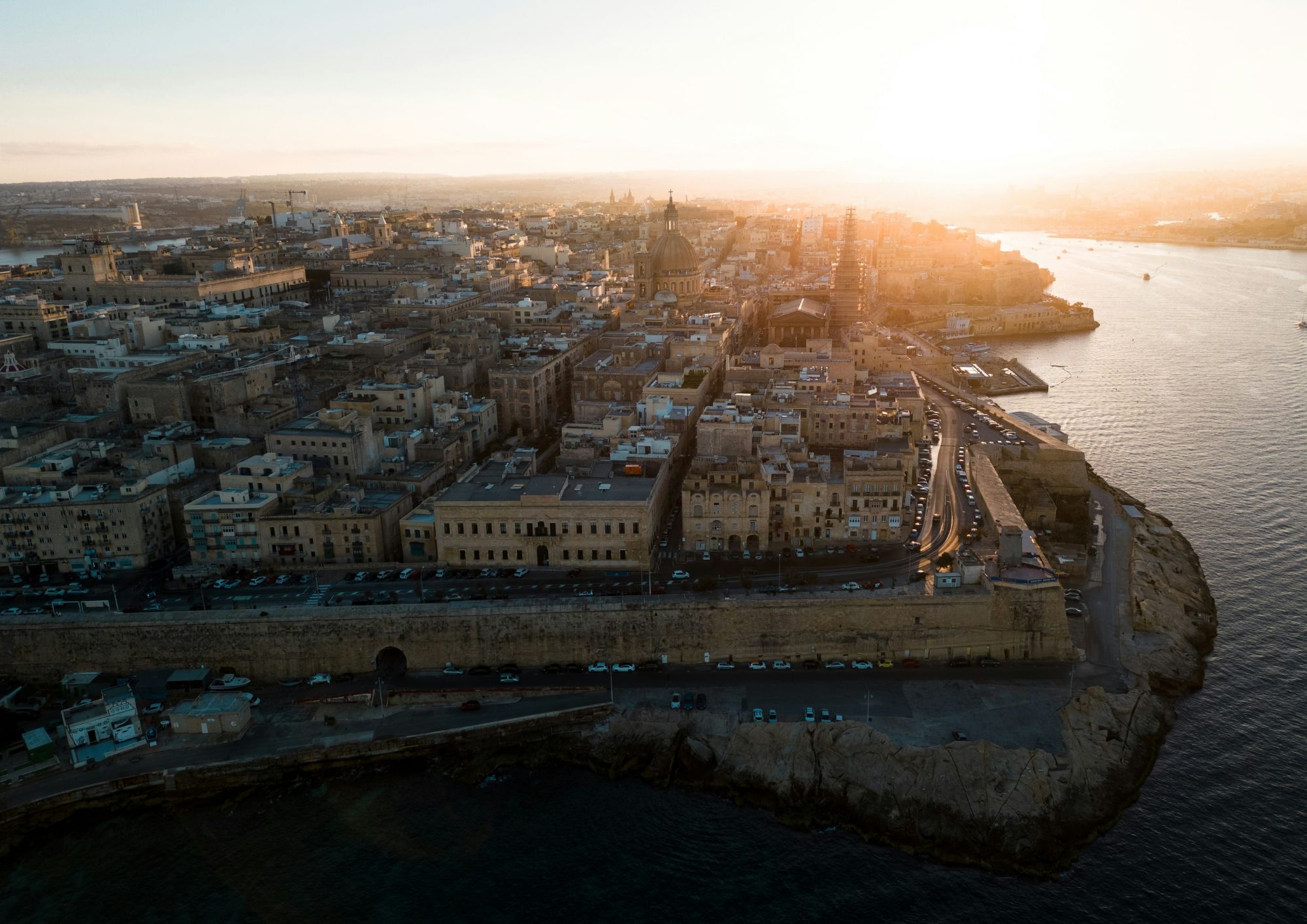
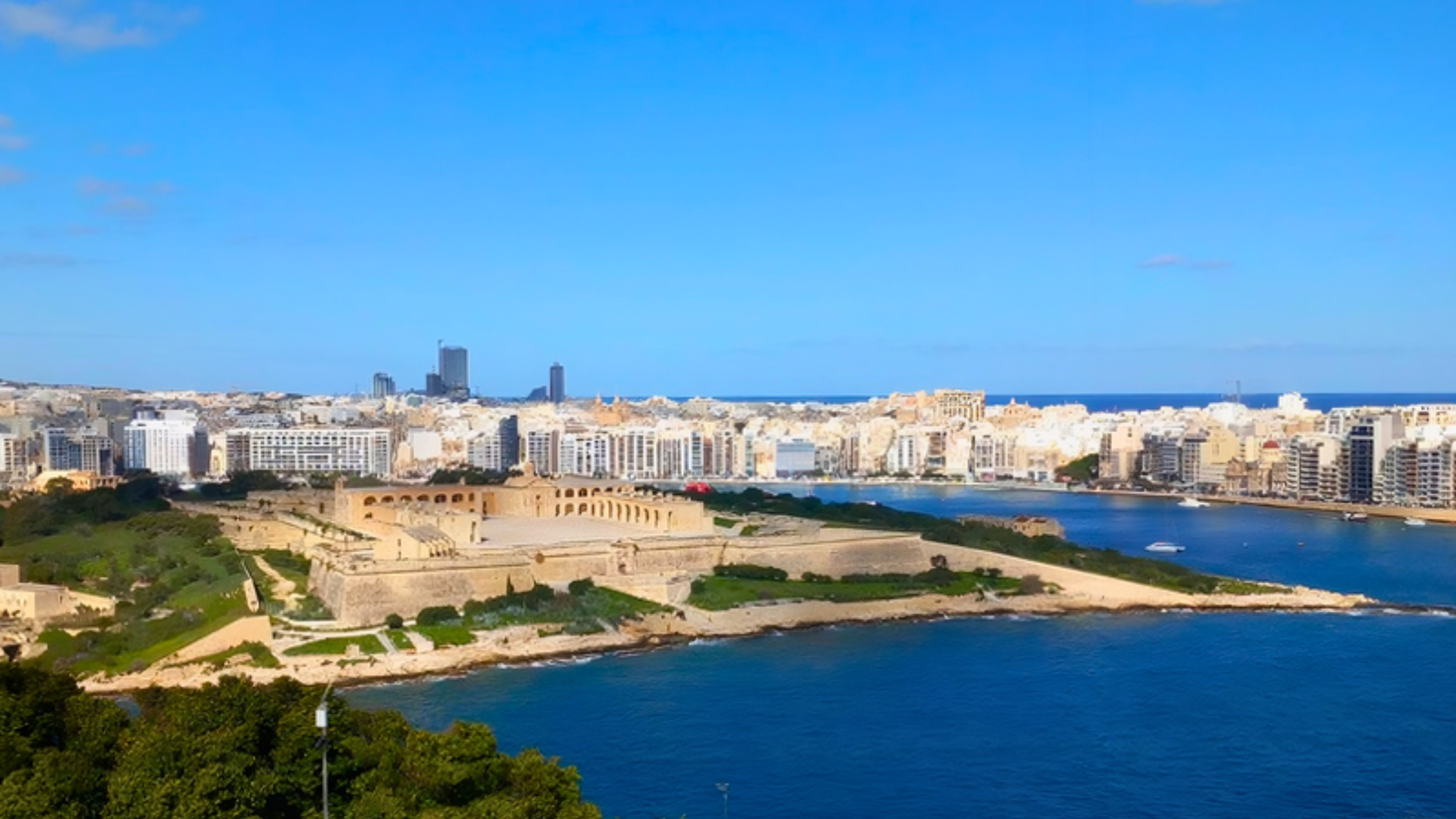
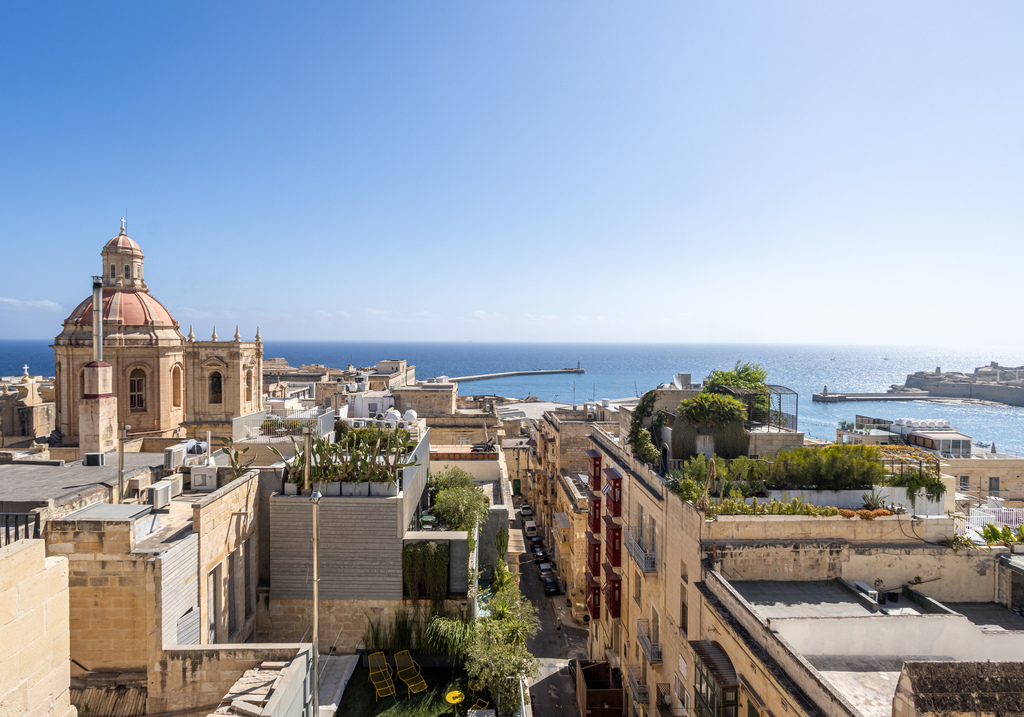
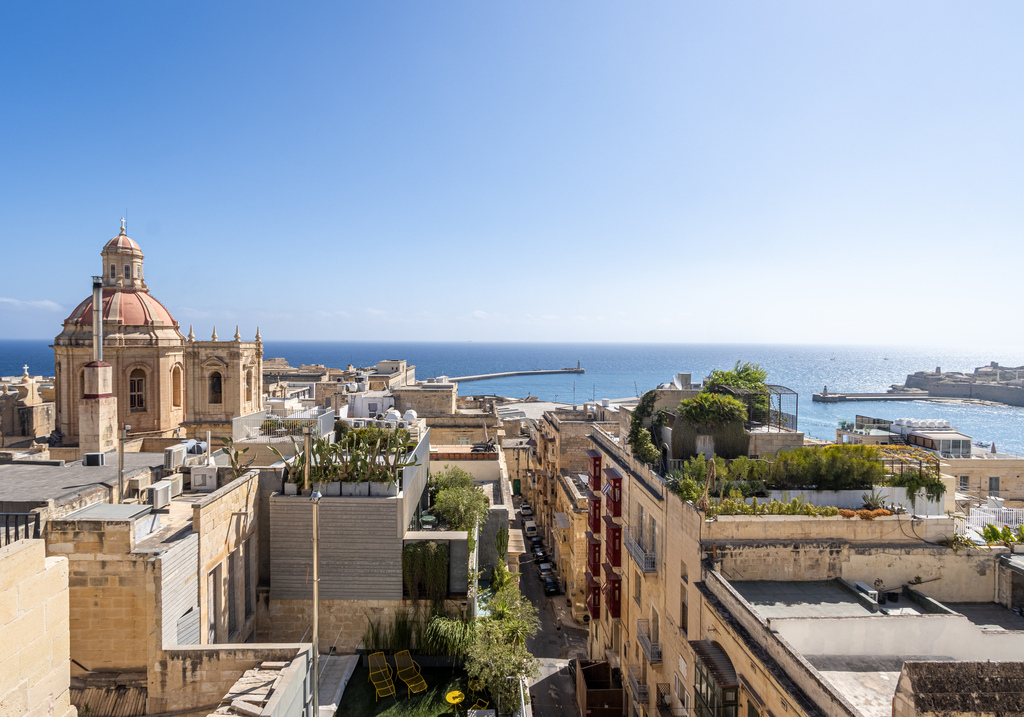
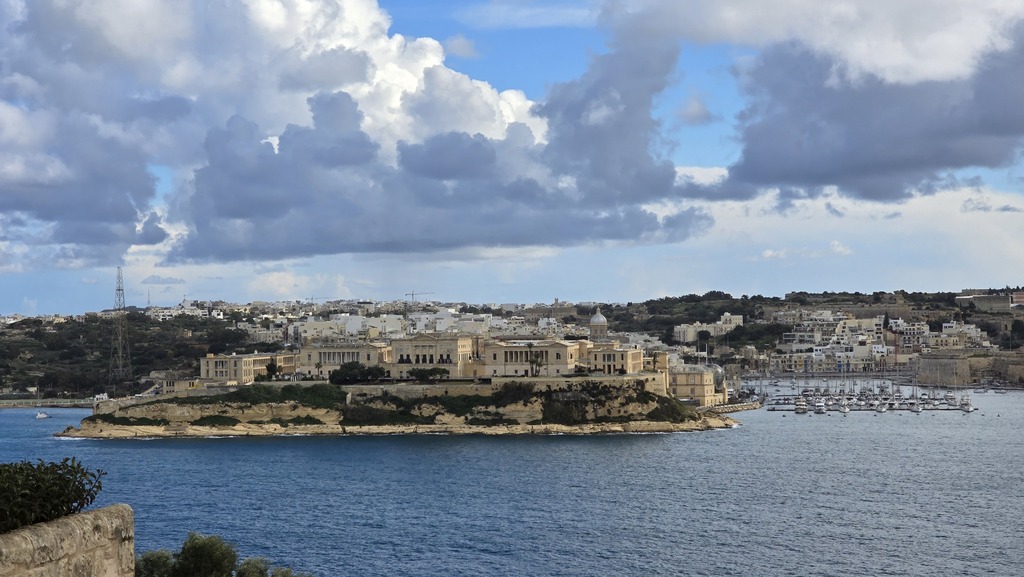
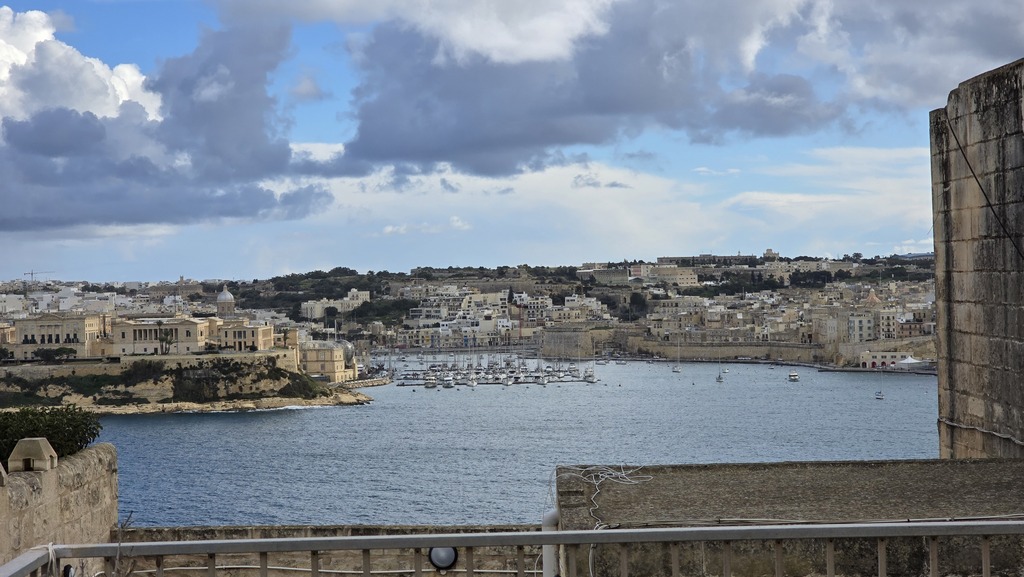
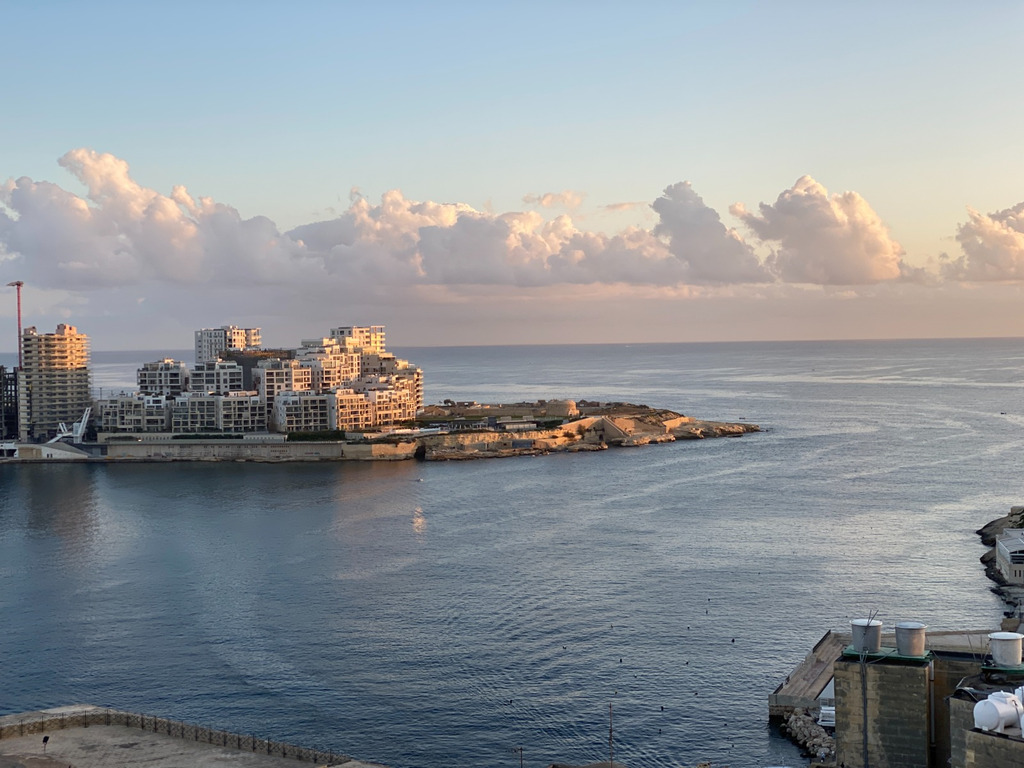
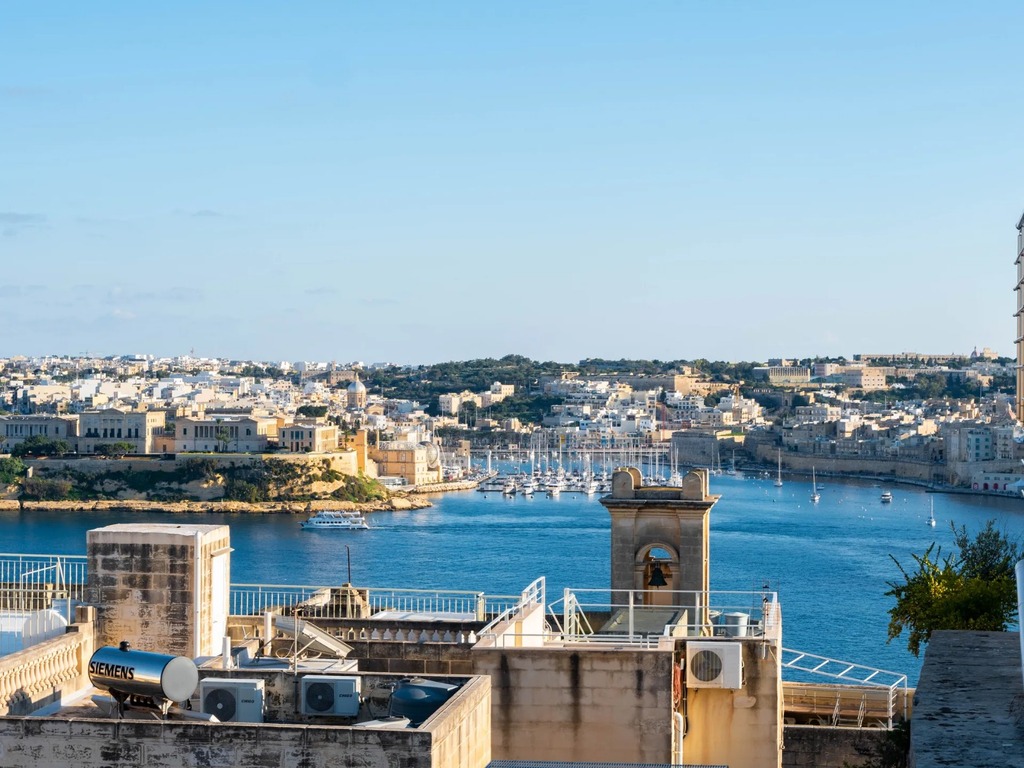
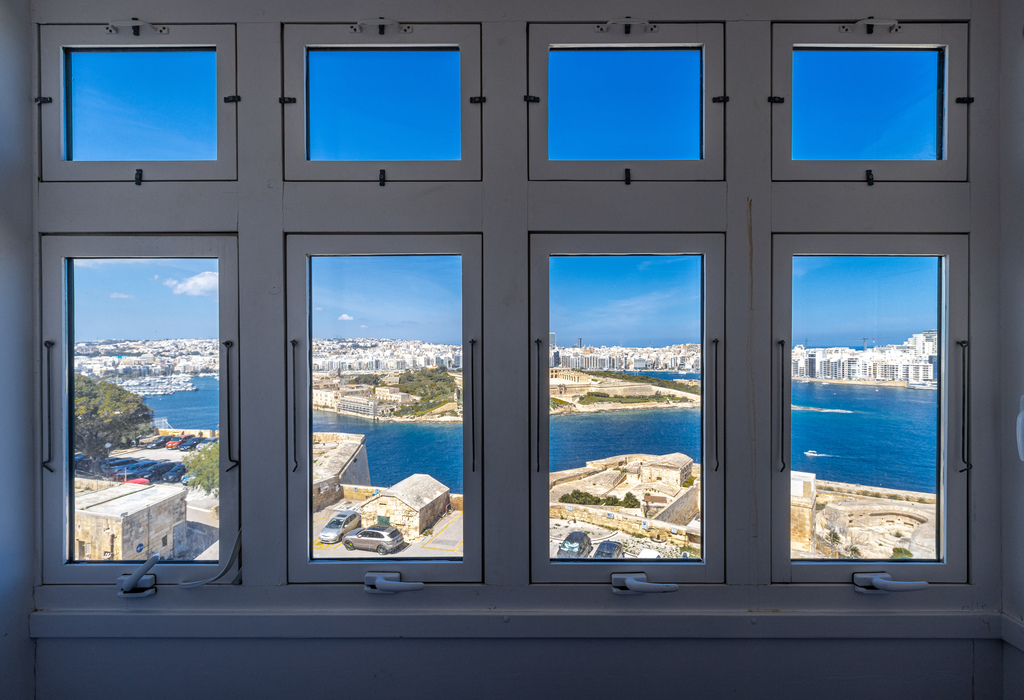
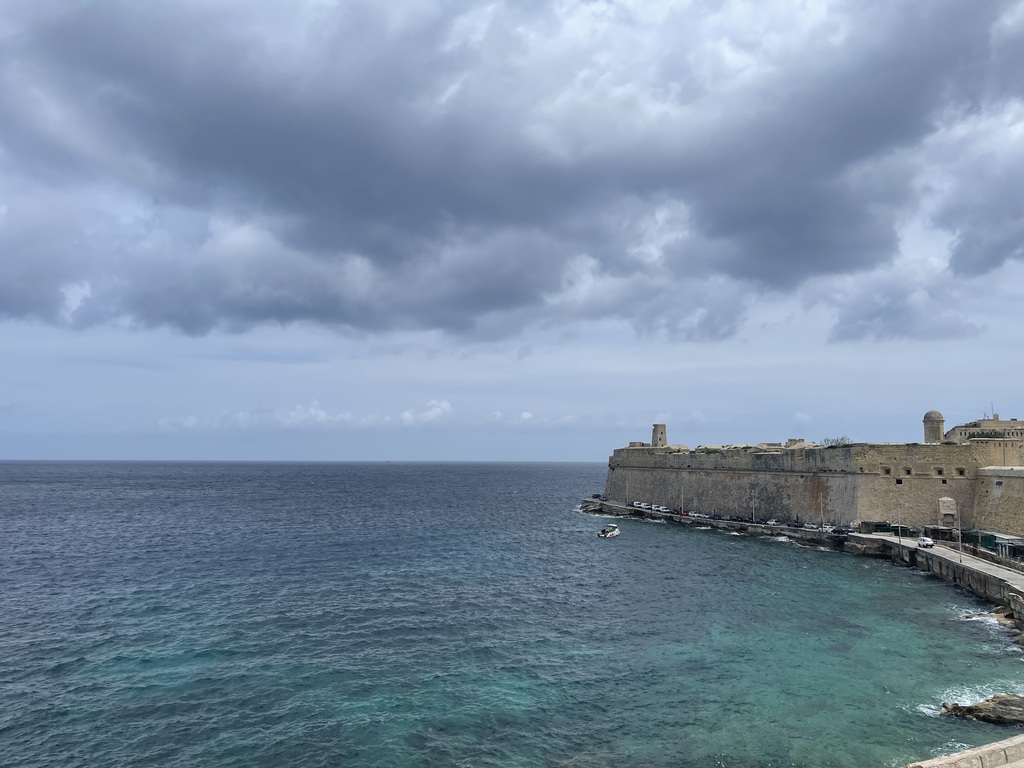
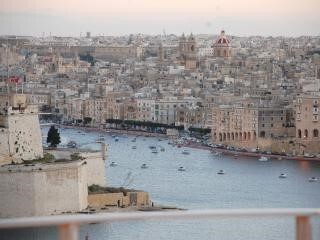
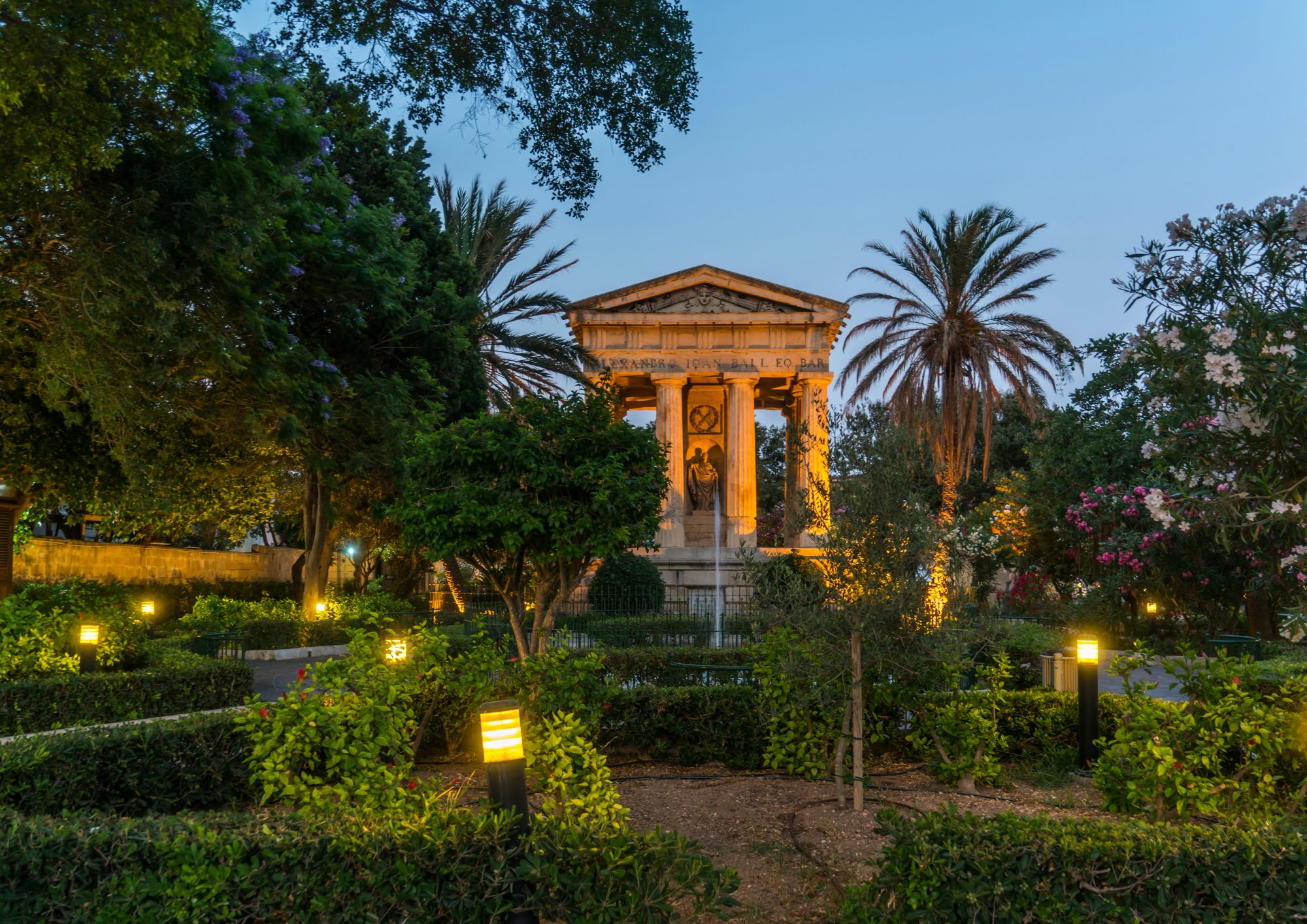
Valletta is Malta's capital and one of the most extraordinary places to live in the Mediterranean: a UNESCO World Heritage city built by the Knights of St John, contained entirely within sixteenth-century bastion walls and surrounded on three sides by the sea. It looks out over the Grand Harbour, widely regarded as one of the most beautiful natural harbours in the world and a major port of call for cruise ships. To live in Valletta is to live inside a monument, yet one that functions as a vibrant, walkable modern capital.
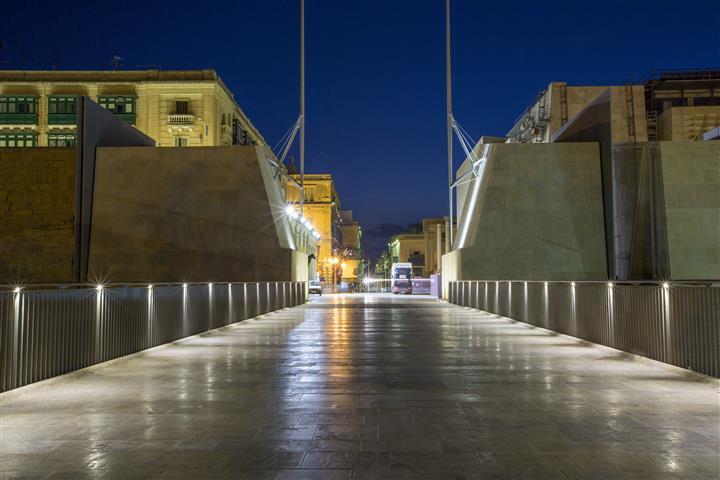
The city's grid of baroque streets descends from its central spine towards the Grand Harbour and Marsamxett, lined with palazzos, churches, gallariji — the traditional painted balconies — and an ever-richer offering of restaurants, wine bars, boutique hotels and cultural venues. Since its tenure as European Capital of Culture in 2018, Valletta’s renaissance has continued apace, bringing real energy to its evenings. Its central streets are largely pedestrianised, and the contemporary architecture of Renzo Piano — the City Gate, the Parliament building and the open-air theatre on the site of the former Royal Opera House — has given the historic core a striking modern counterpoint.
Living in Valletta appeals to buyers who value architecture, culture and atmosphere above all: professionals working in the city, international buyers seeking a restored palazzo apartment, and those who simply want to wake up inside one of Europe's great historic cities.
Location & Connectivity
Valletta sits at the head of Malta's two great natural harbours, with the rest of the island radiating outward from it.
Approximate drive times:
• Floriana: 5 minutes
• Sliema: 15 minutes by car, or 15 minutes by ferry
• The Three Cities: 10 minutes by car, or minutes by traditional dgħajsa across the Grand Harbour
• Malta International Airport: 15–20 minutes
• Nearest sandy beach (Golden Bay): 30 minutes; harbour lidos and rock swimming nearby
• Mater Dei Hospital: 15 minutes
As the island's transport hub, Valletta is the best-connected address in Malta. Virtually every bus route terminates at its gates, ferries cross to Sliema and the Three Cities throughout the day, and the fast ferry to Gozo departs from the Grand Harbour. A more recent ferry service has further improved connectivity, linking Valletta with Sliema, Buġibba and Gozo. Malta International Airport, with direct flights to more than 100 European destinations, is under twenty minutes away.
Valletta is a city for walking, and most residents live happily without using a car daily. Vehicle access is regulated by a CVA (Controlled Vehicular Access) system, and parking within the walls is scarce; the MCP car park and park-and-ride facilities in Floriana serve residents and visitors. Buyers who require parking should treat a garage or allocated space as a rare and valuable feature.
What Is It Really Like to Live in Valletta?
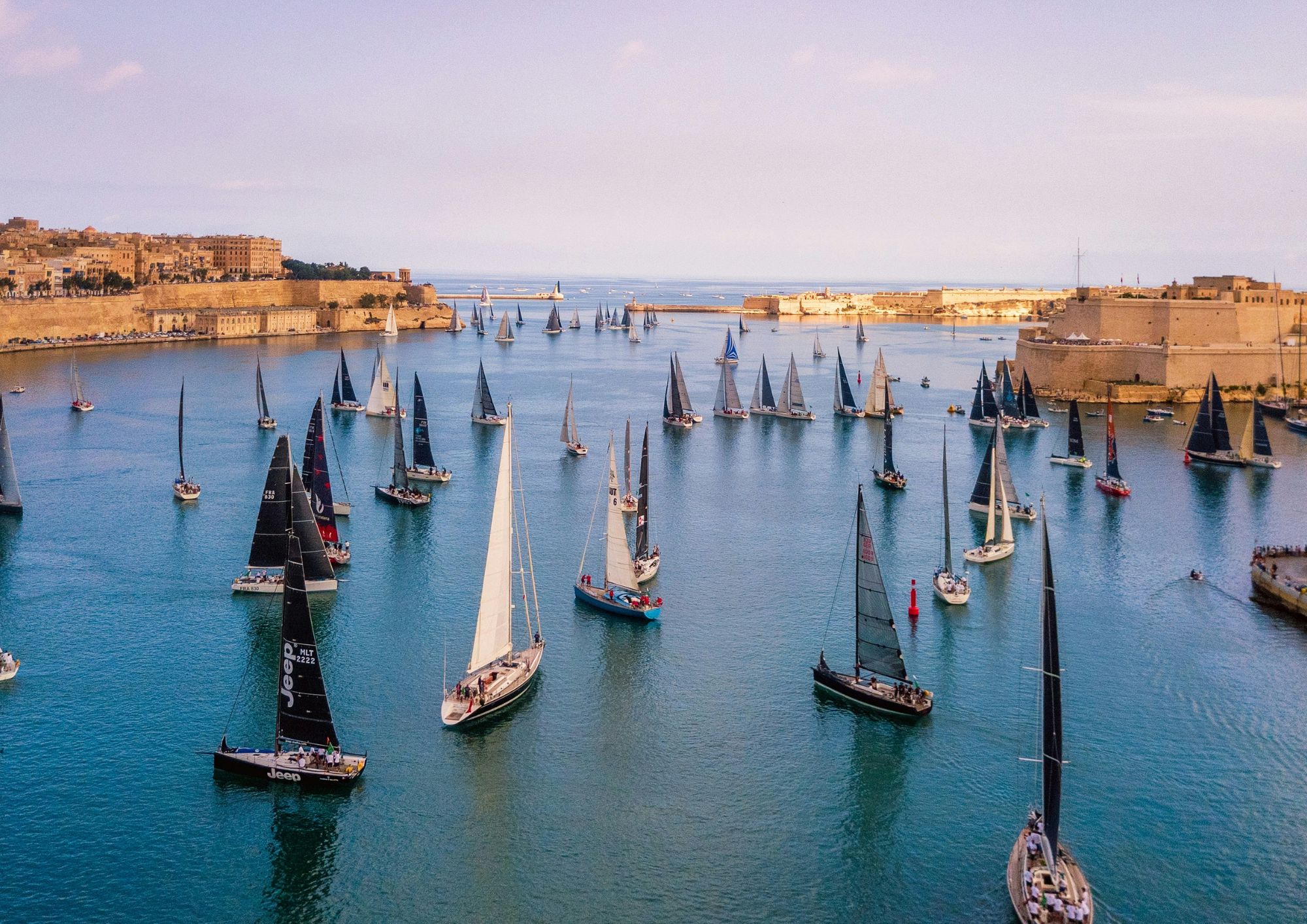
Life in Valletta is urban living of a singular kind. Everything is on foot: the office, the market, the theatre, the harbour. The city compresses an astonishing cultural offering into less than a square kilometre, from the Manoel Theatre and St John’s Co-Cathedral to MUŻA – Malta’s National Museum of Art and the nearby MICAS, Malta’s international contemporary art space. The calendar is full year-round, with the Valletta Baroque Festival, the Malta Jazz Festival and frequent concerts staged at the Granaries in Floriana, just outside the city gates. Green spaces such as the Upper Barrakka Gardens regularly host food and wine festivals, while the Grand Harbour provides a spectacular setting for events including the start and finish of the Rolex Middle Sea Race.
Valletta has enjoyed a remarkable resurgence over the past decade, and its evenings now have real energy, with a wide variety of cafés and restaurants and a bar scene around Strait Street, Merchants Street and the lower town that has become one of the finest in Malta. Yet the city is a study in contrasts: although it can seem lively and bustling thanks to its restaurants, music and visitors, its residential streets are in fact remarkably quiet and peaceful, often just a few minutes’ walk from the busiest quarters. Residents can choose the buzz of an evening out or the stillness of a side street at will. The community of full-time residents is small, characterful and growing, mixing long-standing Beltin (as people living in Valletta are referred to) families with newer arrivals restoring historic apartments.
The practicalities should be weighed: stairs are a fact of life in many historic buildings, lifts are not universal, deliveries and parking require patience, and summer days bring crowds. For most who choose to live within the walls, these are a small price to pay for an address quite unlike any other in Malta.
Who Does Valletta Suit Best?
Valletta is particularly well suited to:
• Buyers seeking historic character and architectural distinction
• Professionals working in the capital
• International buyers seeking a cultural, walkable base
• Investors in restored period property
• Residents who value culture, dining and harbour views
It is generally less suitable for buyers needing gardens, easy parking, or large modern family homes.
Property Market Overview
Renting and Buying Property in Valletta
Buying Property in Valletta
Valletta's property market is unlike any other in Malta: finite, protected and defined by heritage, with demand for well-restored period homes consistently outstripping supply.
Property types commonly found in the area include:
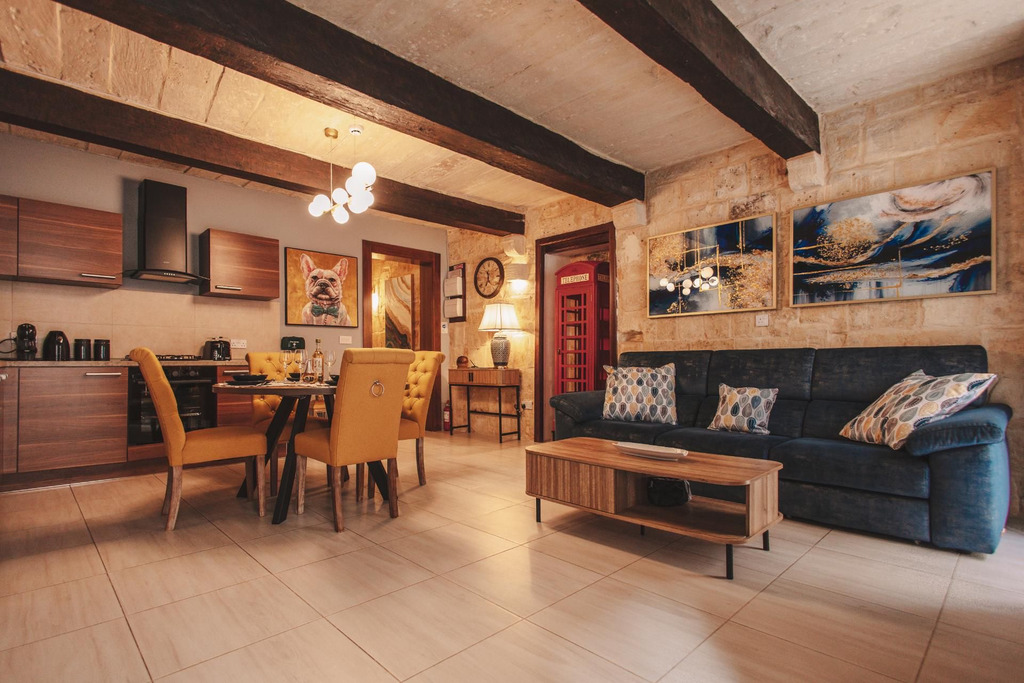
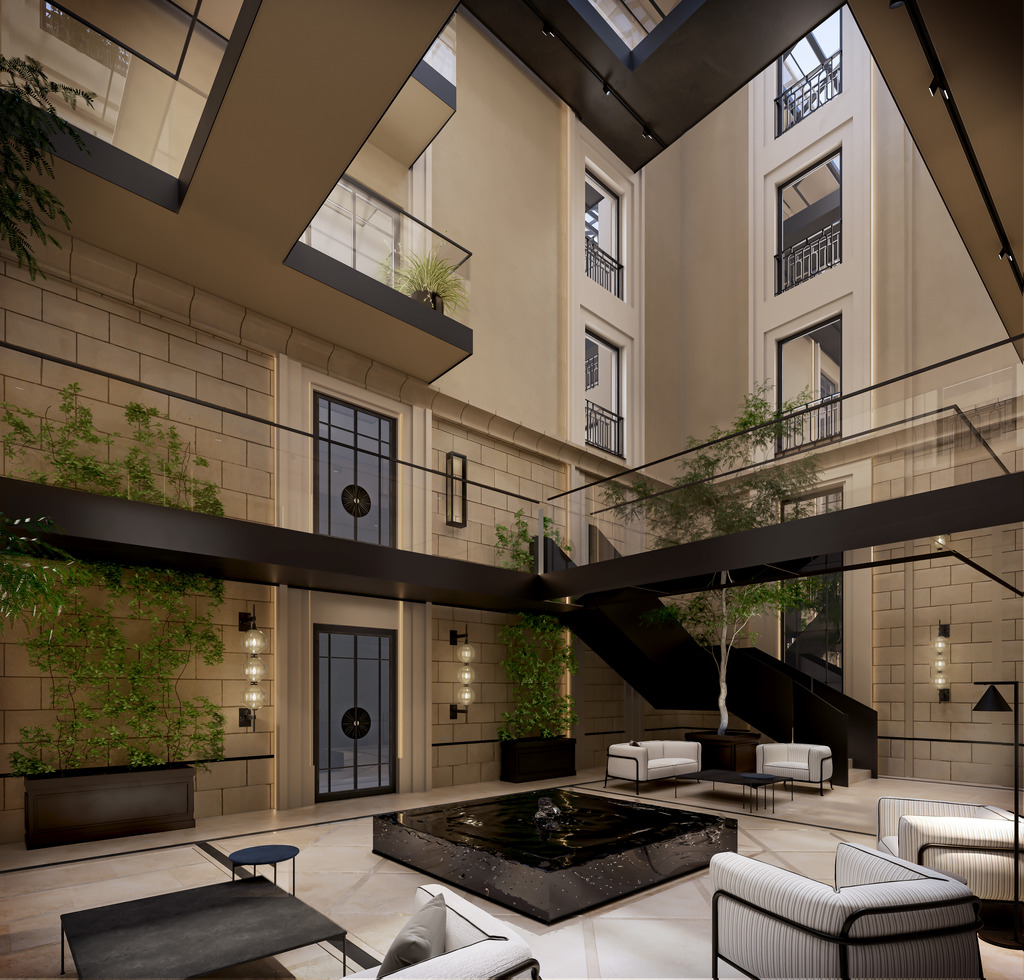
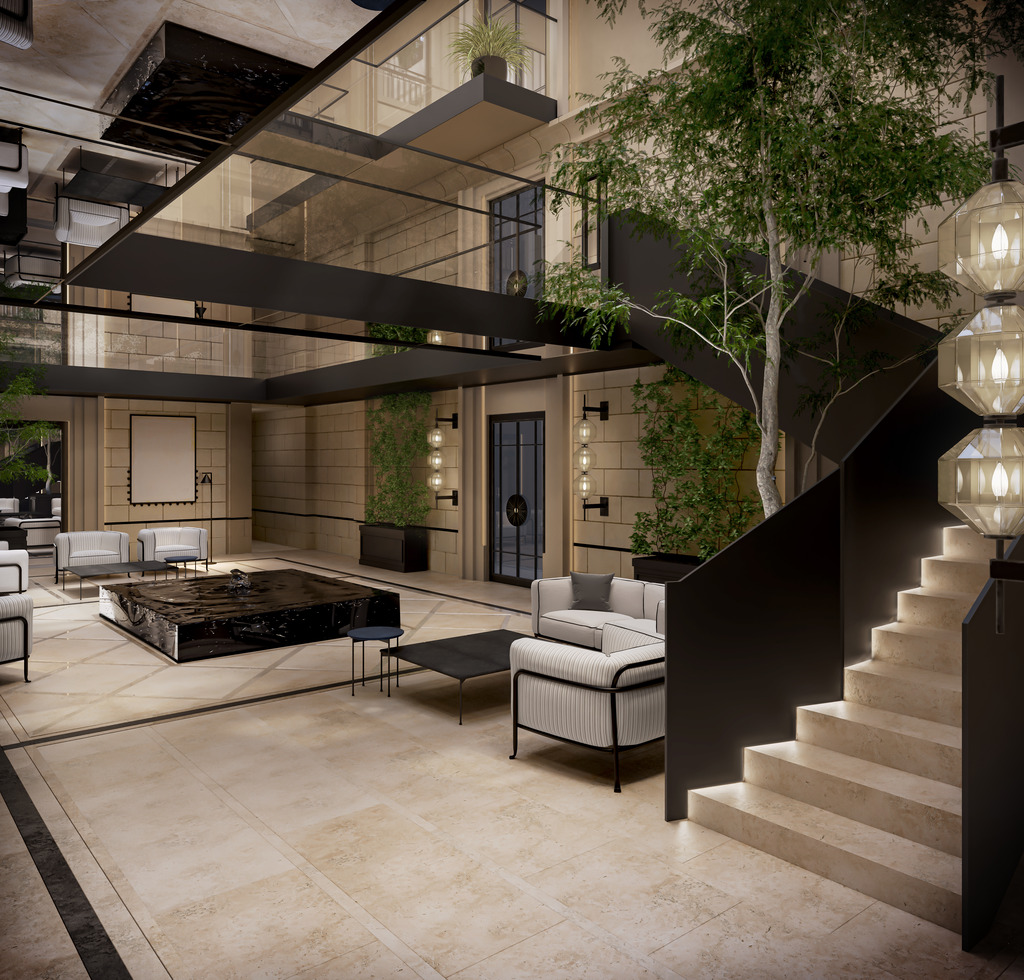
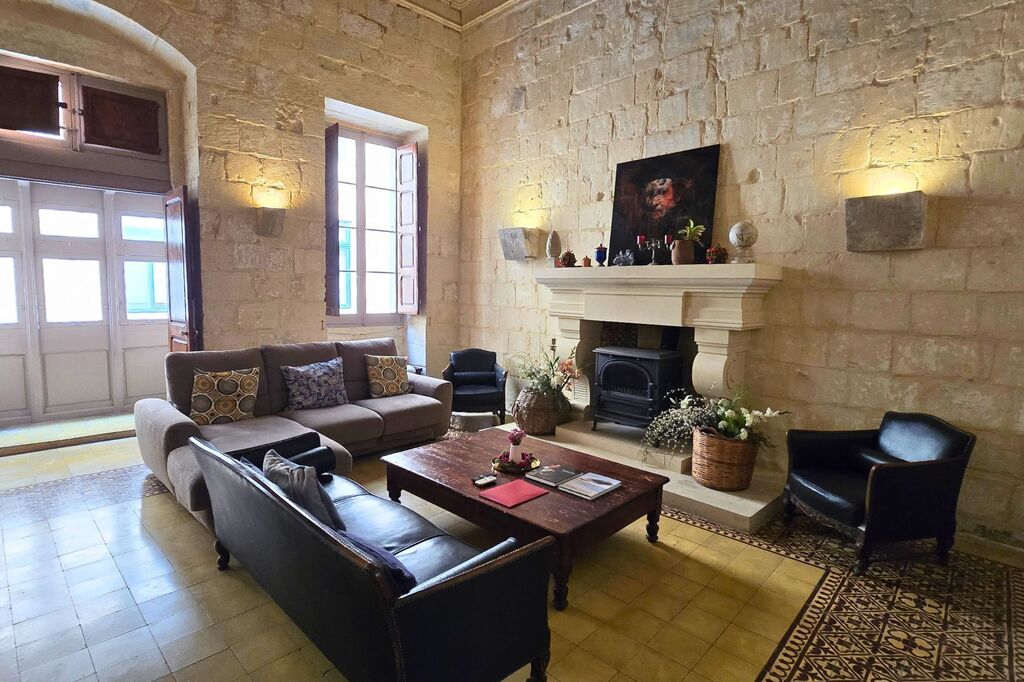
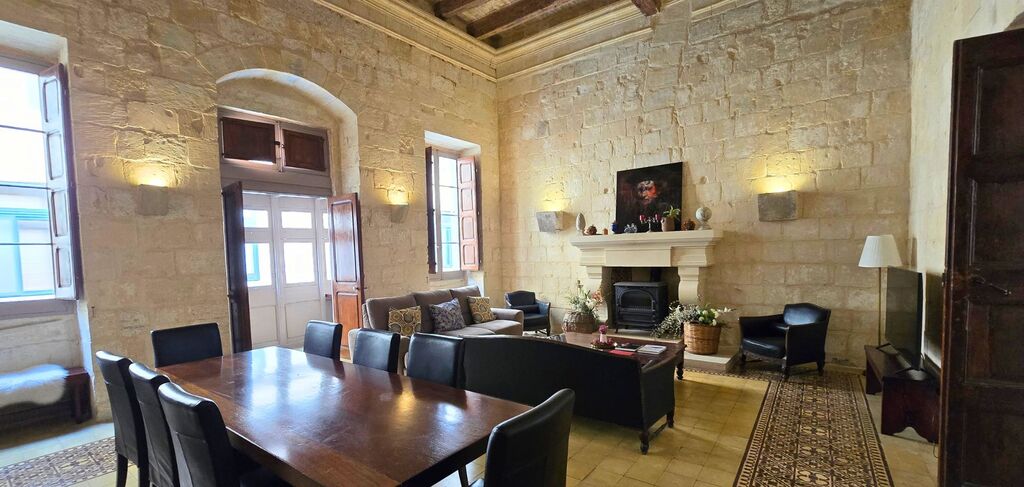
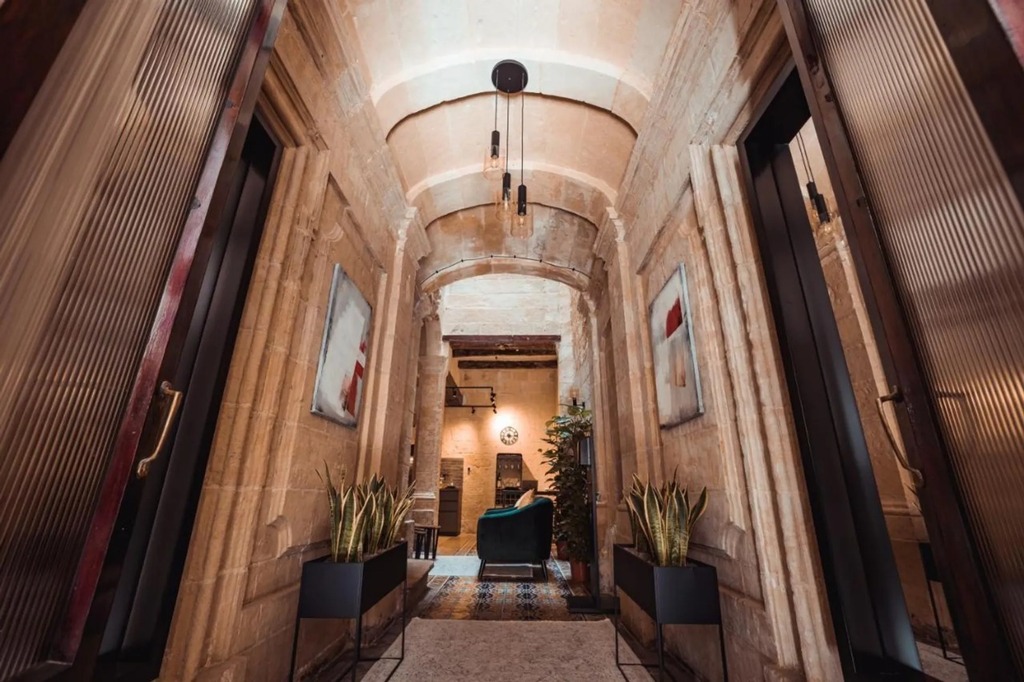
• Apartments within converted palazzos
• Townhouses and houses of character
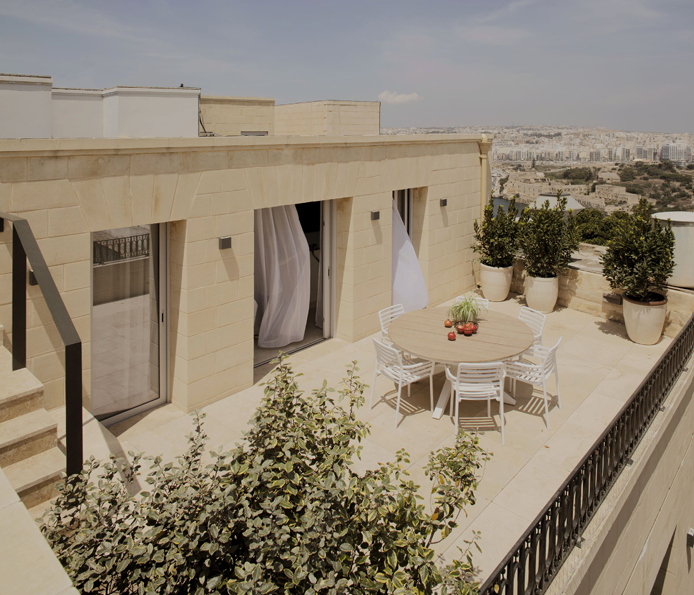
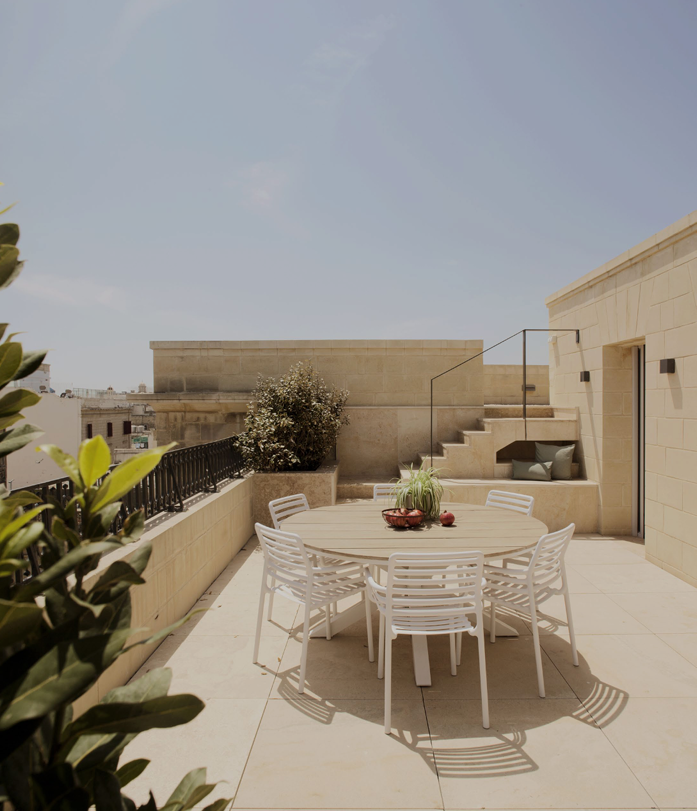
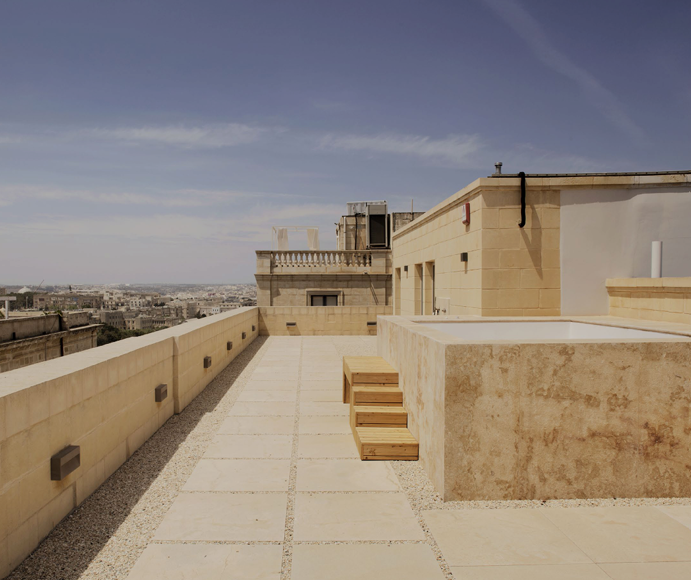
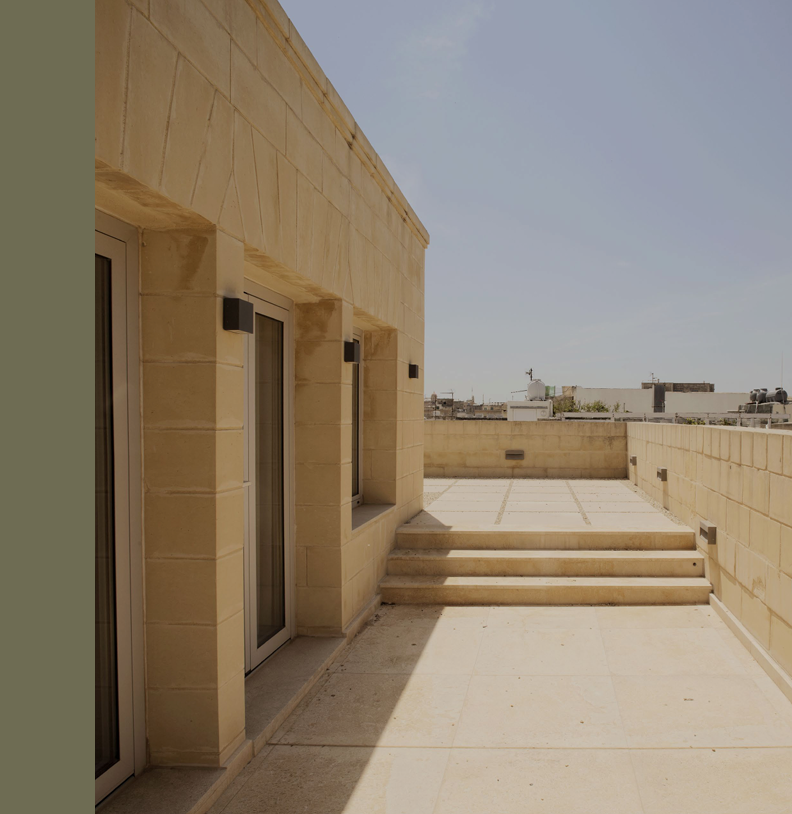
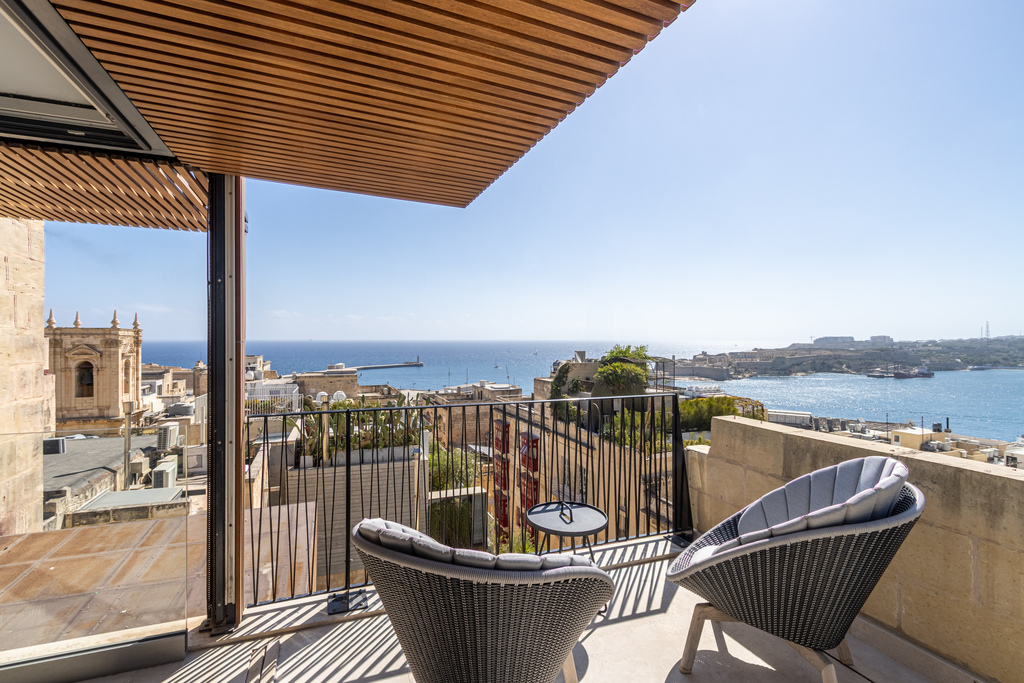
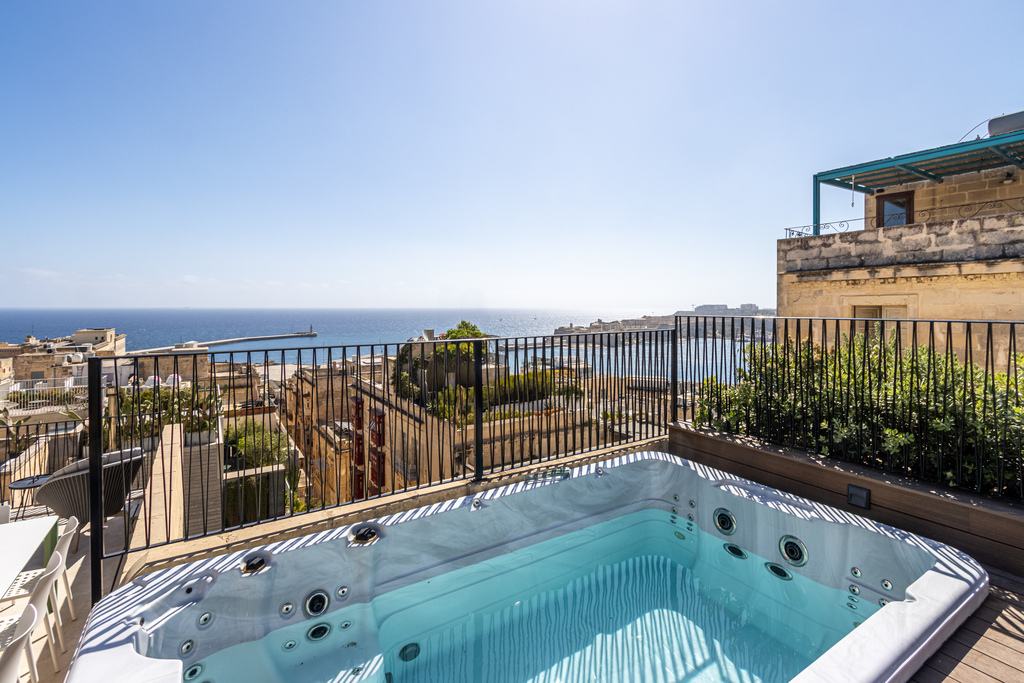
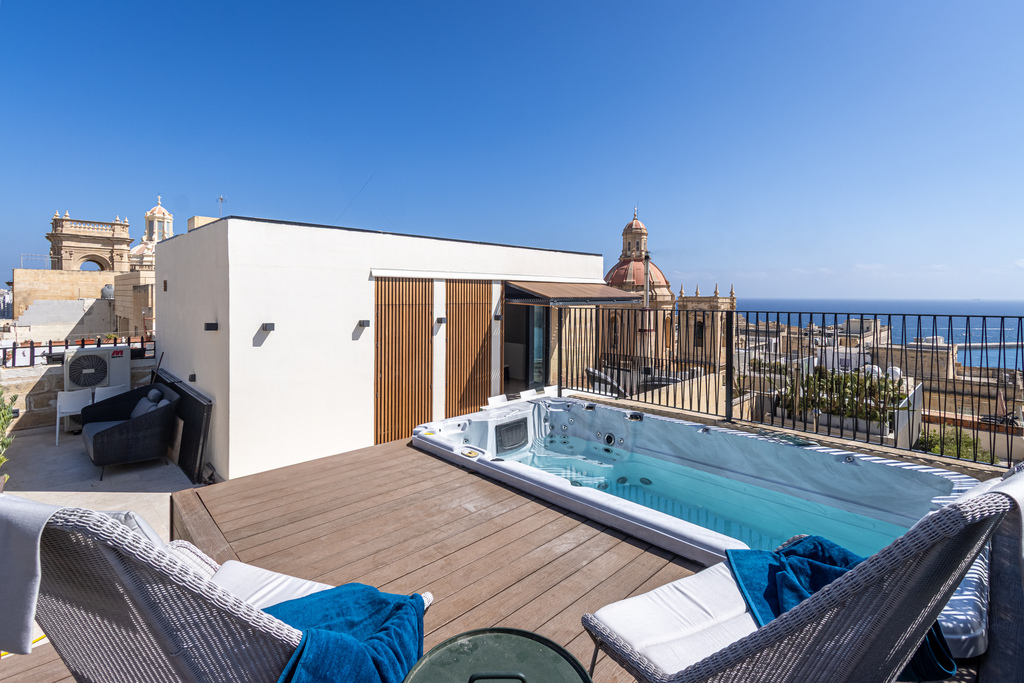
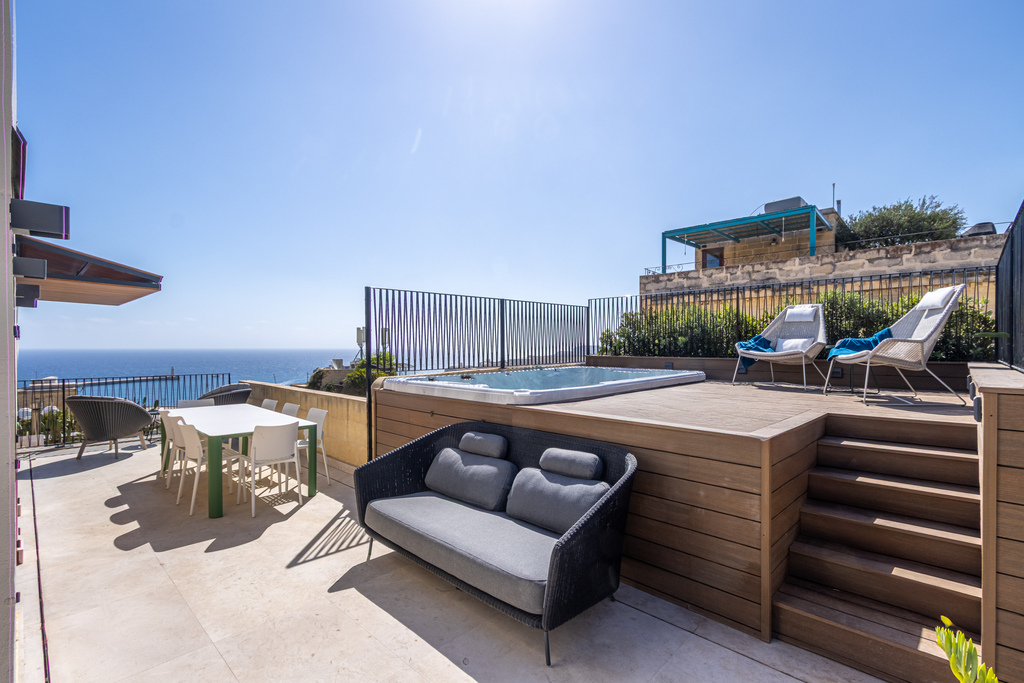
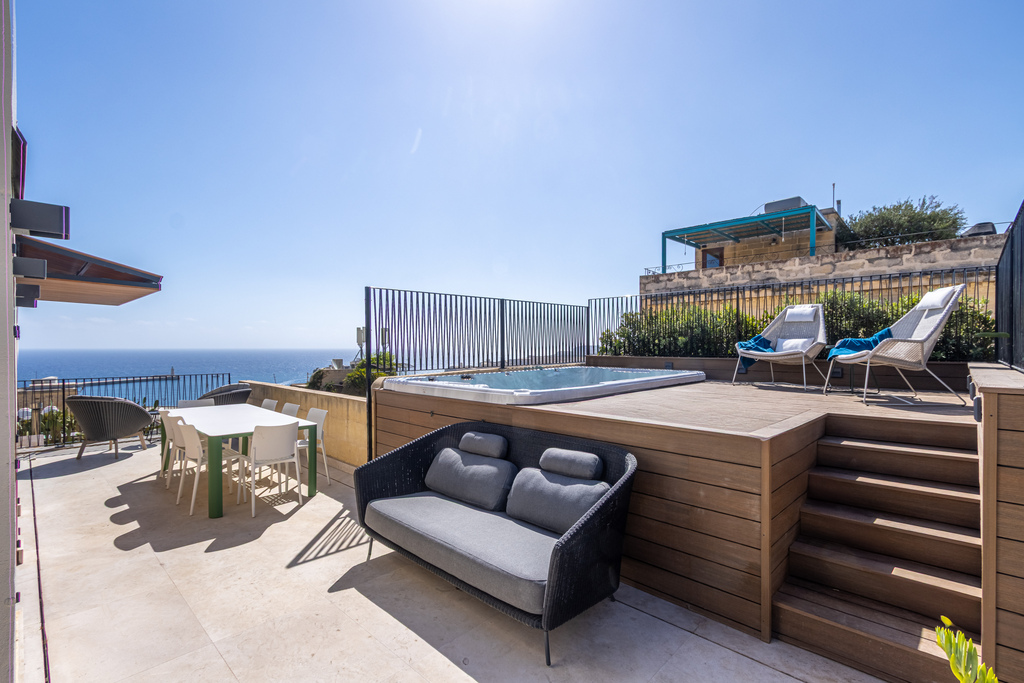
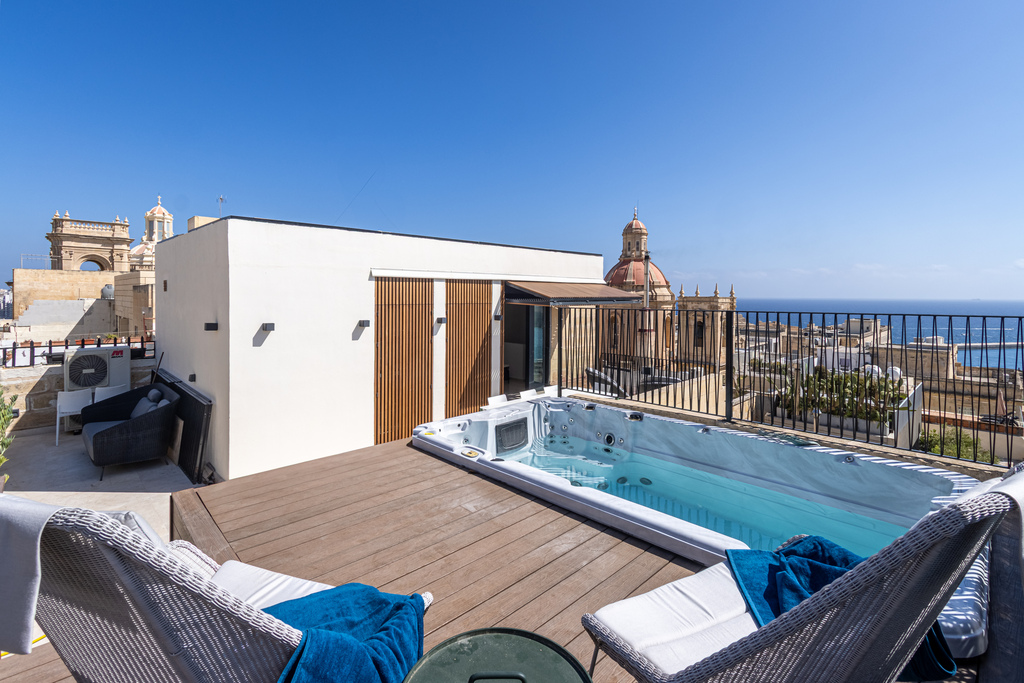
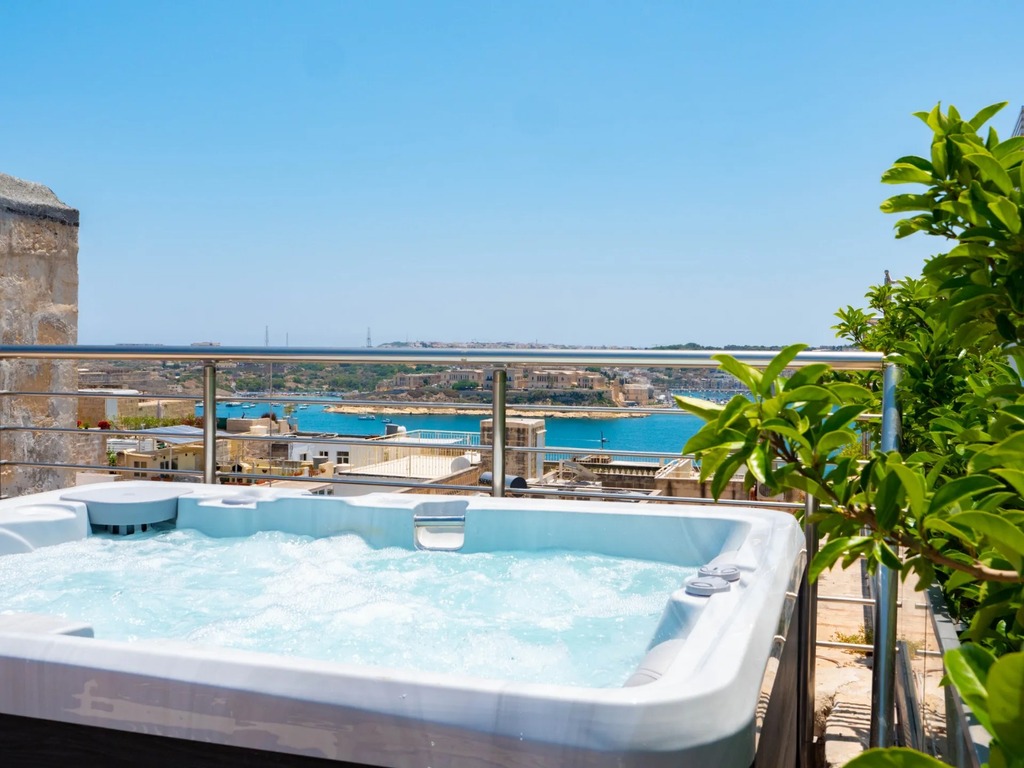
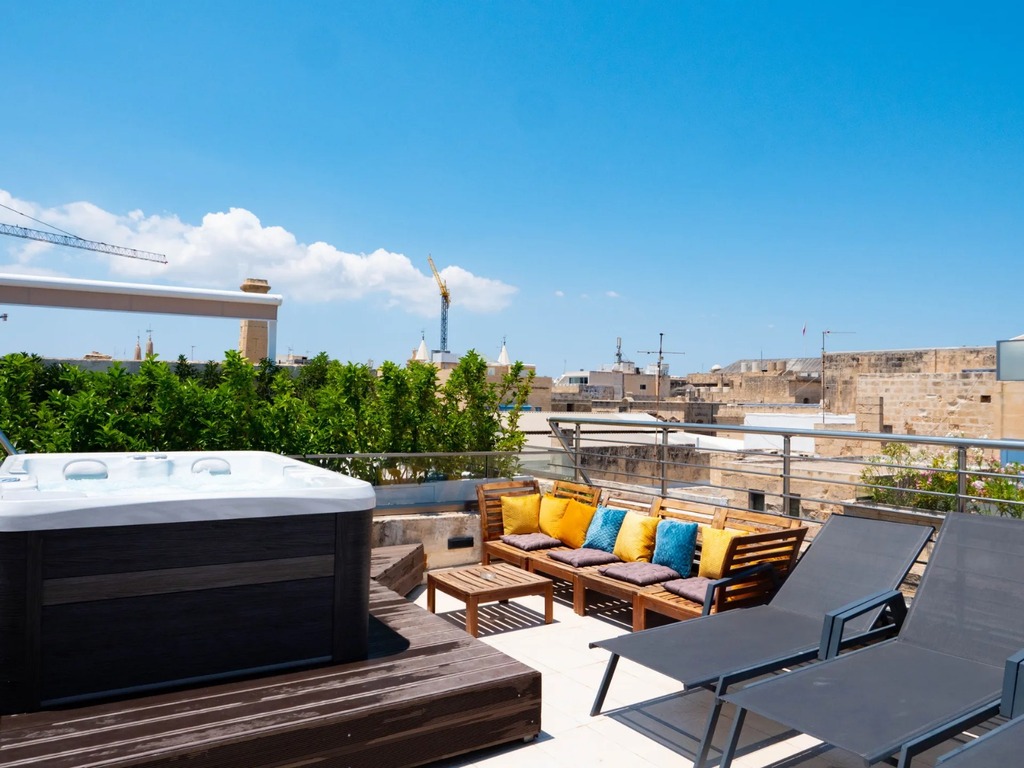
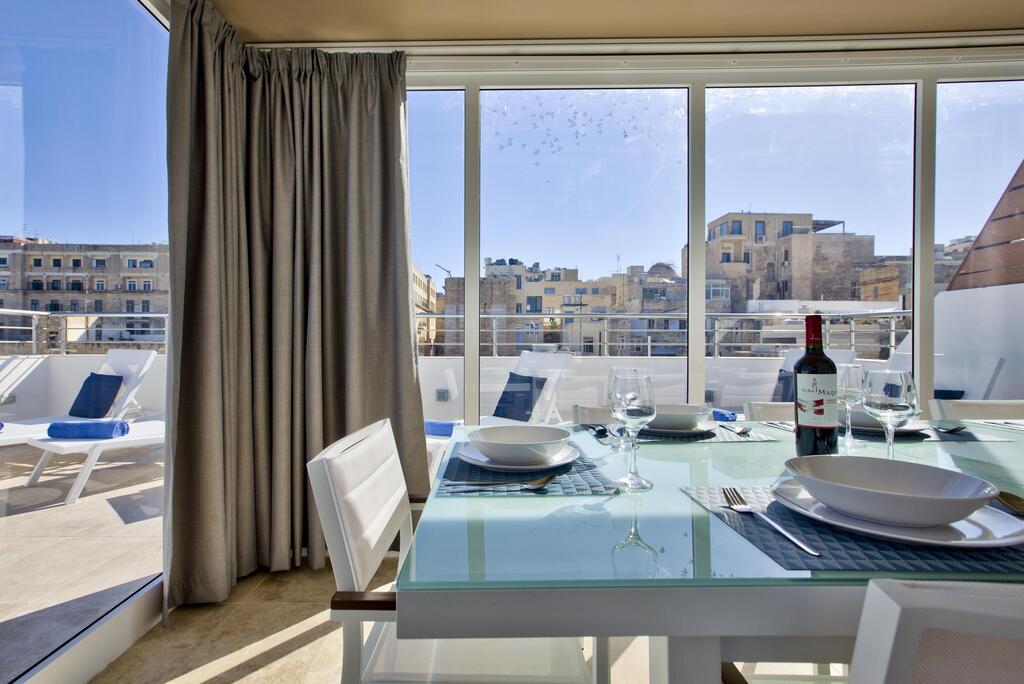
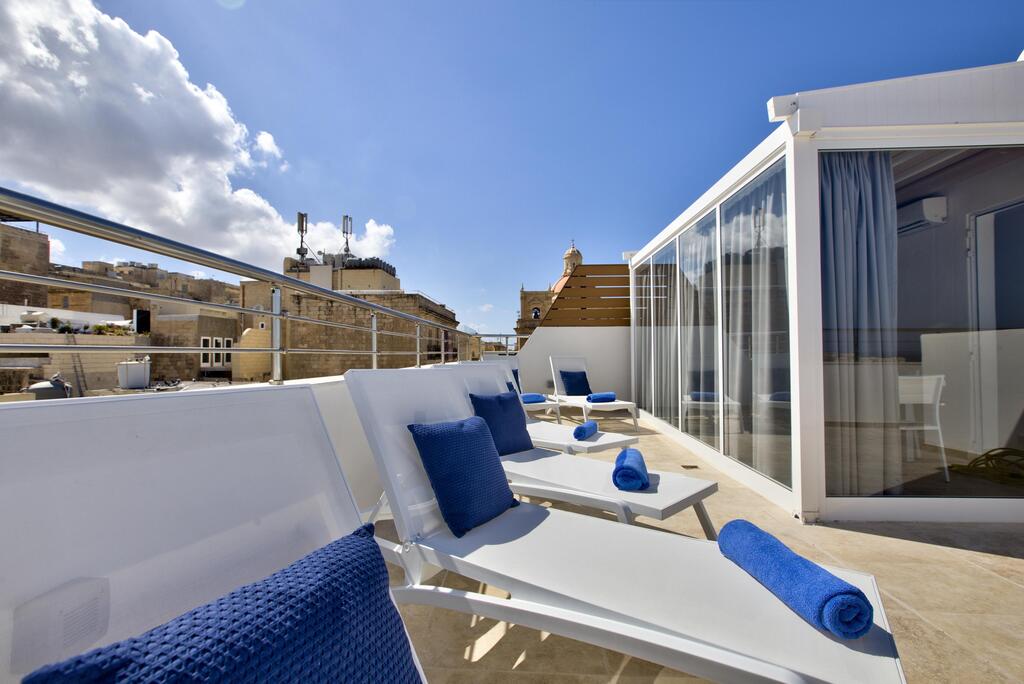
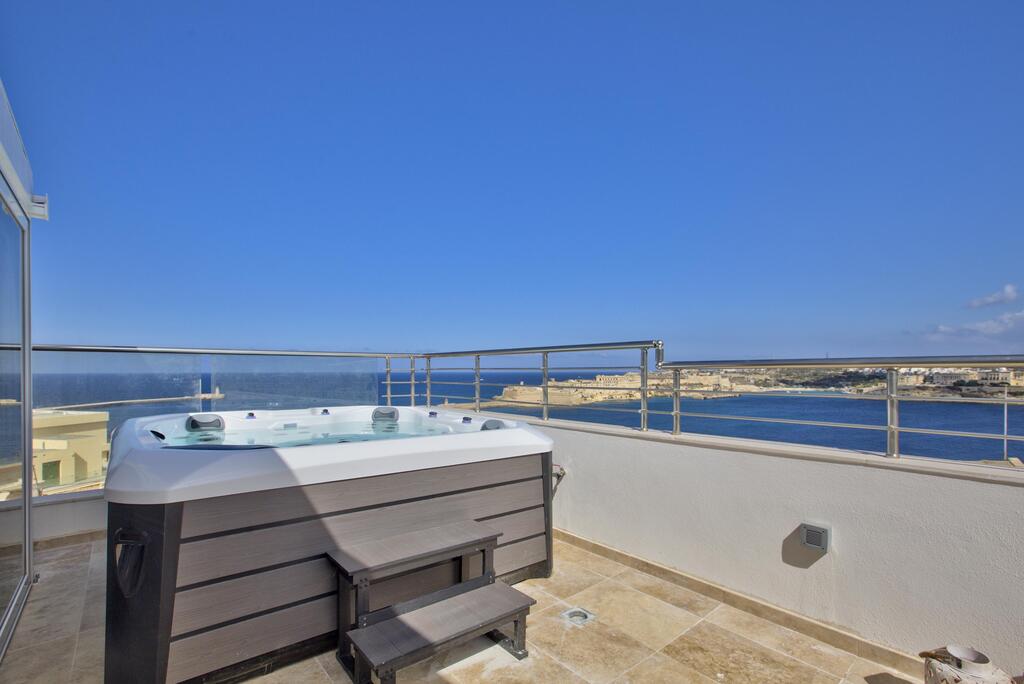
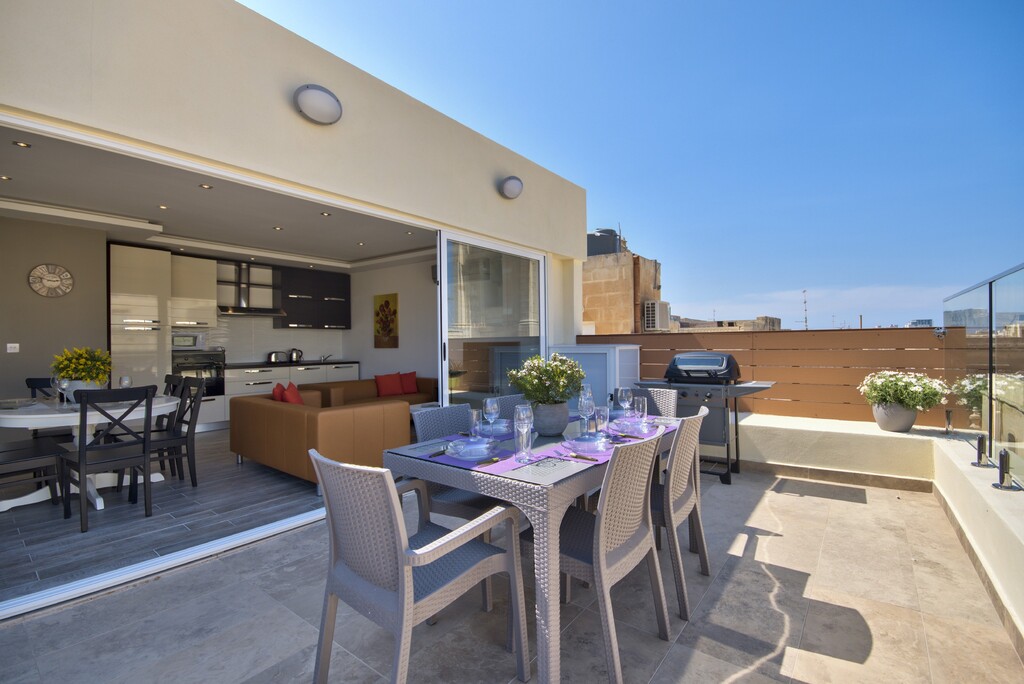
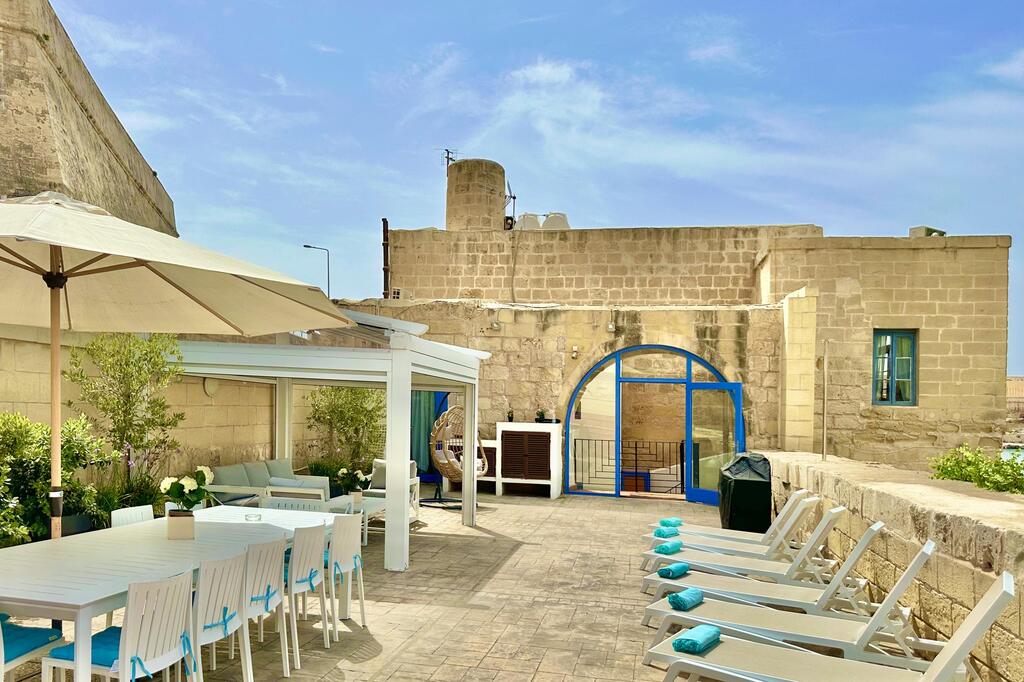
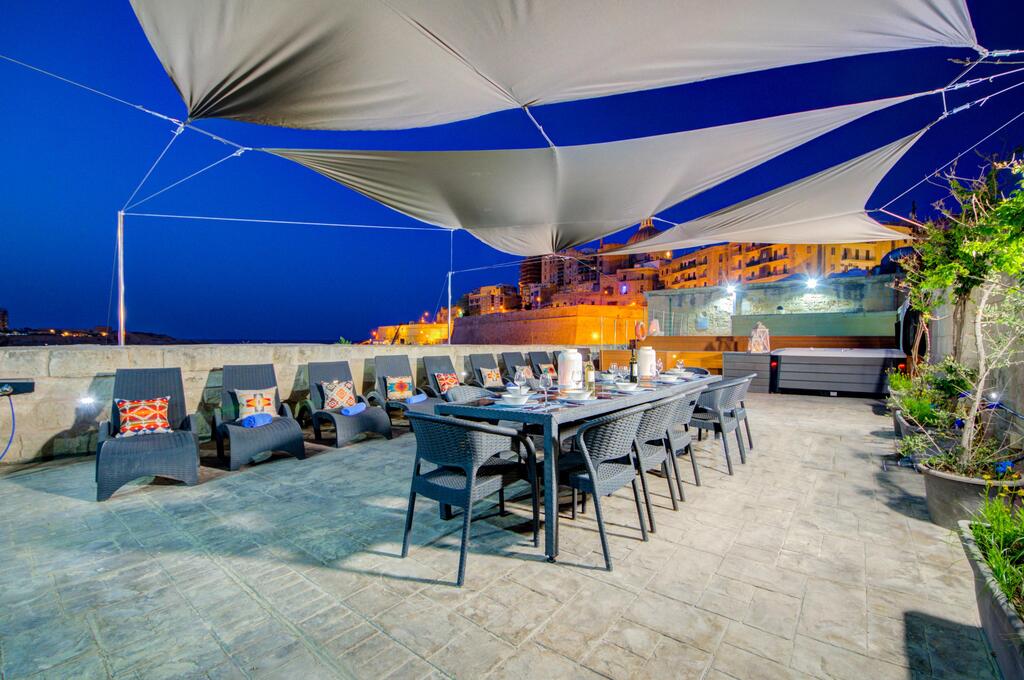
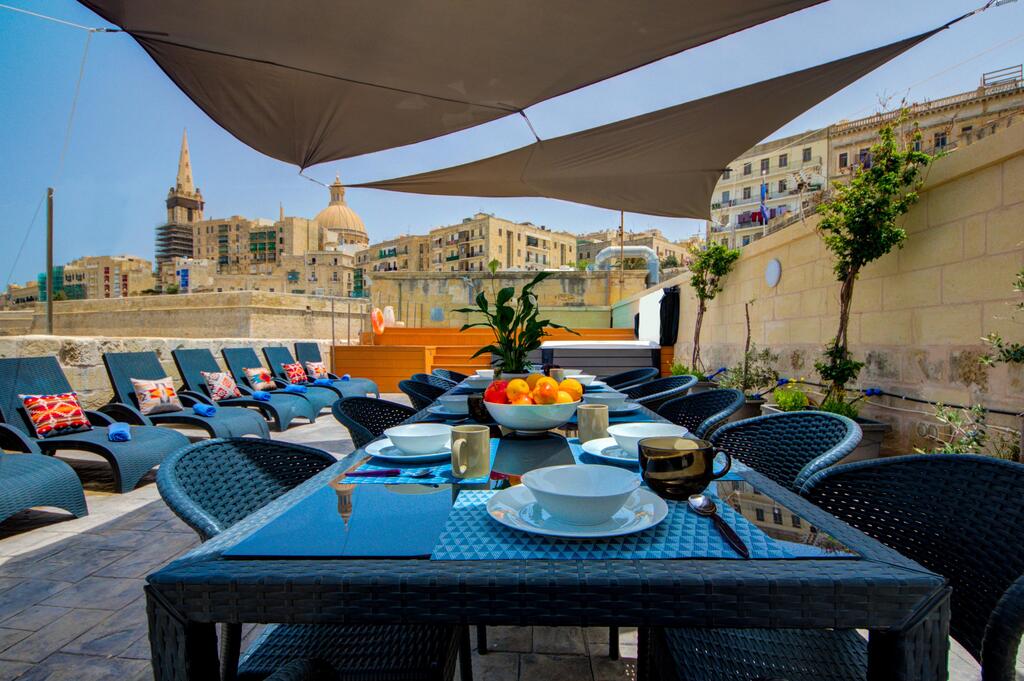
• Penthouses and upper-floor apartments with harbour views
• Palazzos, whole or in part, for restoration
• Boutique commercial and mixed-use opportunities
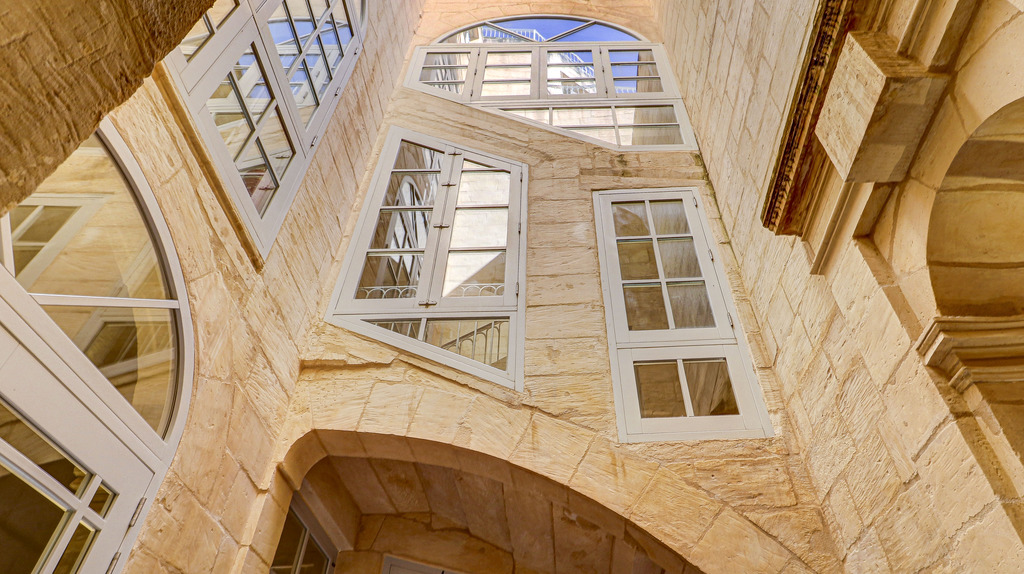
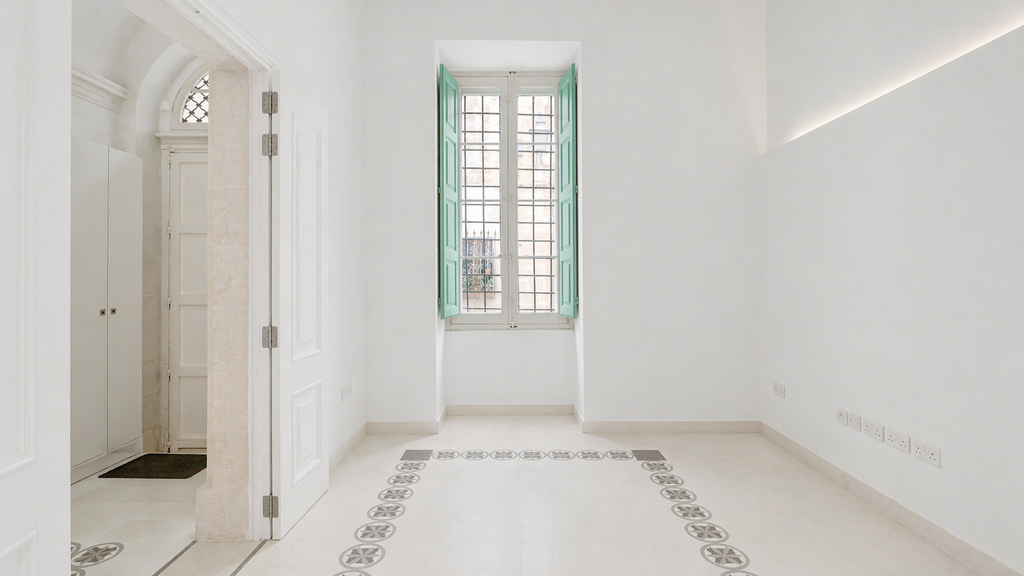
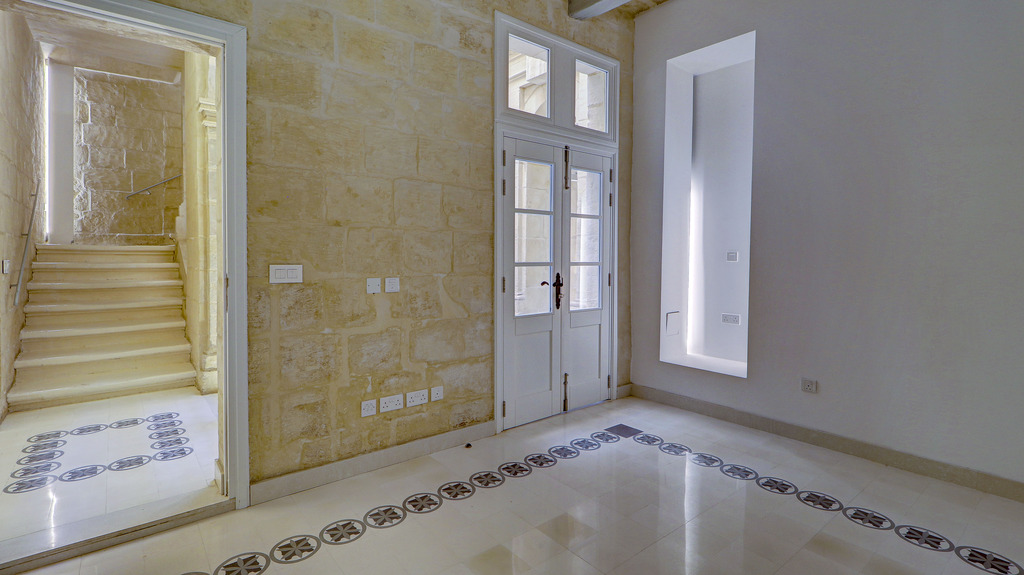
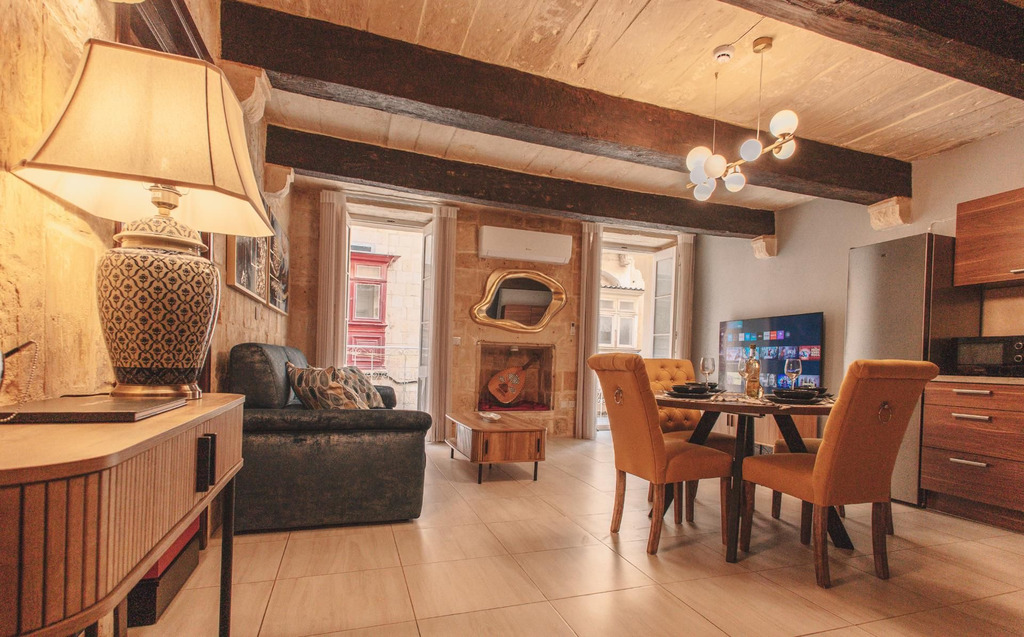
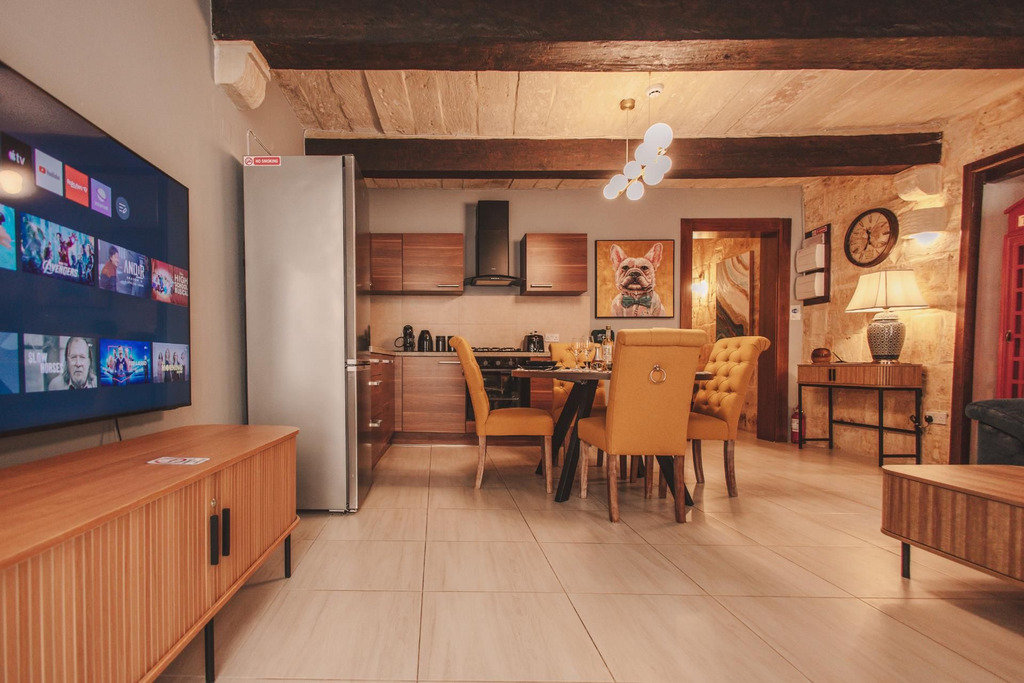
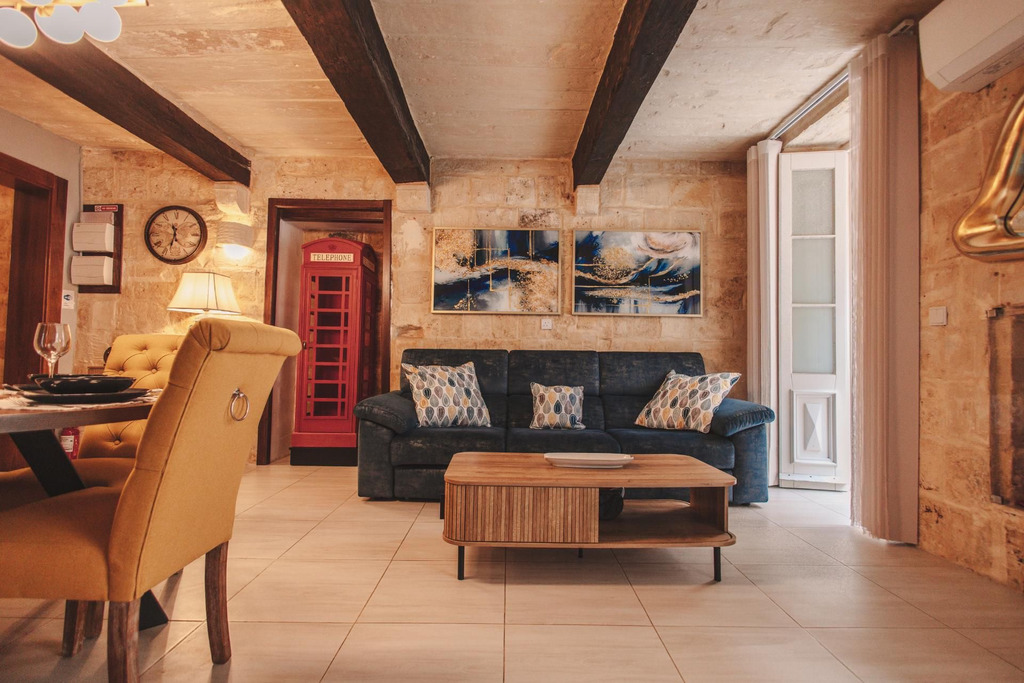
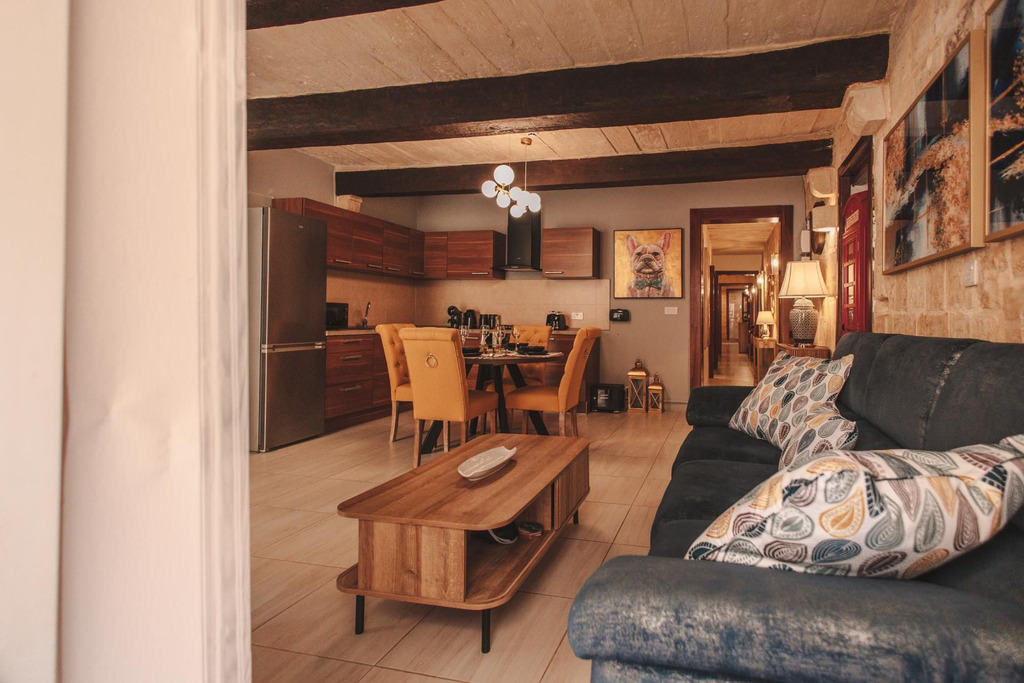
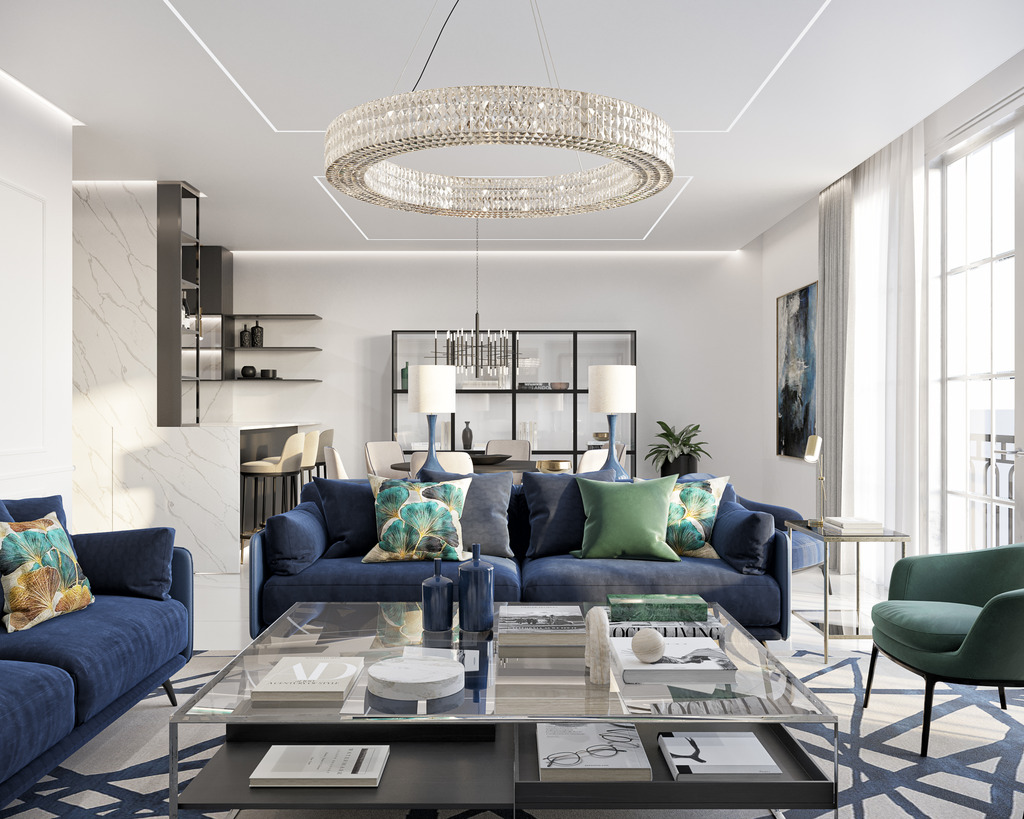
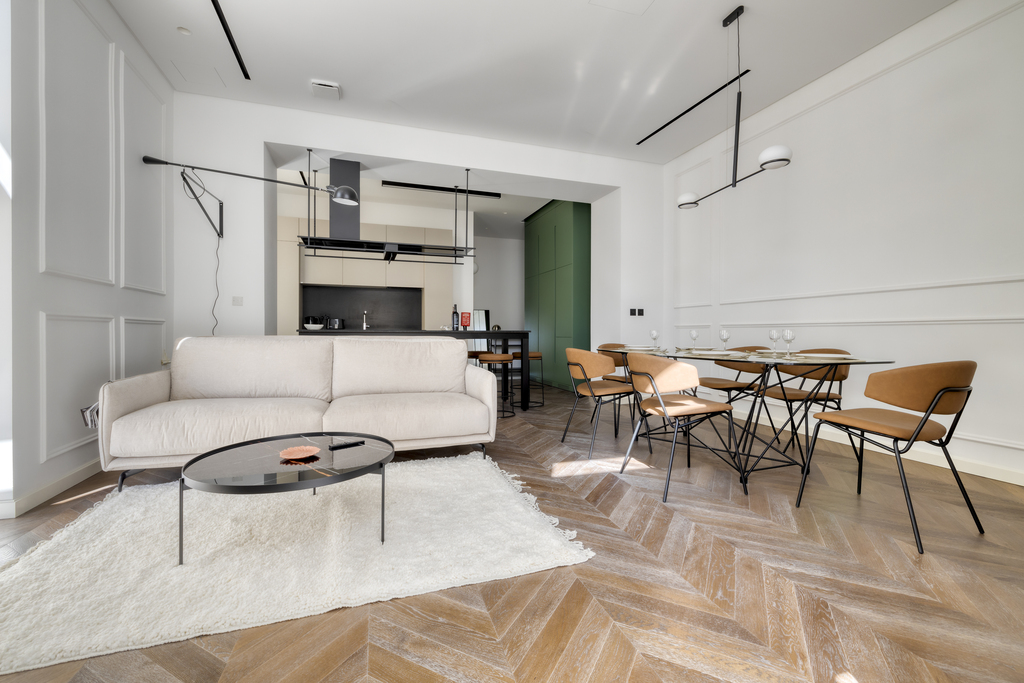
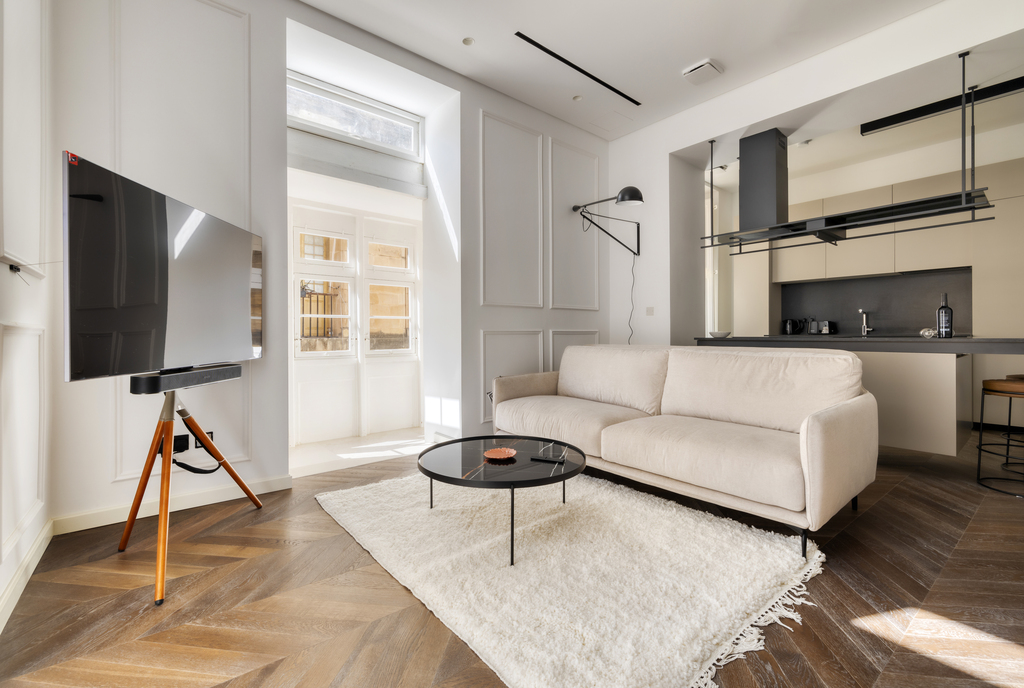
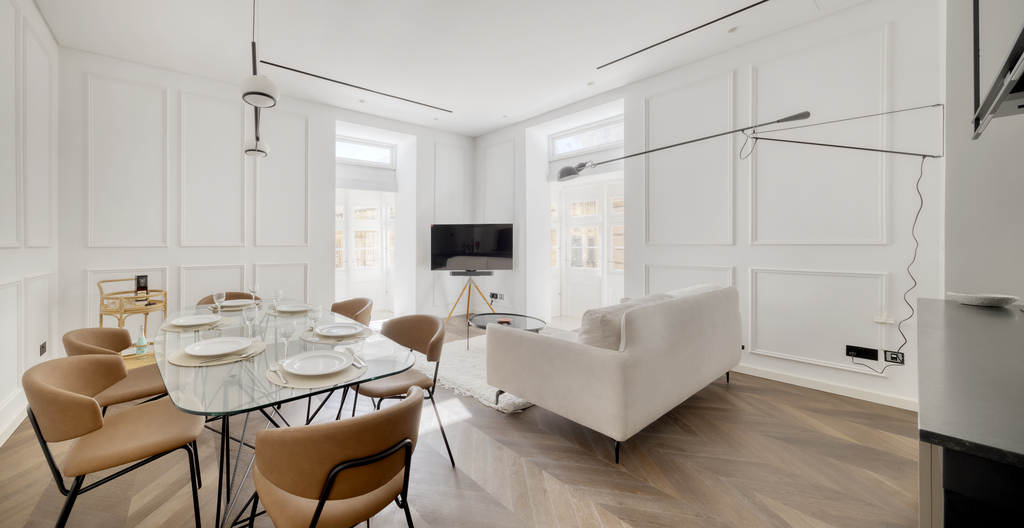
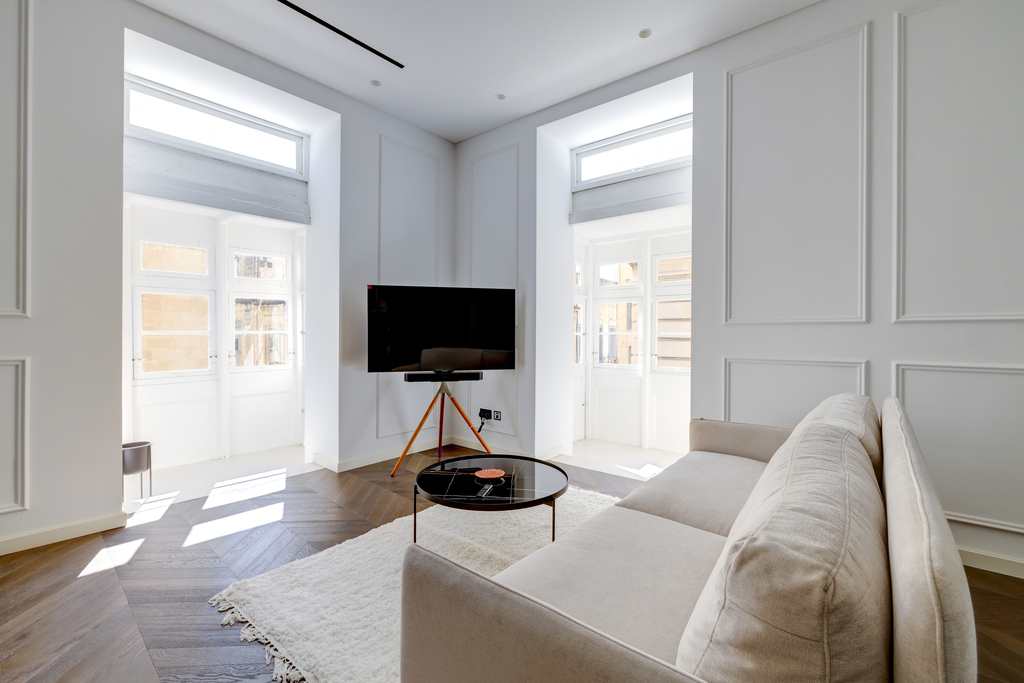
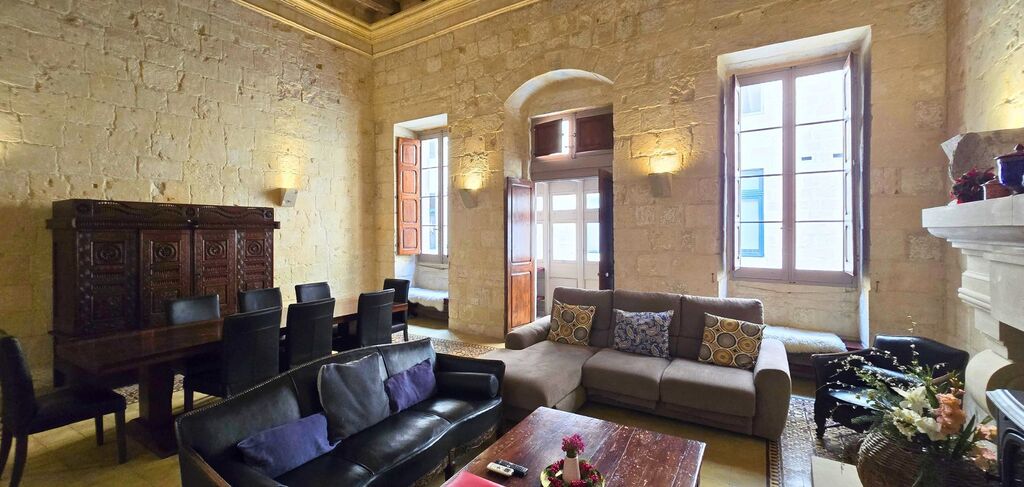
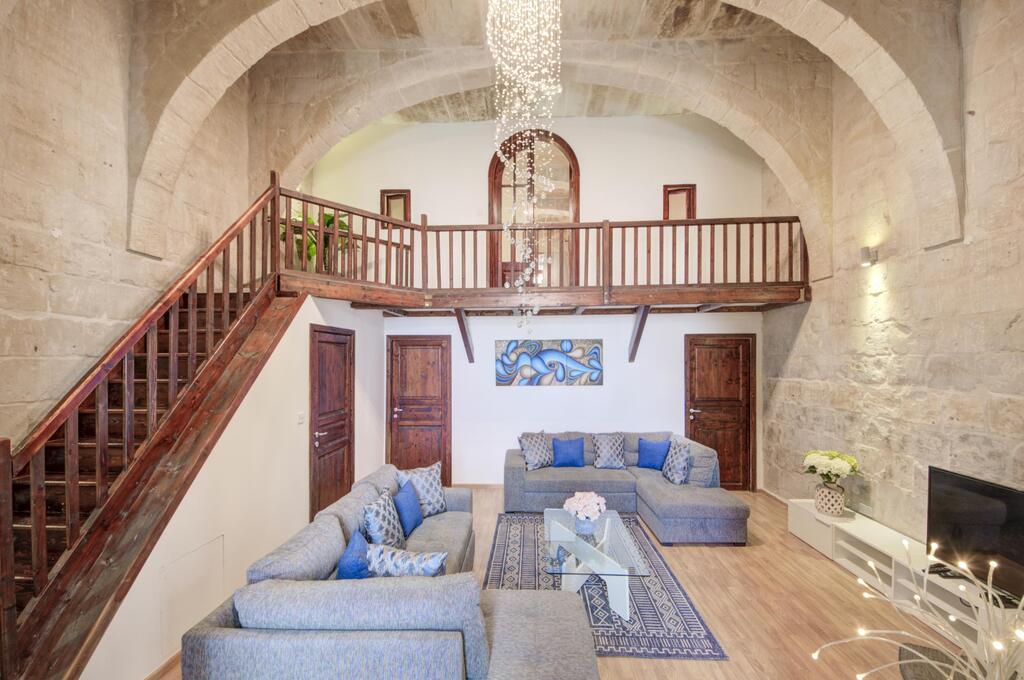
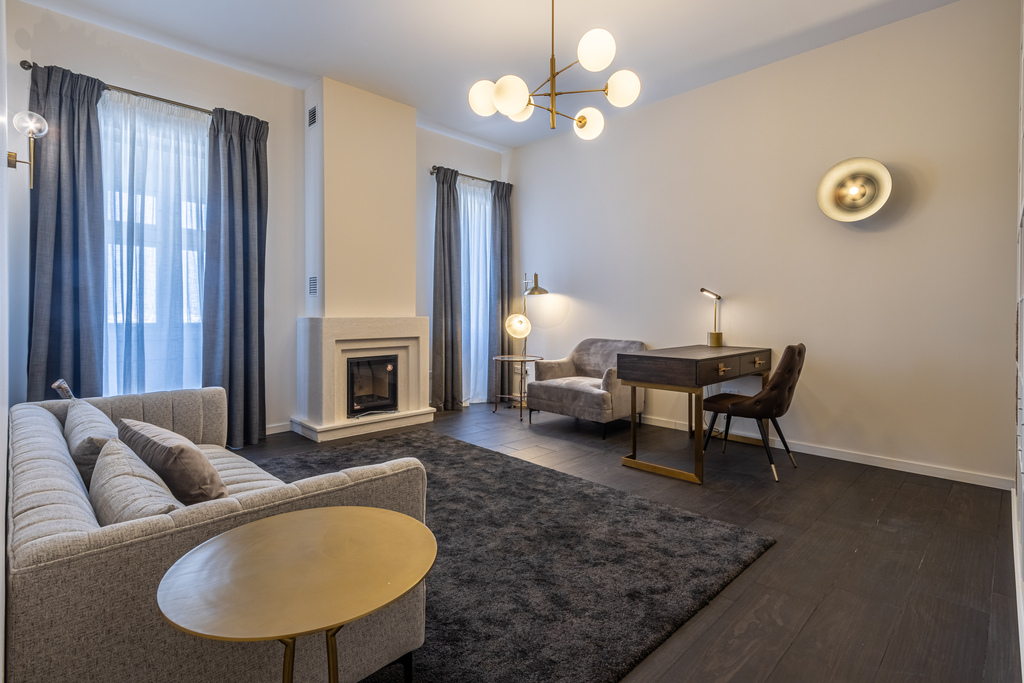
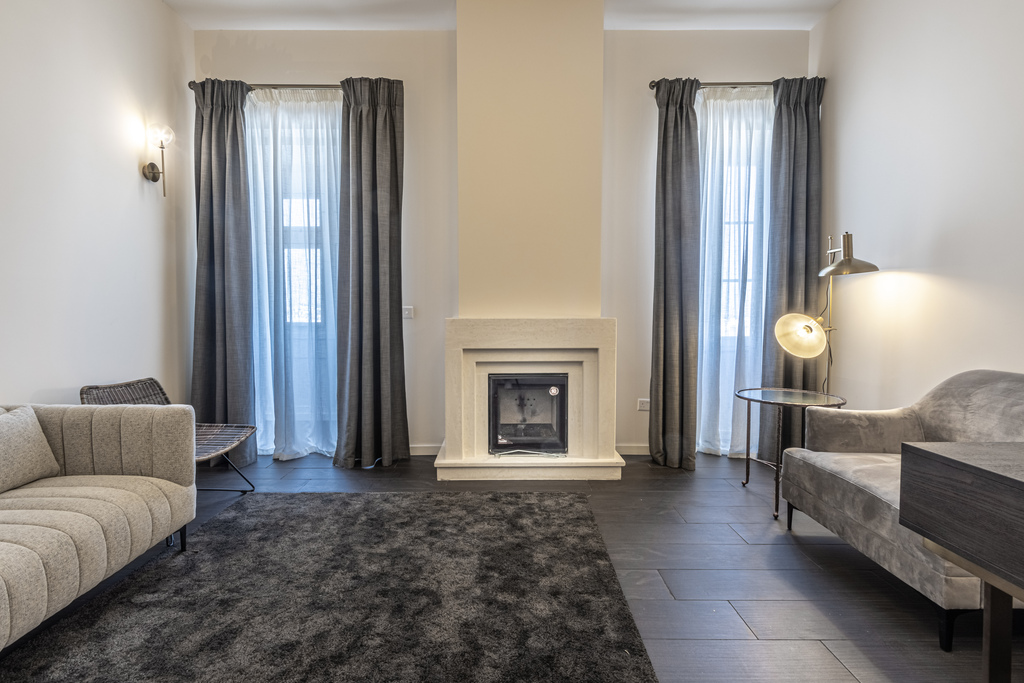
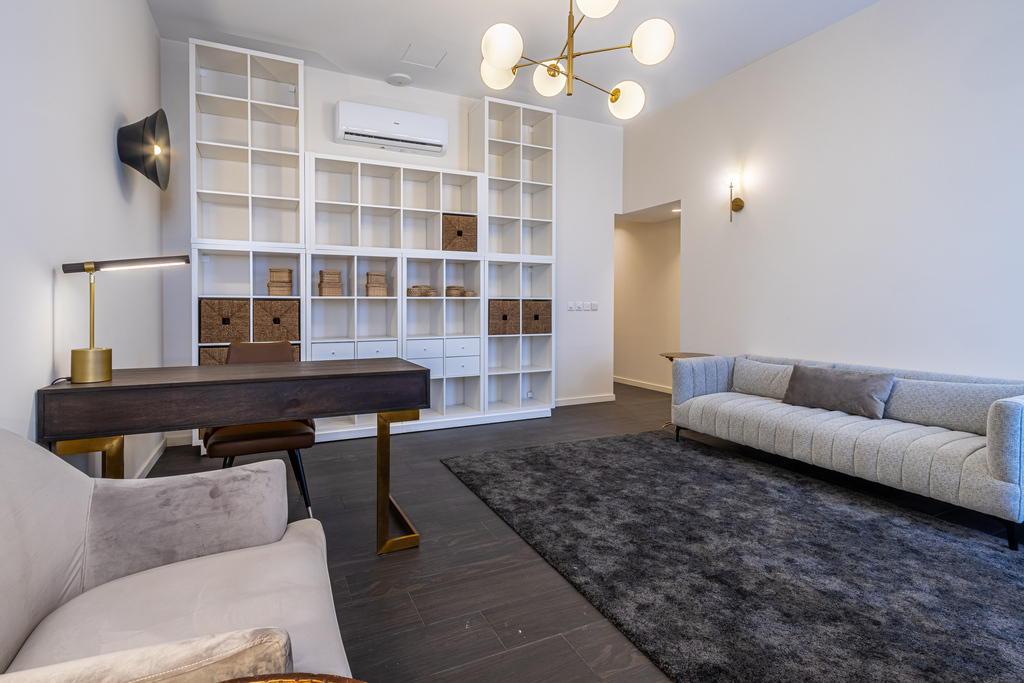
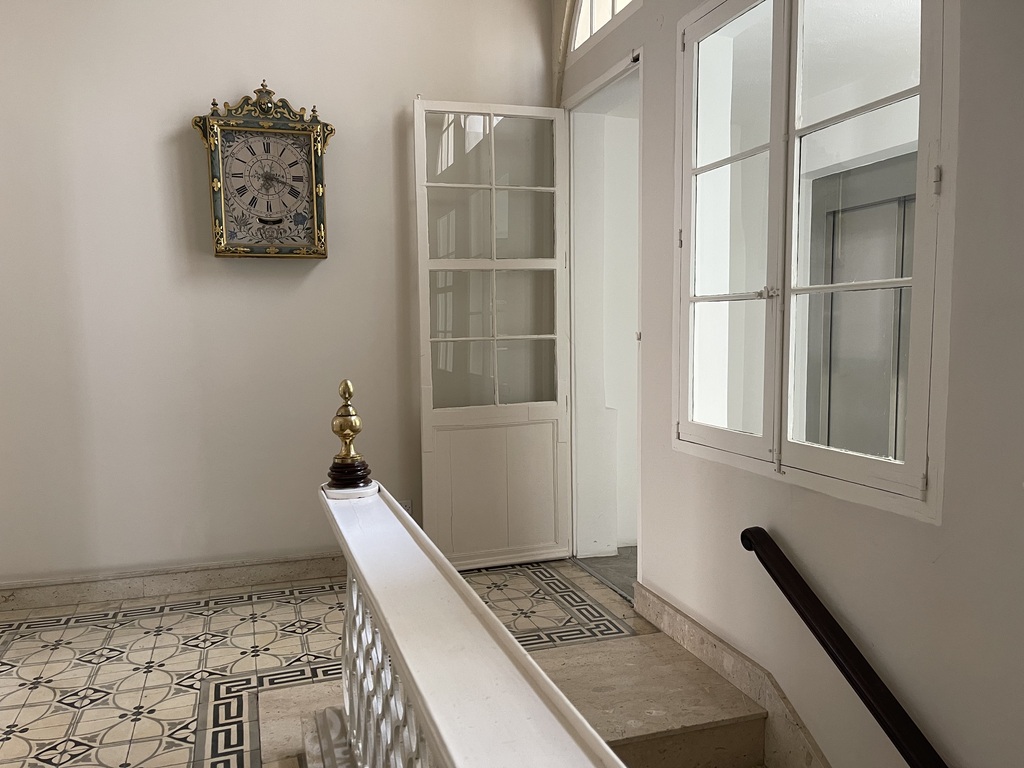
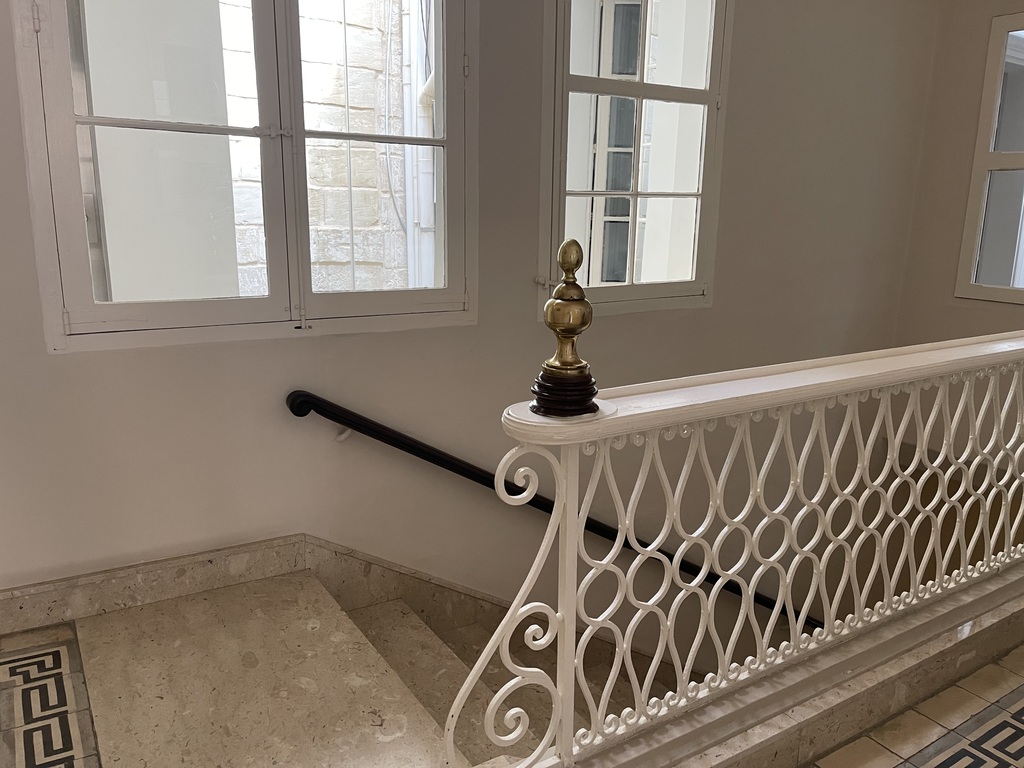
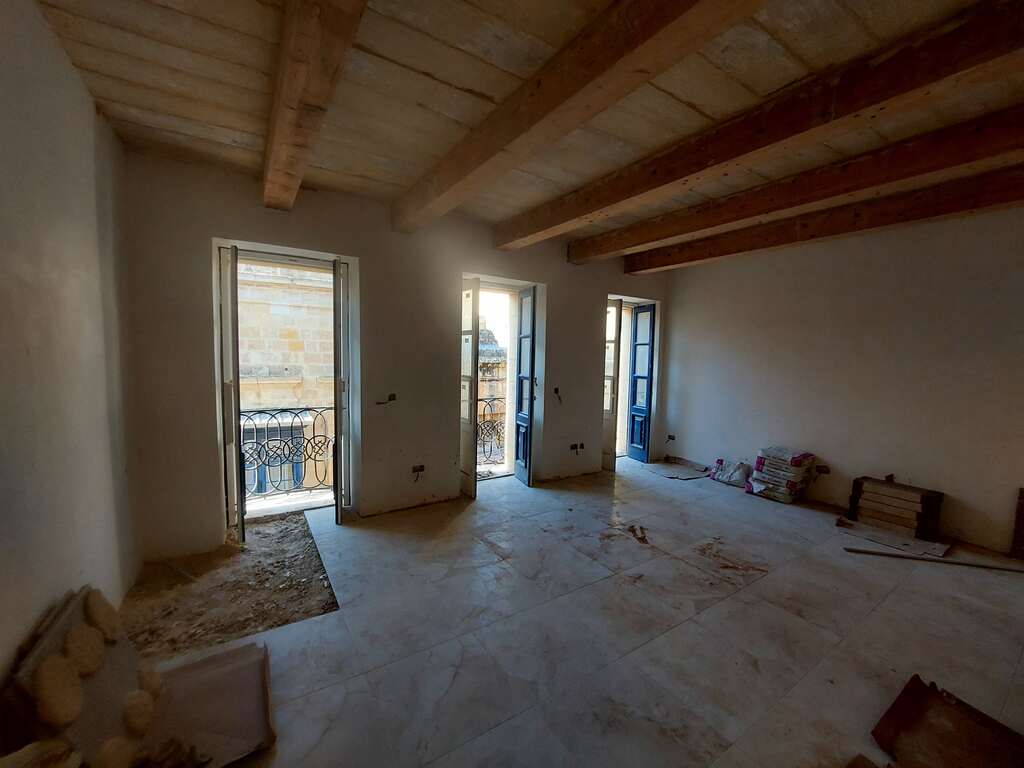
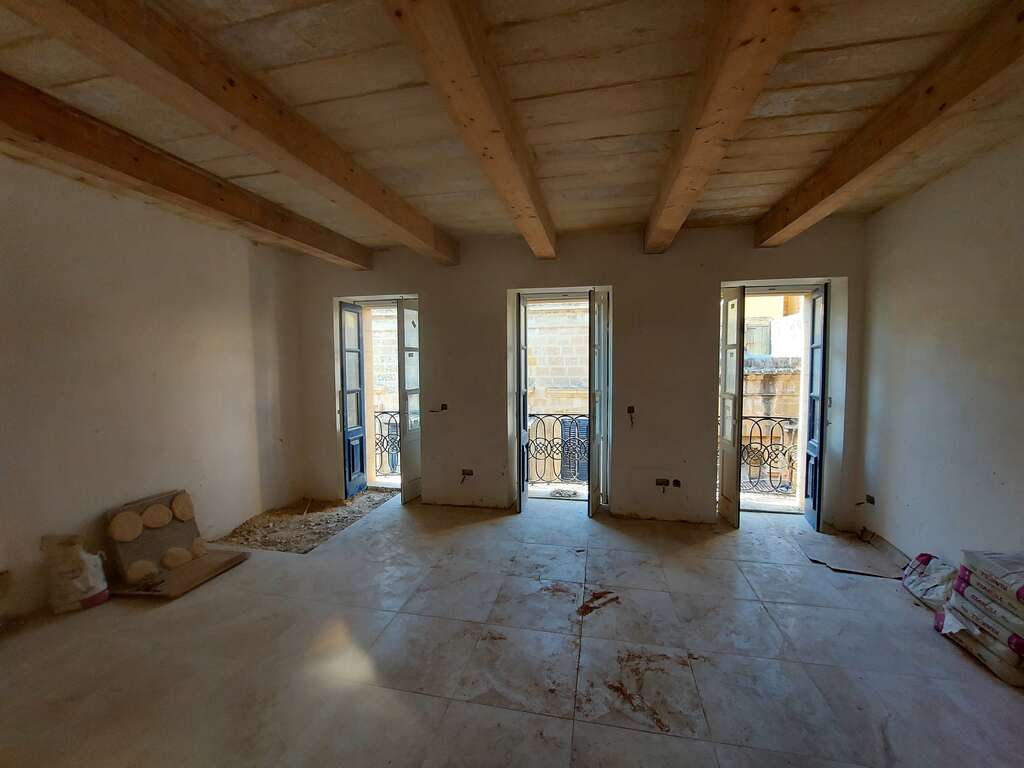
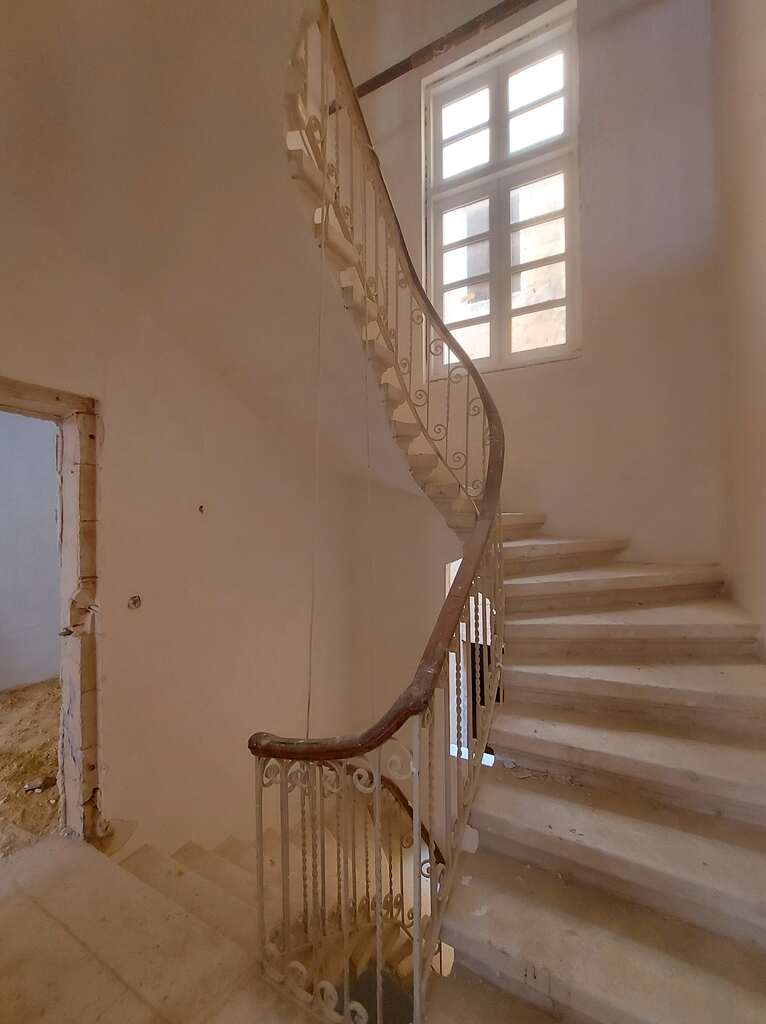
The market divides broadly between beautifully restored, turnkey homes — often combining original limestone, gallariji and high ceilings with contemporary interiors — and unconverted properties offering restoration potential under the guidance of the planning and heritage authorities. Harbour views command the strongest premiums, particularly on the city's eastern flank overlooking the Grand Harbour.
As the entire city is protected, supply is permanently fixed, a fundamental that has underpinned Valletta's exceptional capital growth since its regeneration began. Valletta is not a Special Designated Area, so non-EU nationals should seek professional advice regarding Acquisition of Immovable Property (AIP) requirements before purchasing.
Renting Property in Valletta
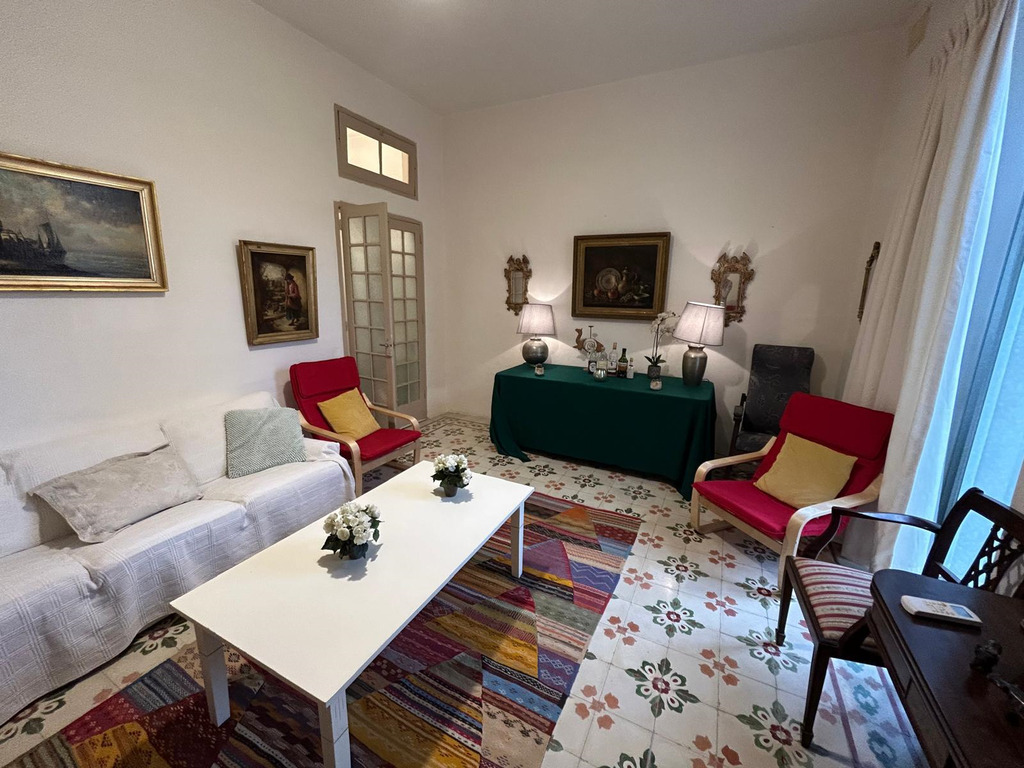
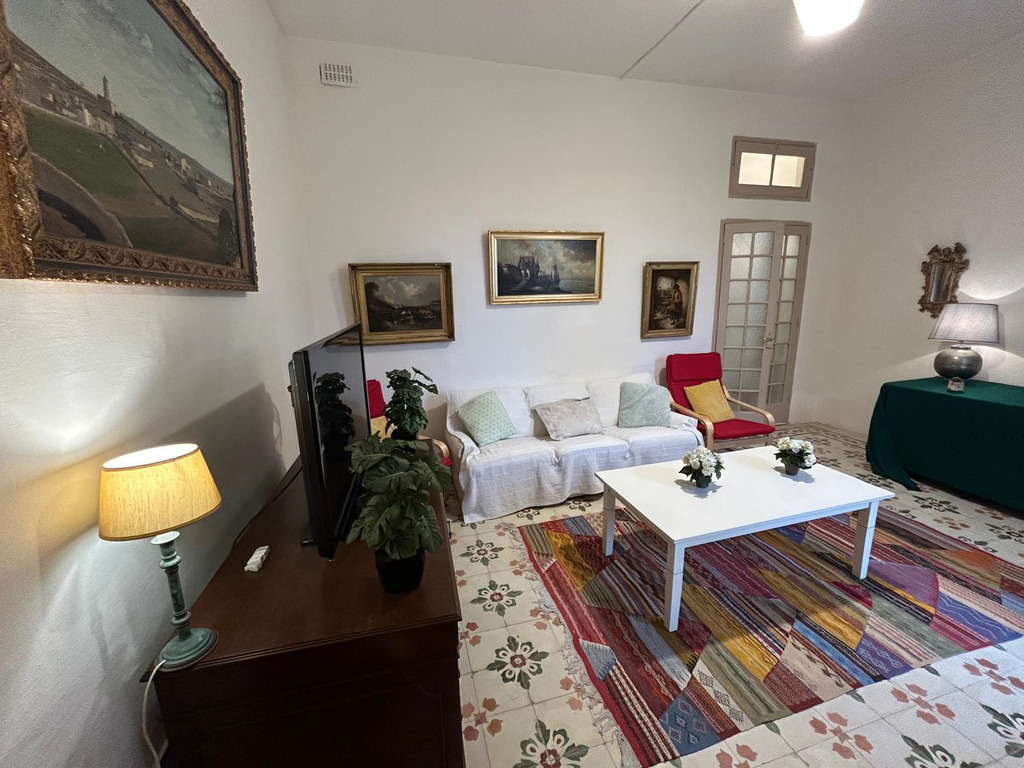
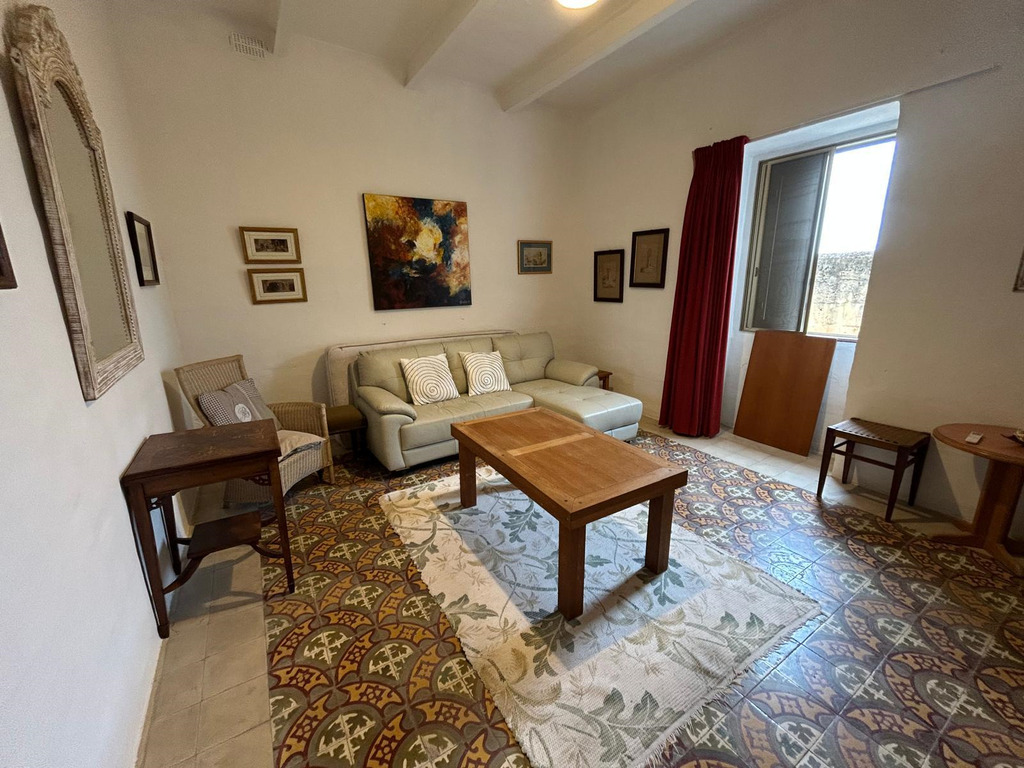
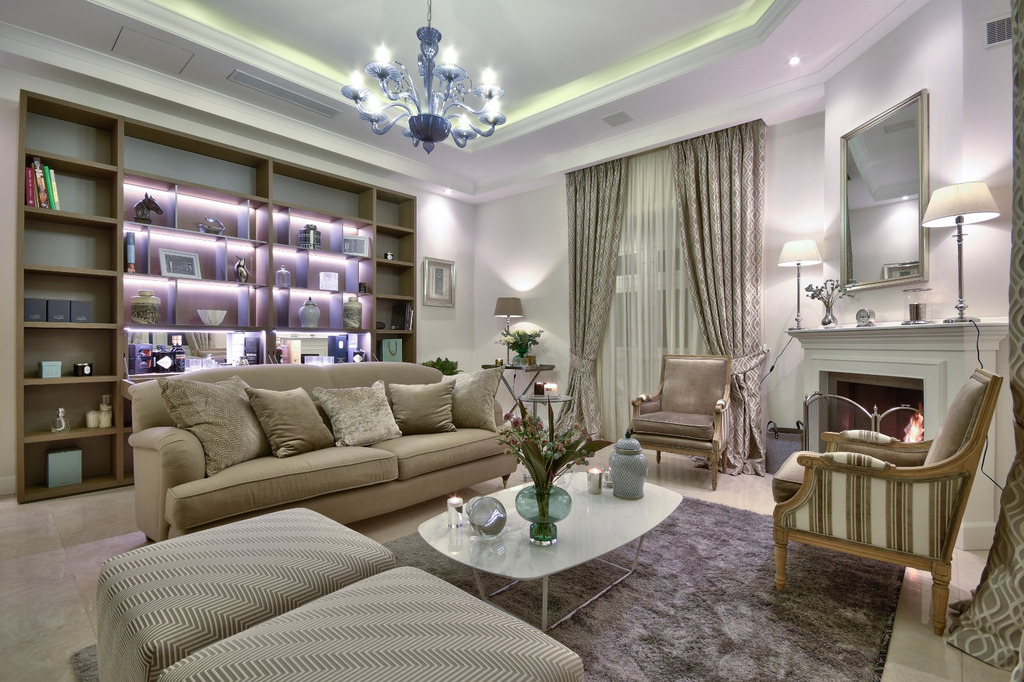
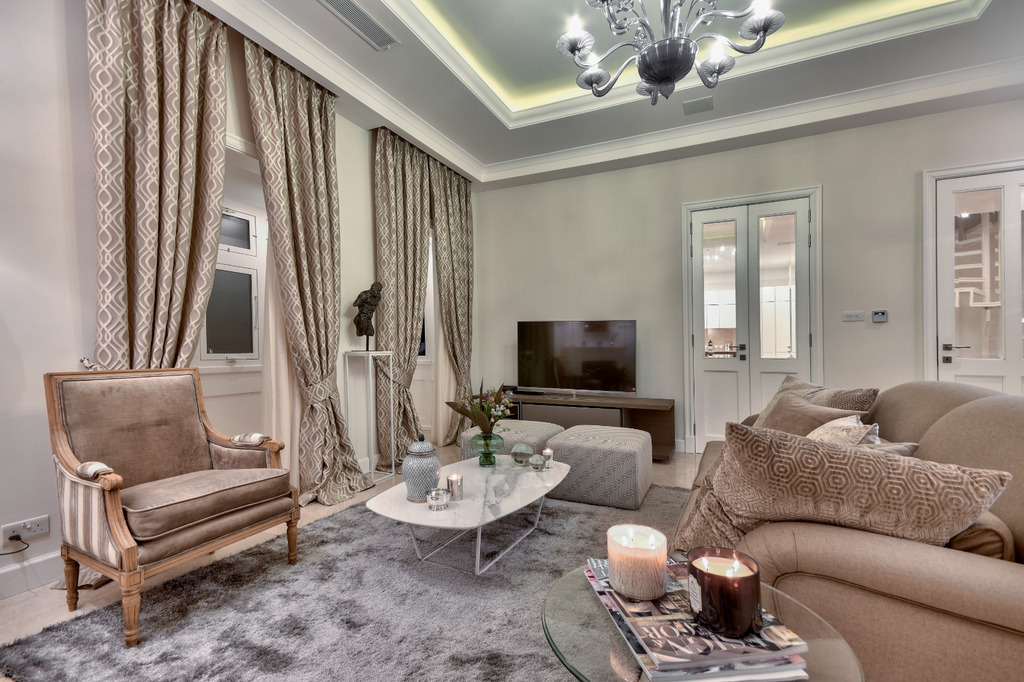
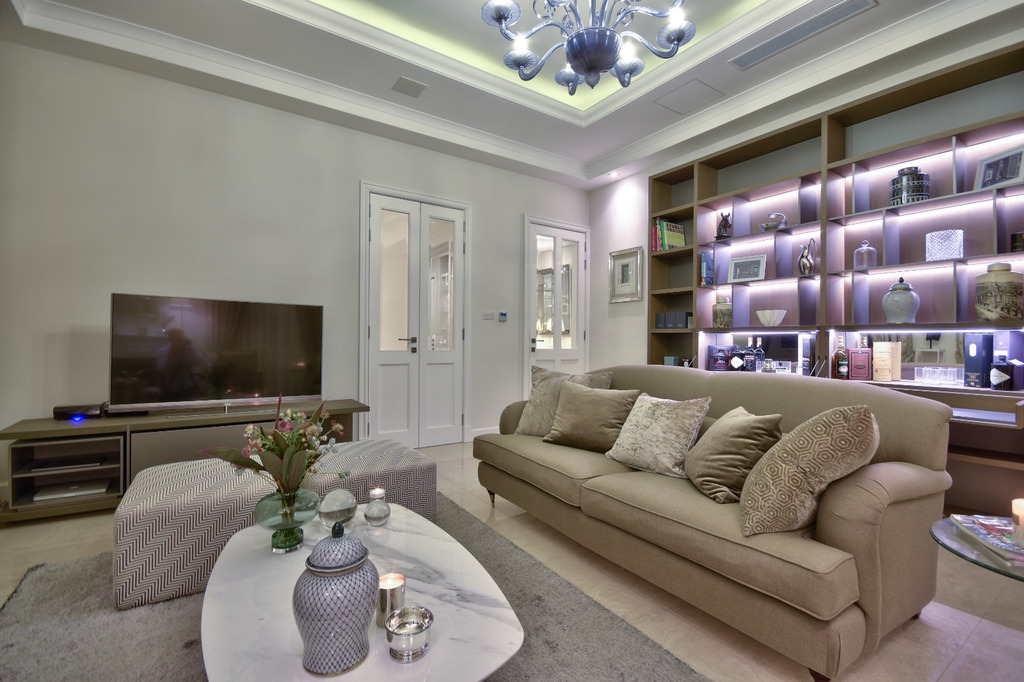
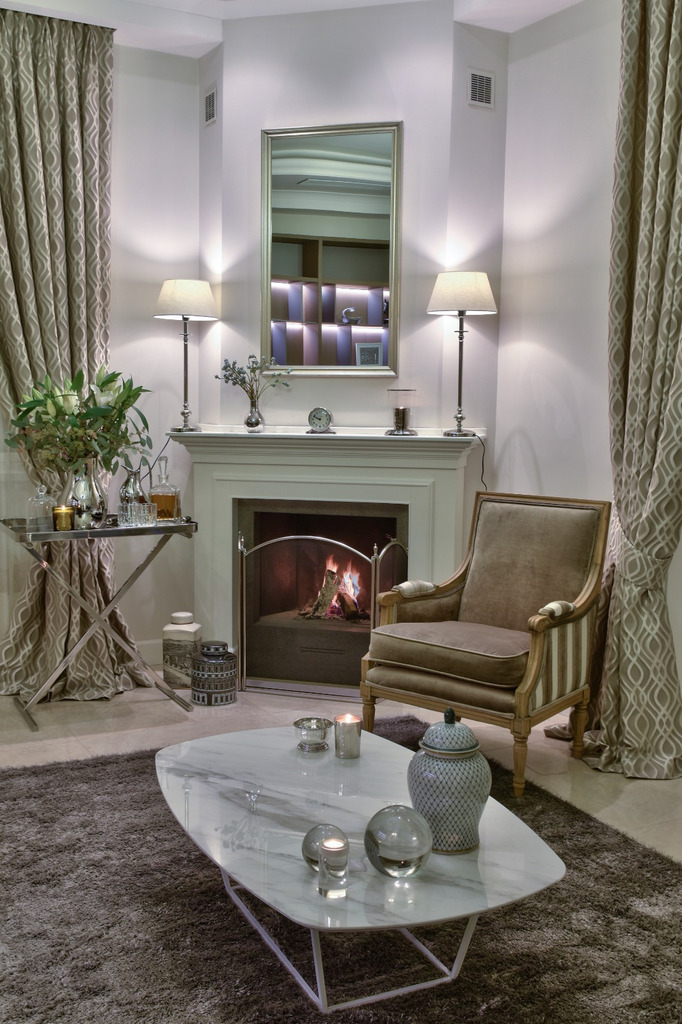
Valletta's long-term rental market is boutique in scale, offering restored apartments and townhouses to professionals working in the capital, diplomats and international residents seeking the city lifestyle.
Typical rental properties include:
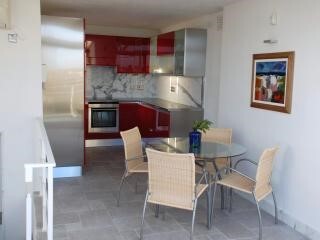
• Restored one- and two-bedroom apartments
• Townhouses
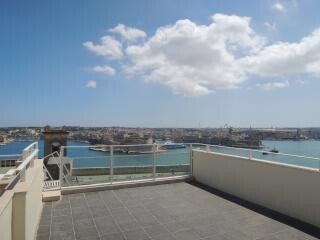
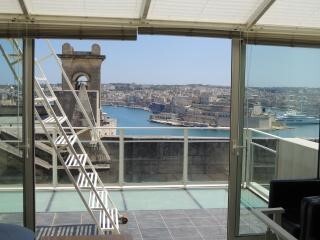
• Penthouses with harbour or city views
Quality stock is limited, with some owners favouring short lets, so desirable long-term properties move quickly. Prospective tenants should register their interest with local agents early.
Find Property for Sale in Valletta

€2,950,000
€925,000
Price on request
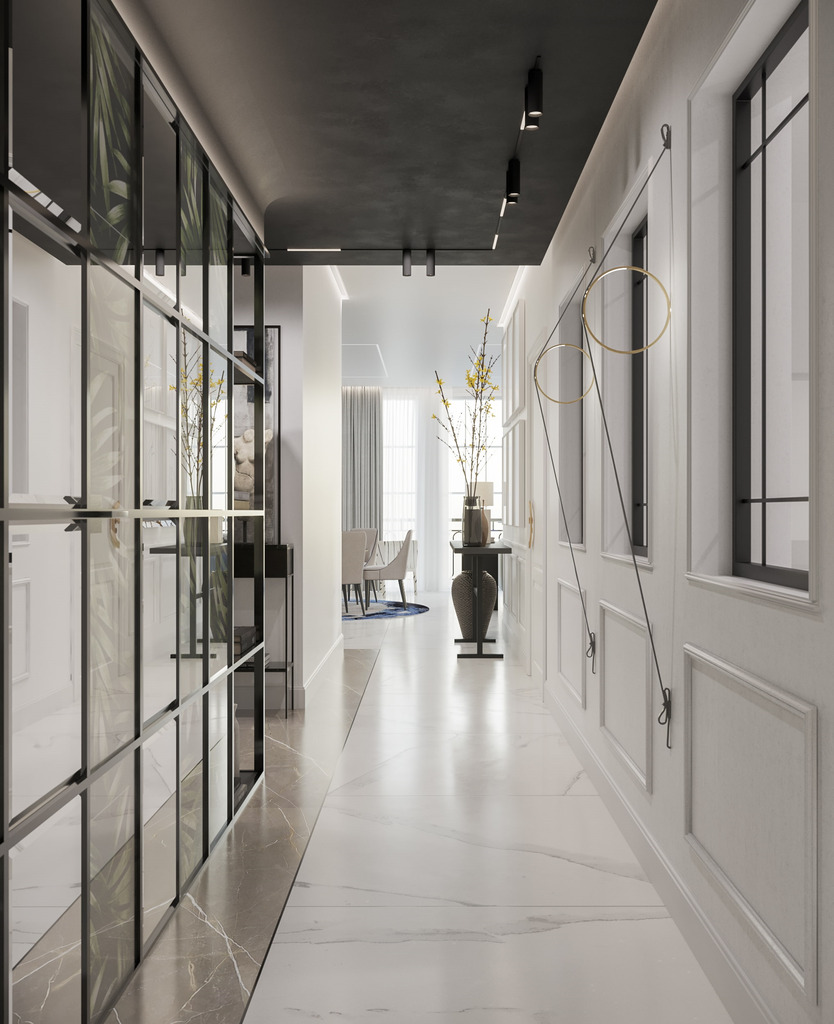
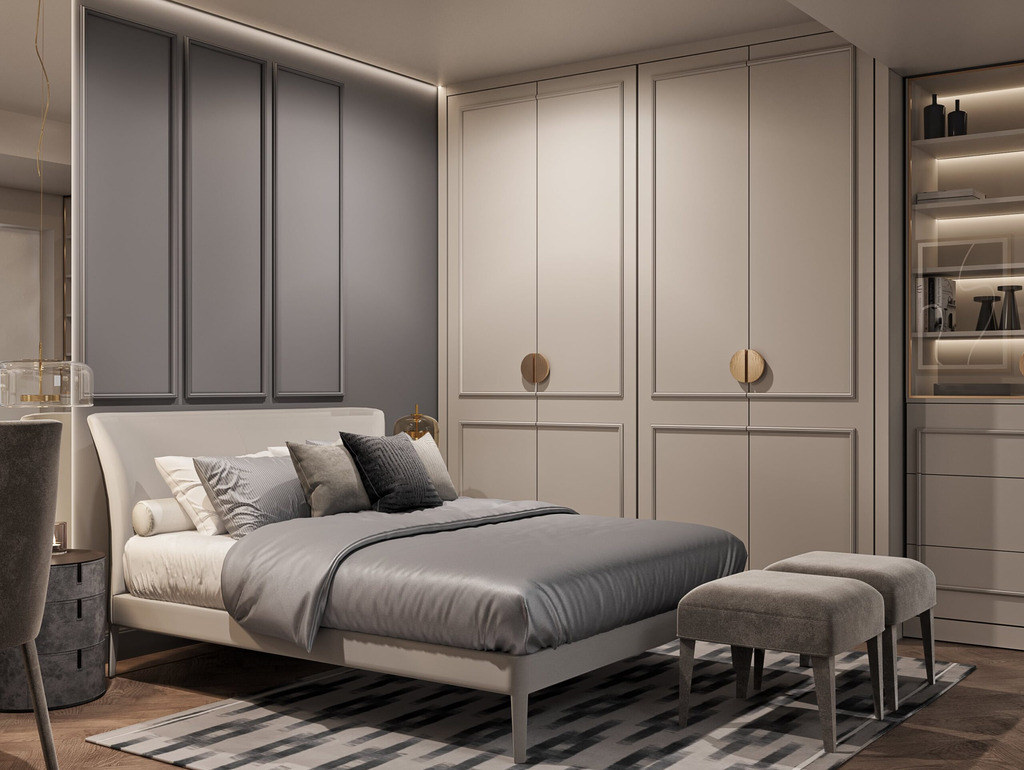
Price on request
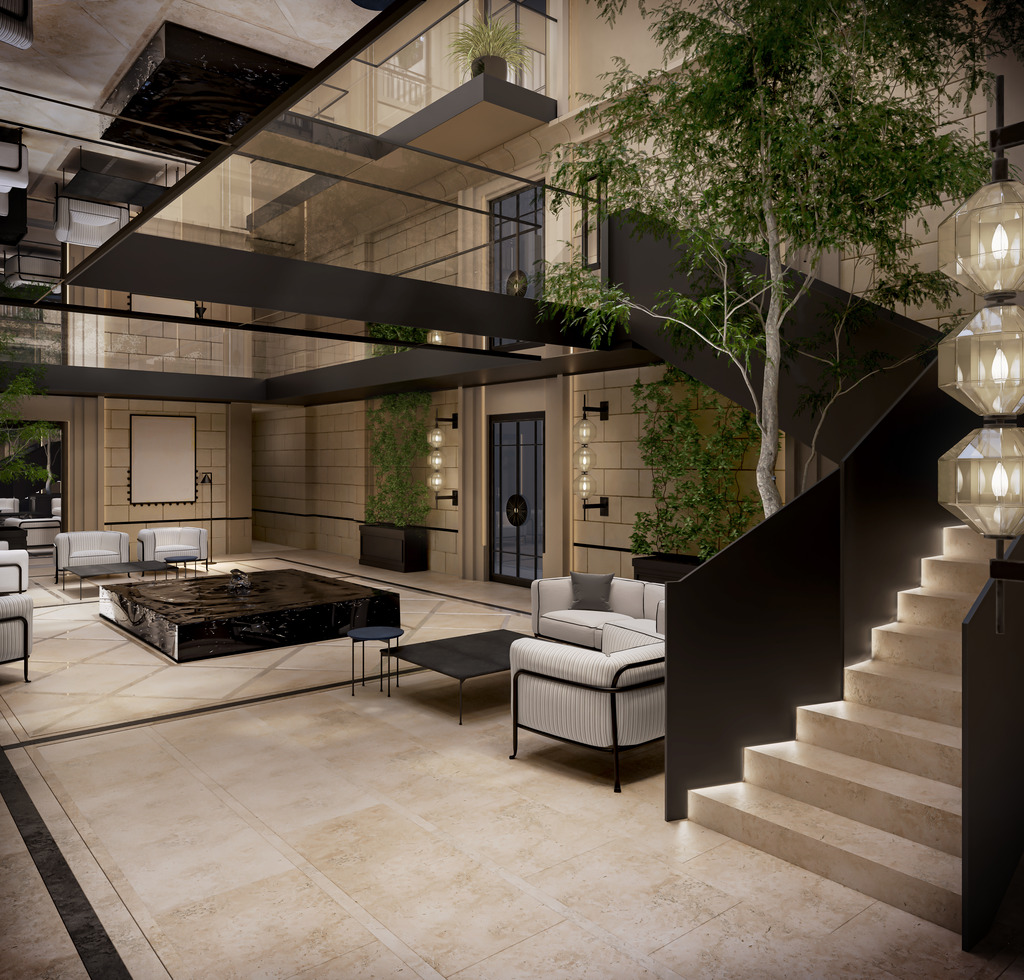
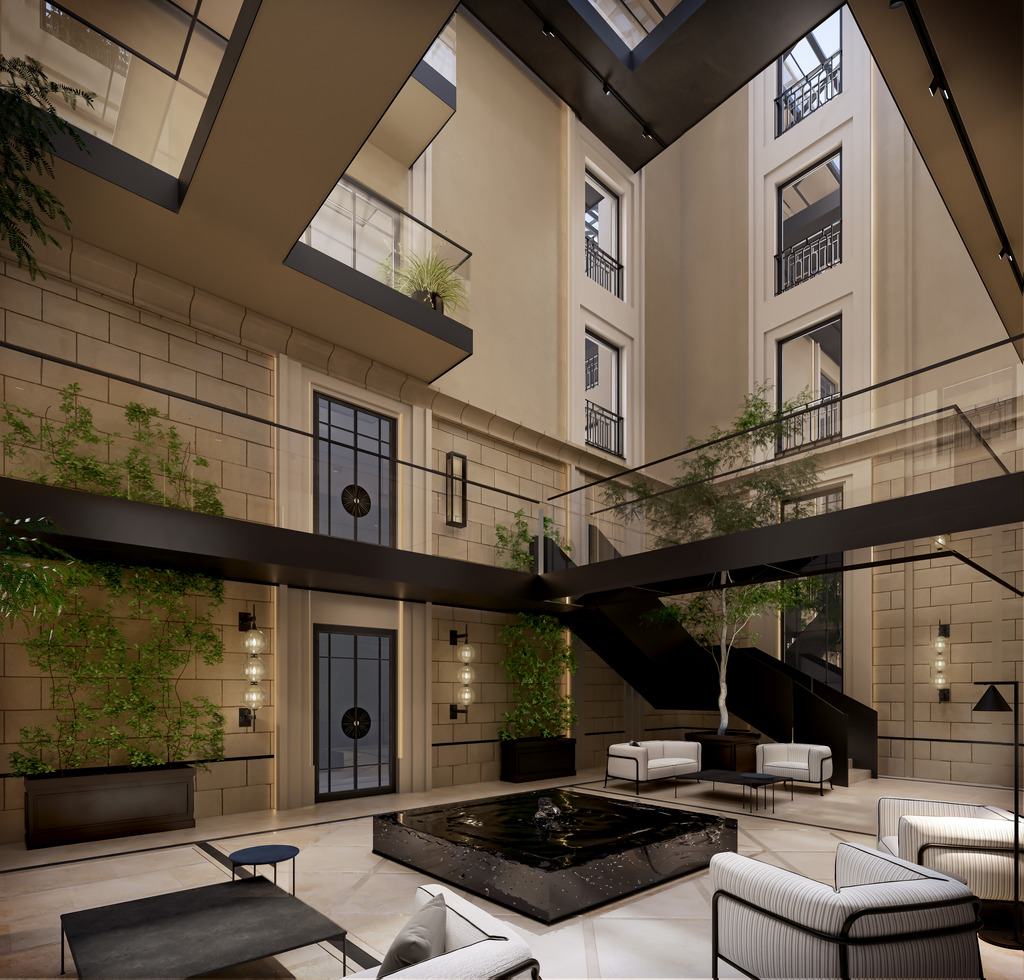
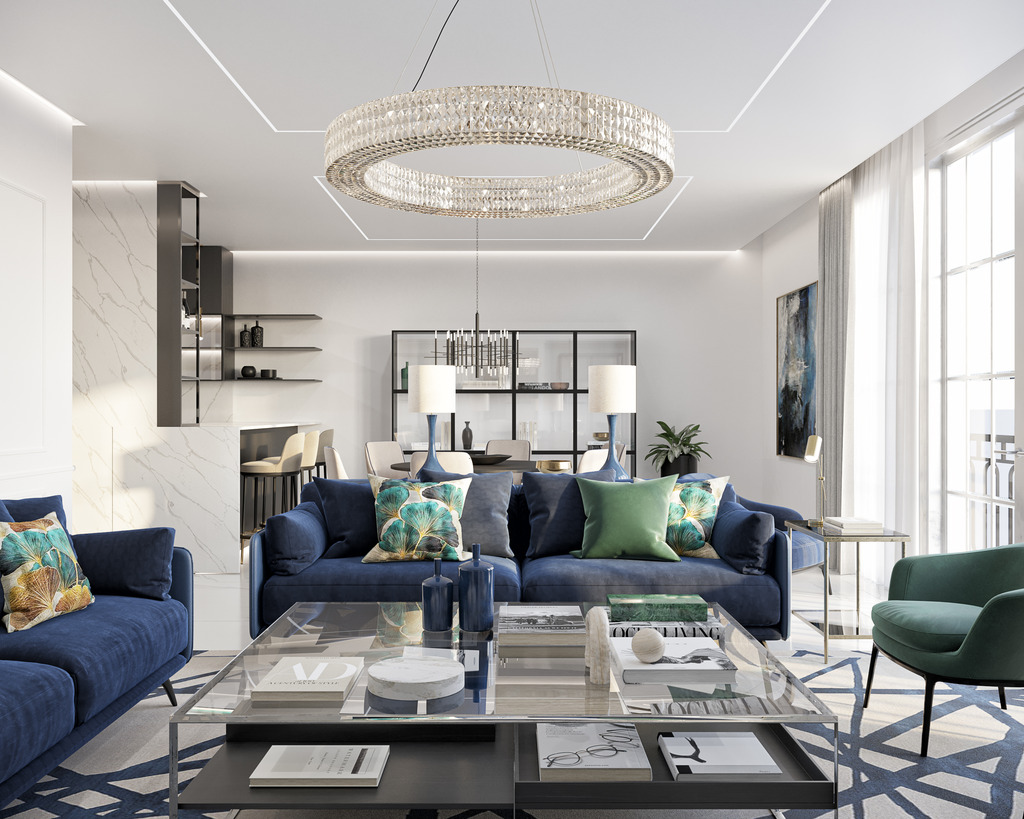
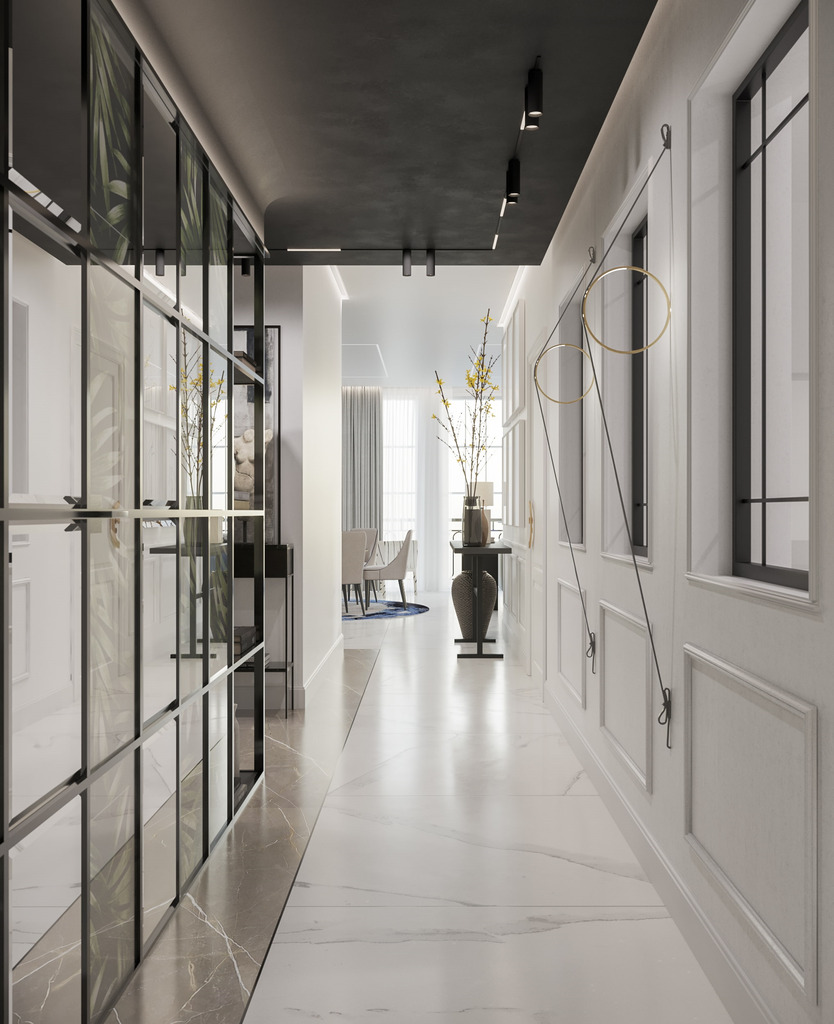
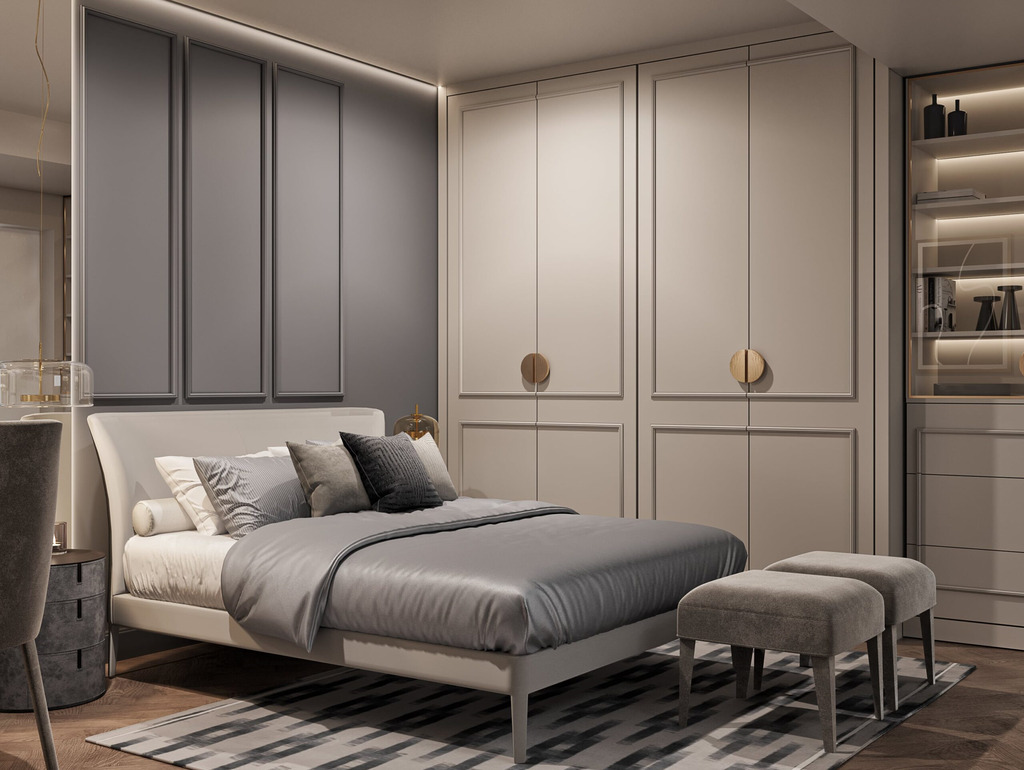
Price on request
€4,000,000
€970,000
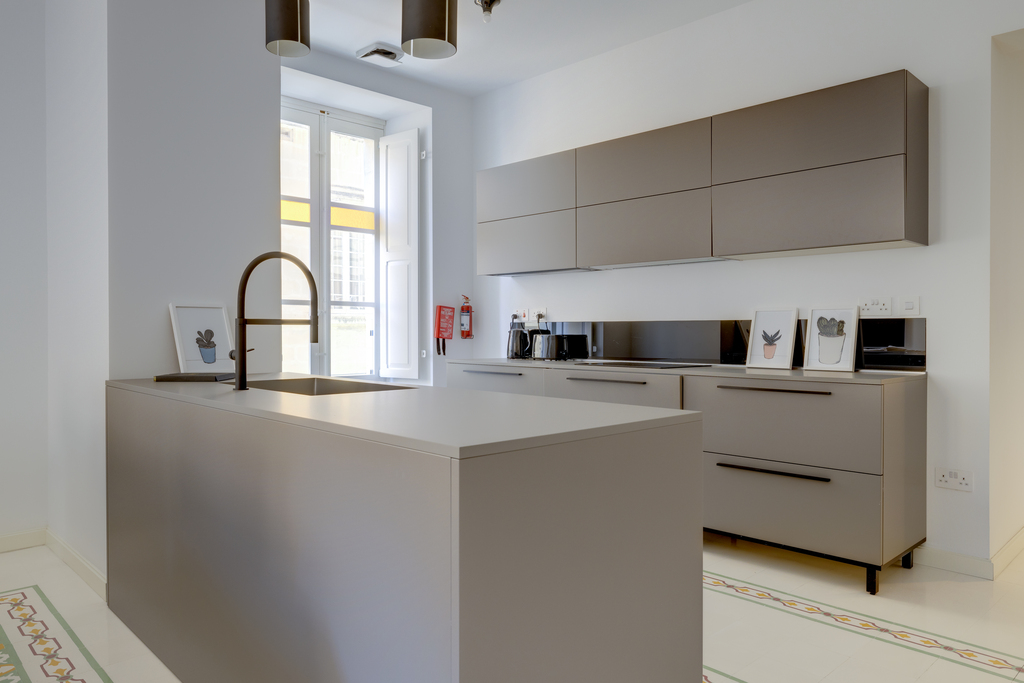
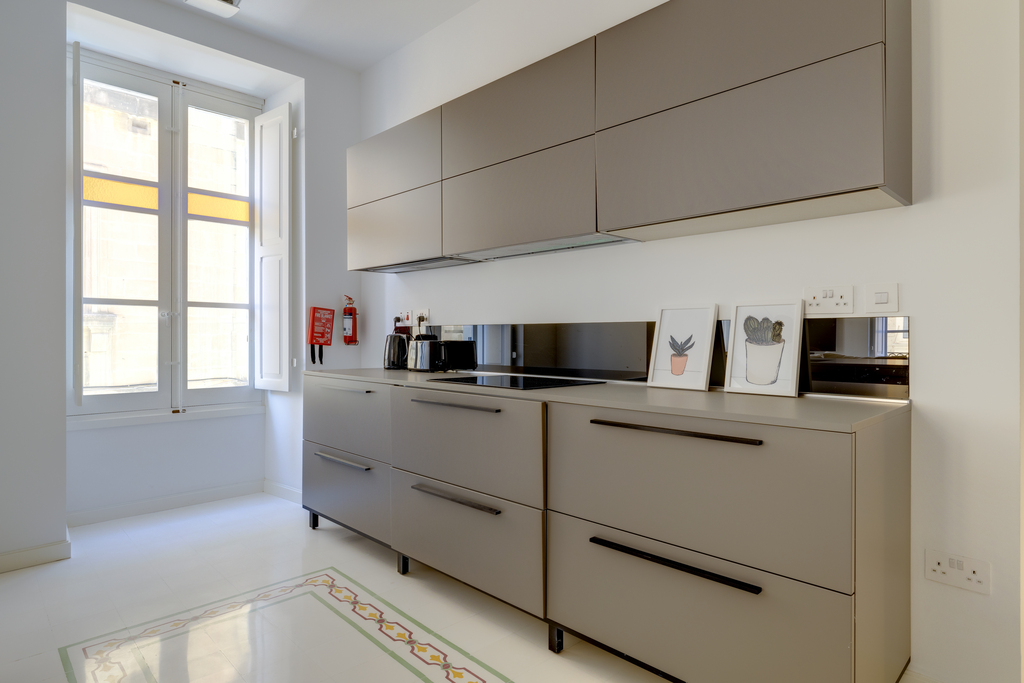
€945,000
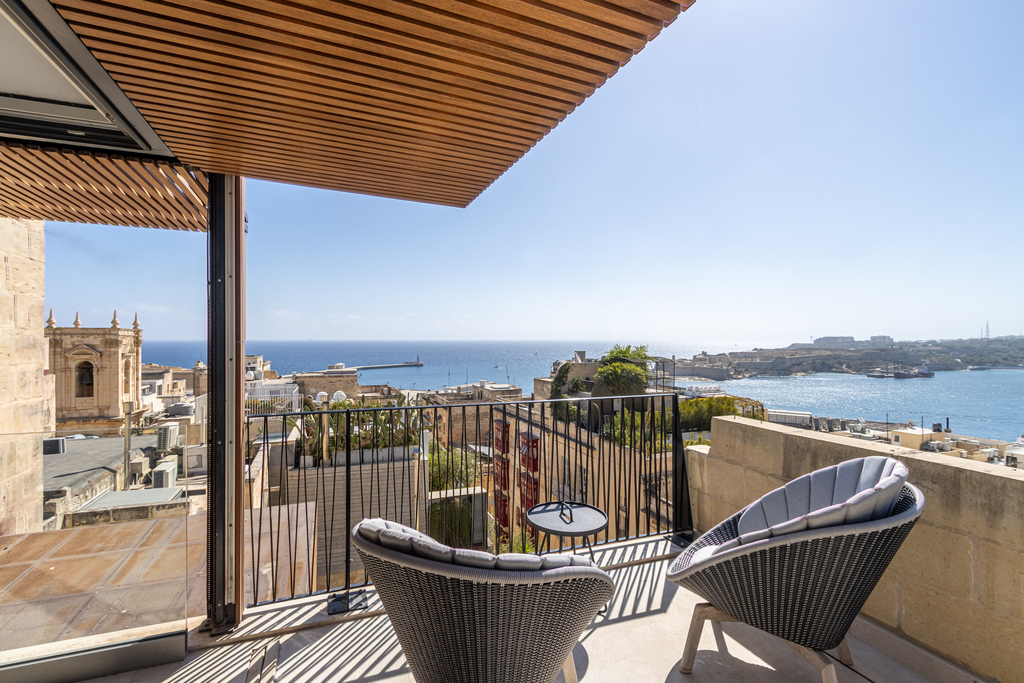
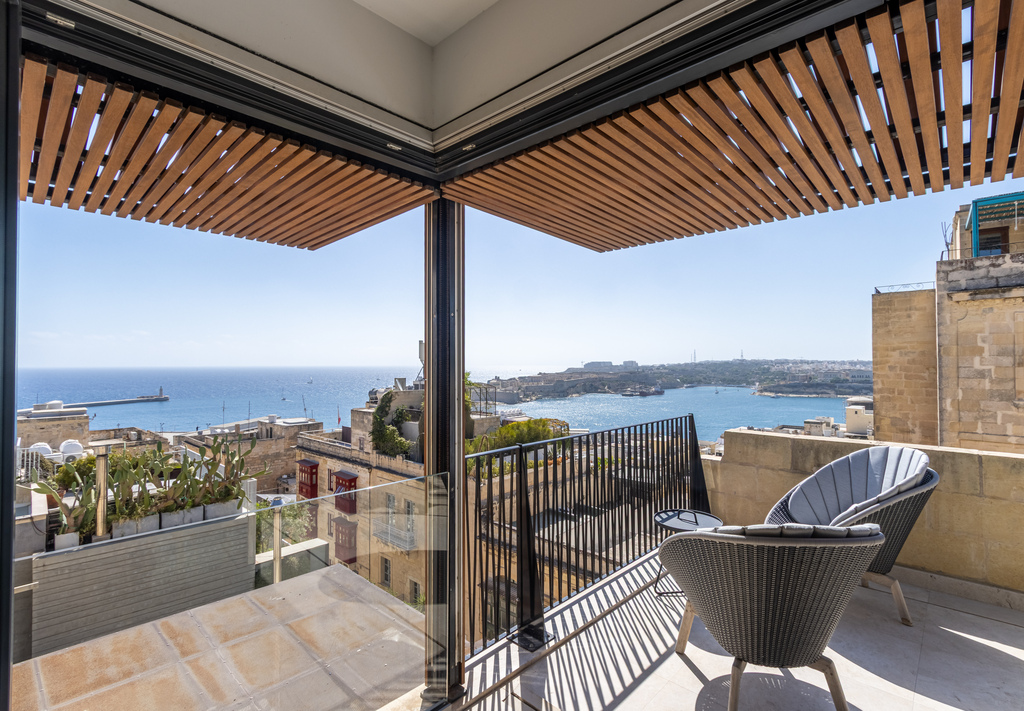
€2,650,000
€590,000
€2,800,000
€4,500,000
Find Property for Rent in Valletta
€2,600 per month
€6,500 per month
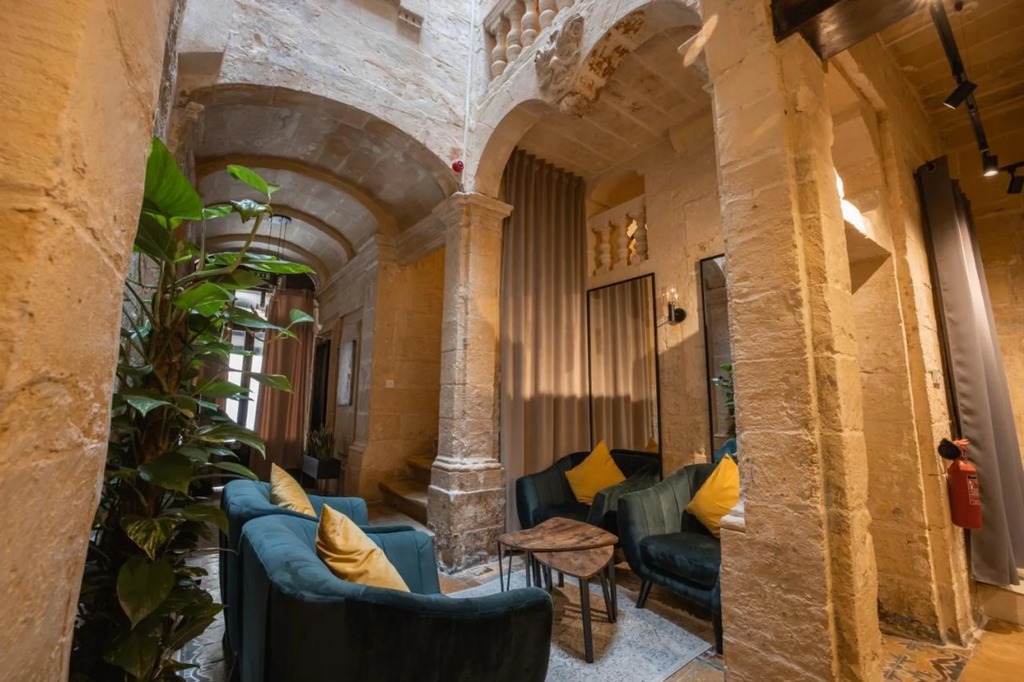
€15,000 per month
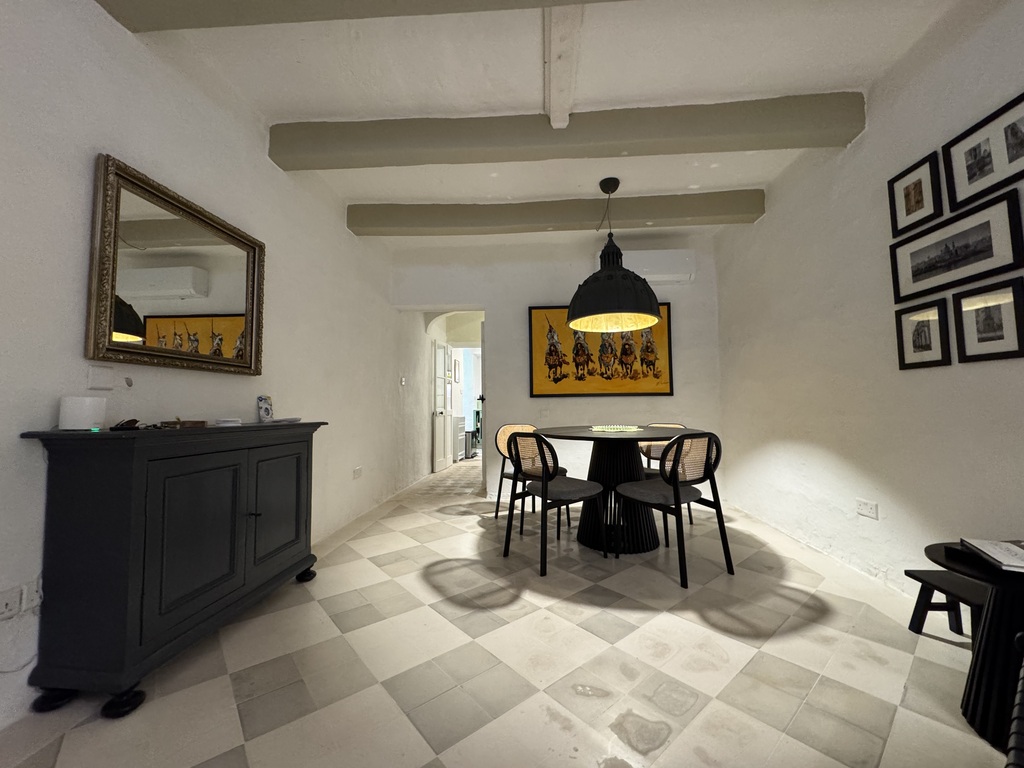
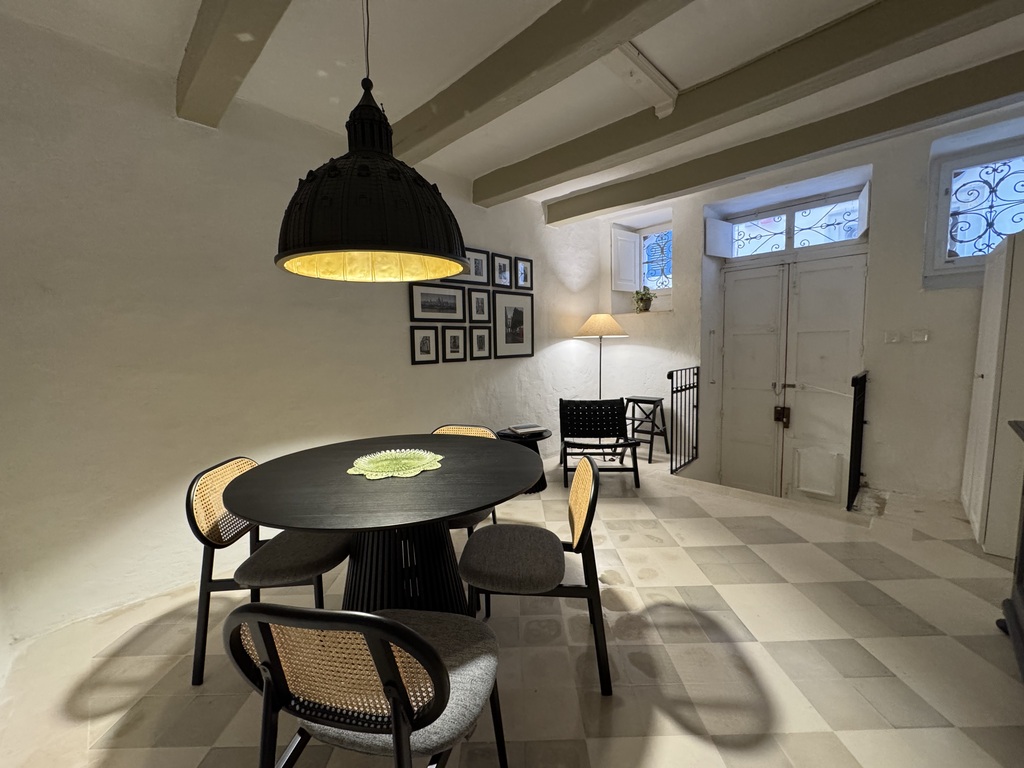
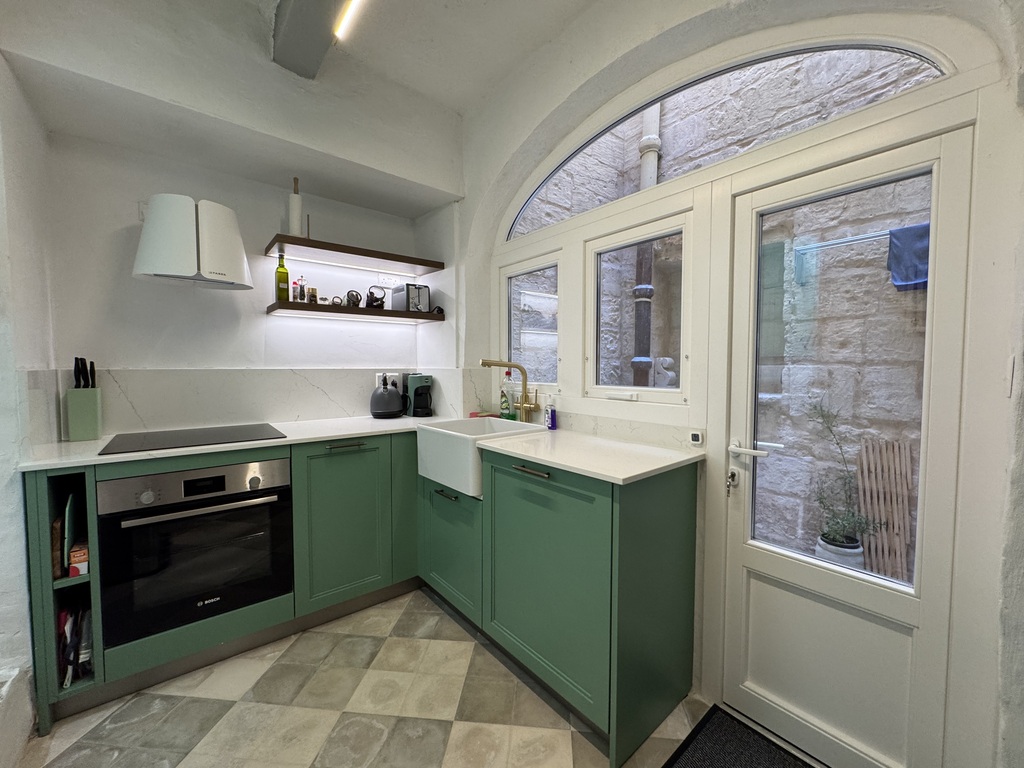
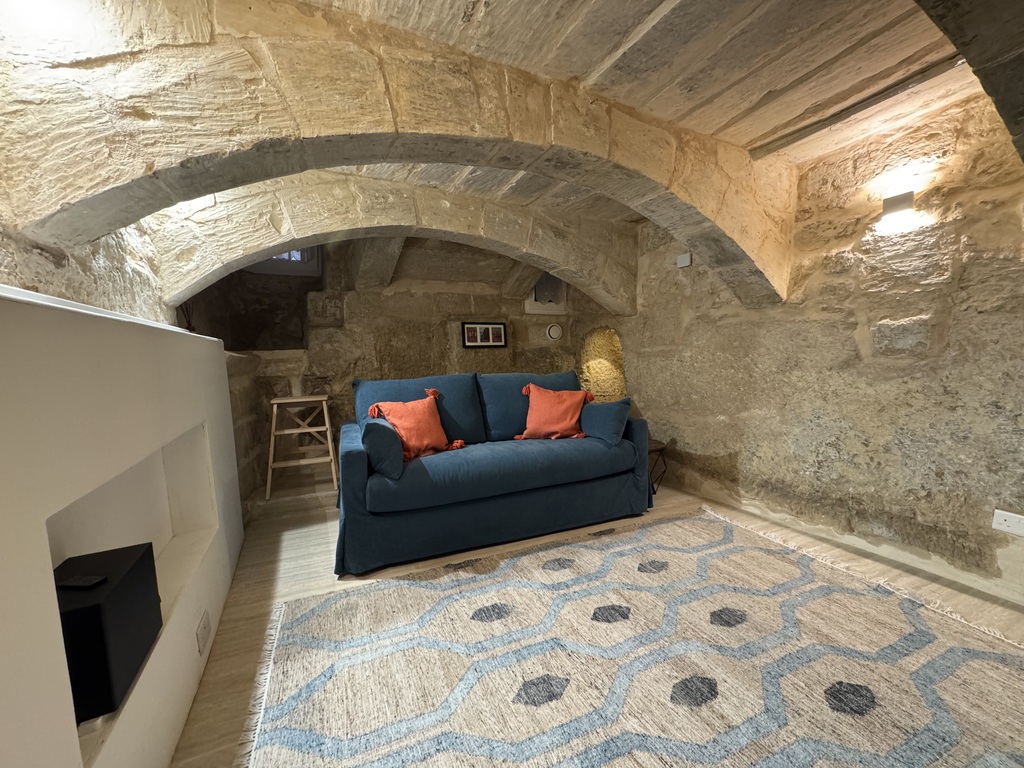
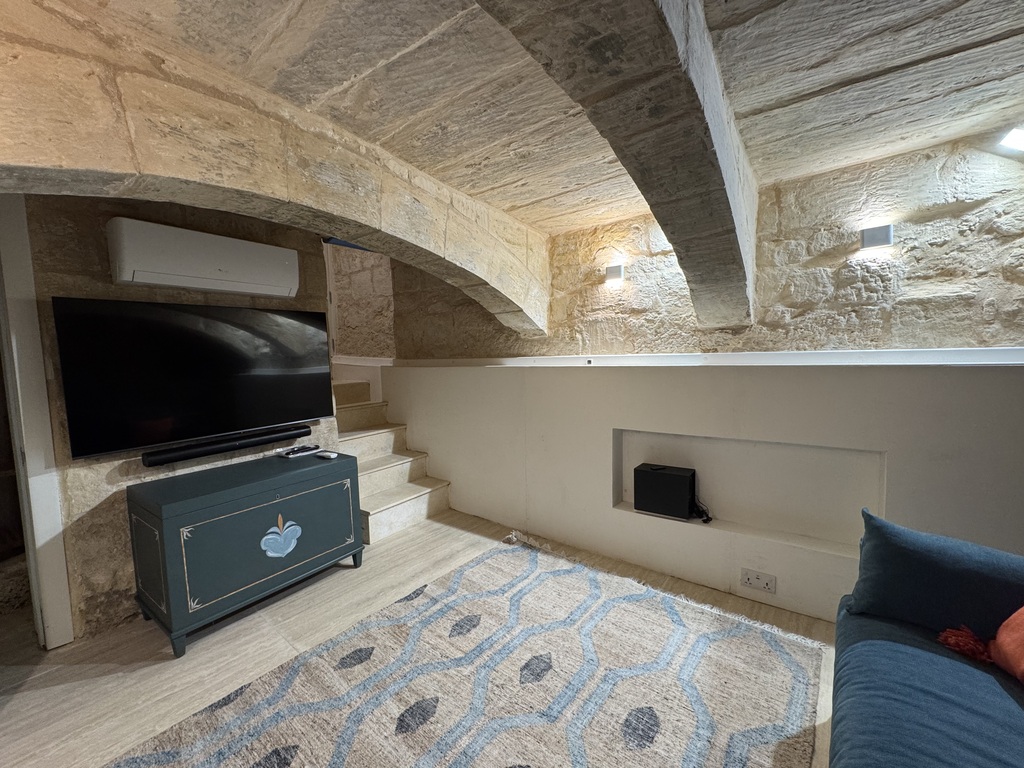
€2,500 per month
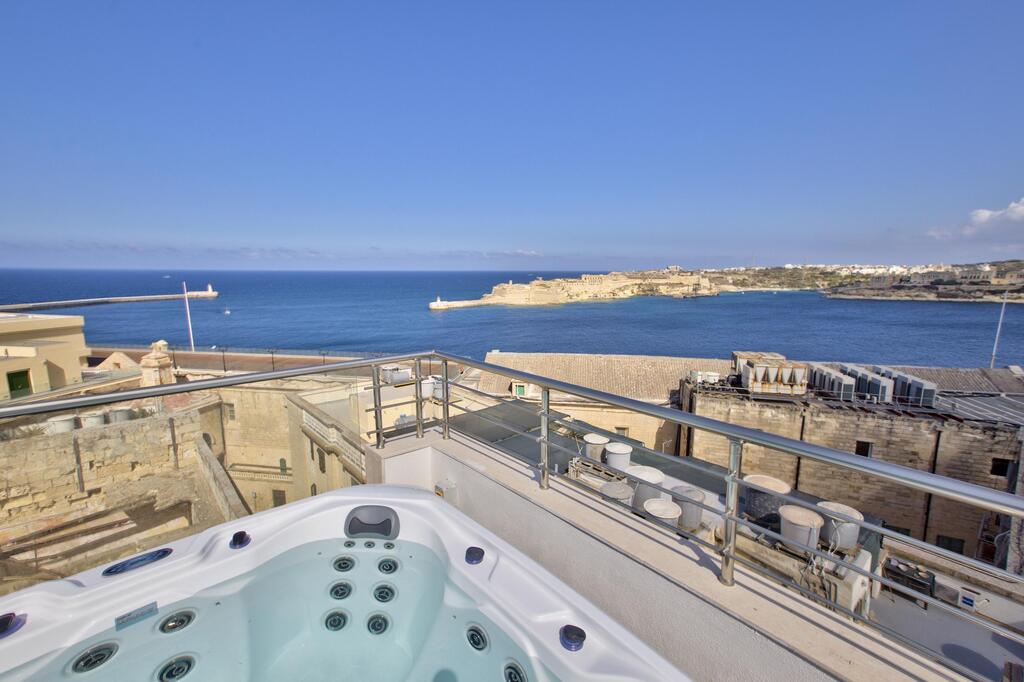
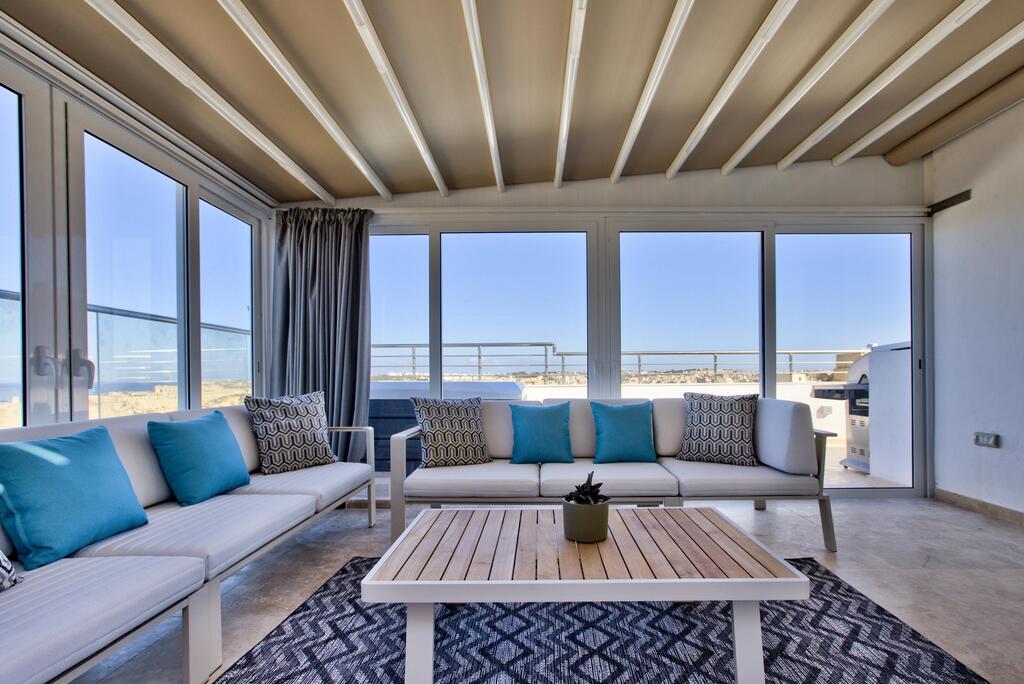
Price on request
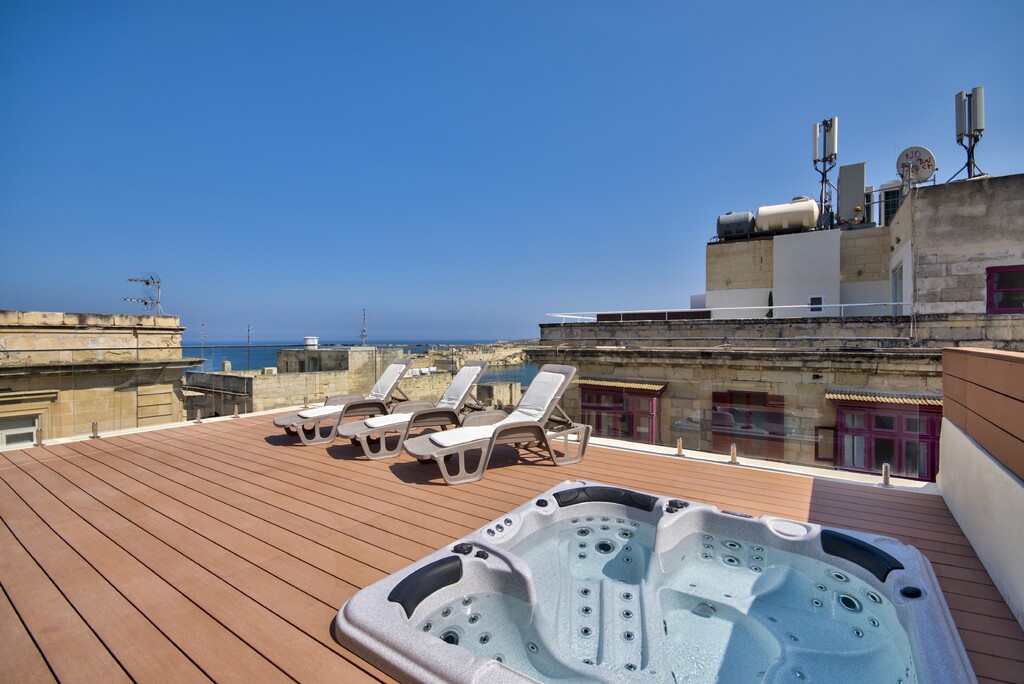
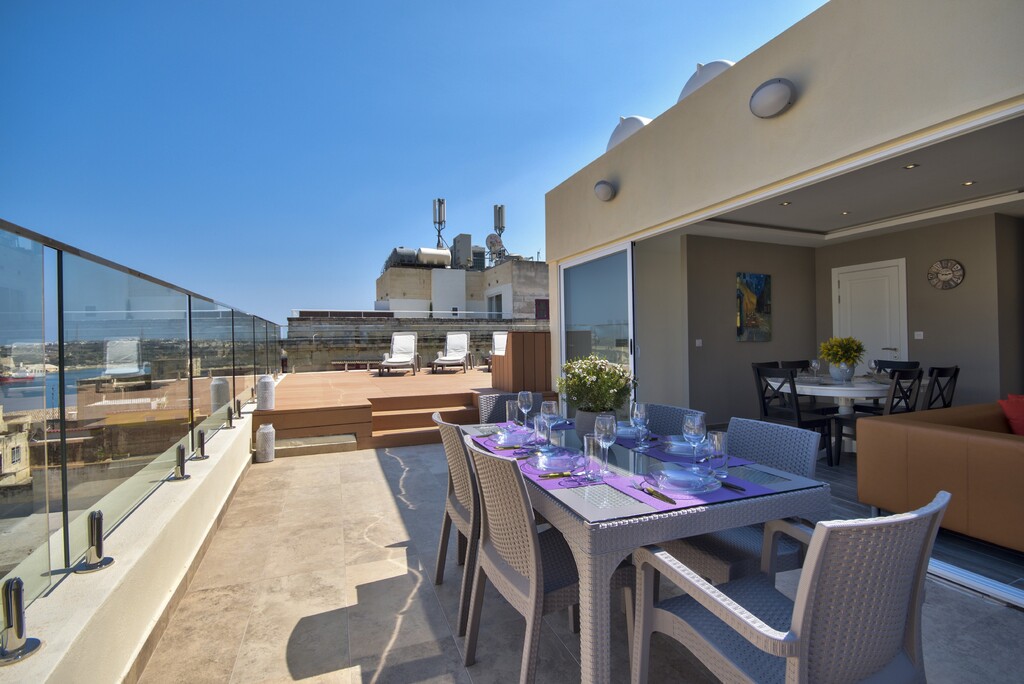
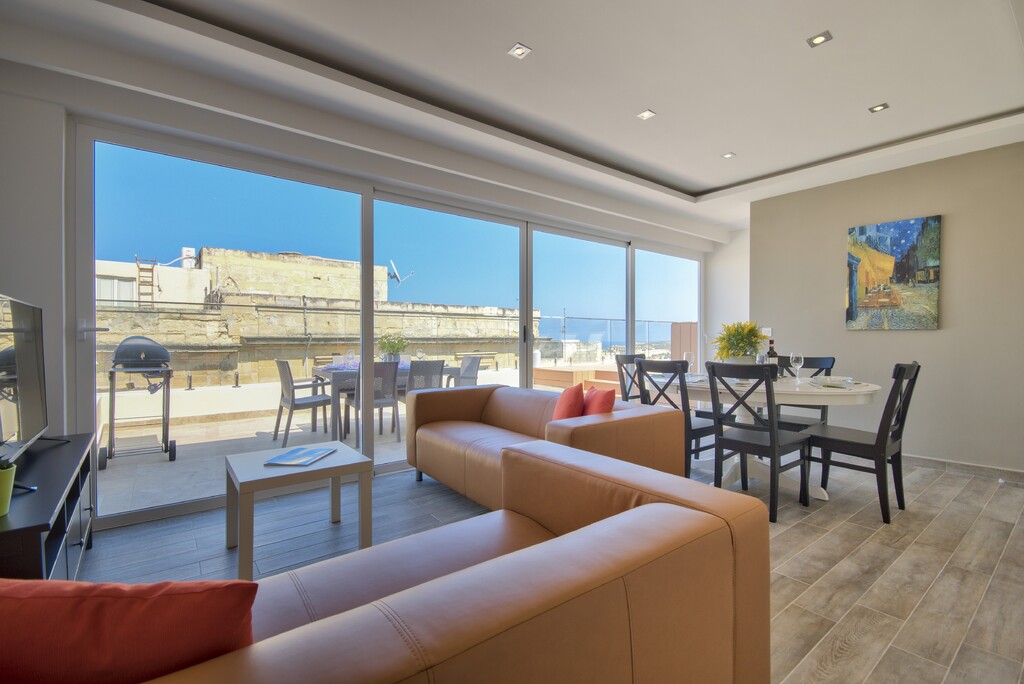
Price on request
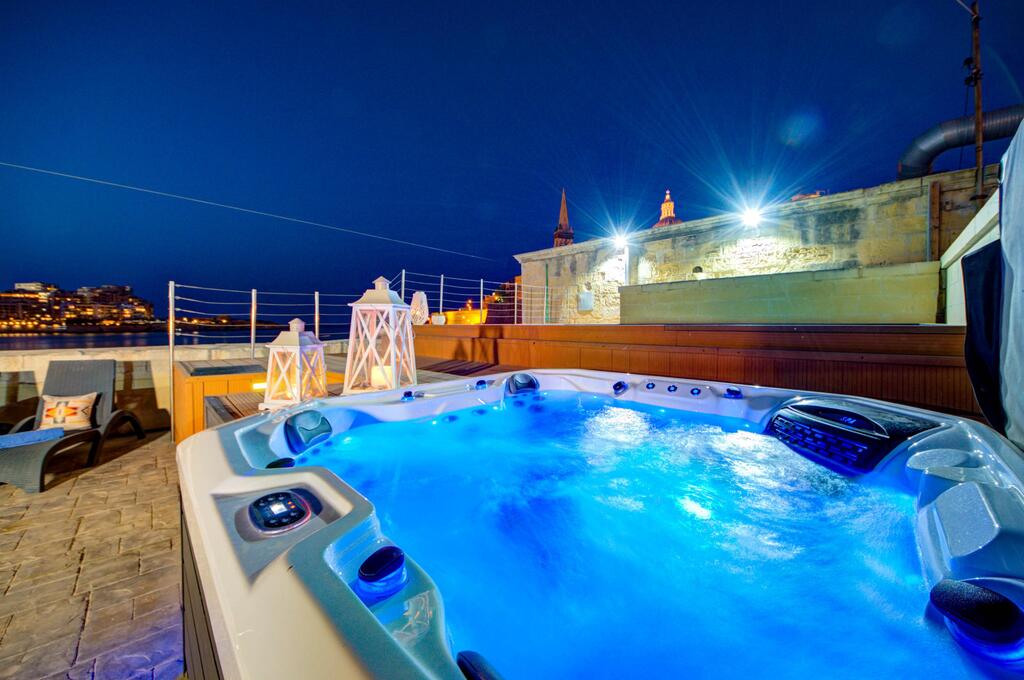
Price on request
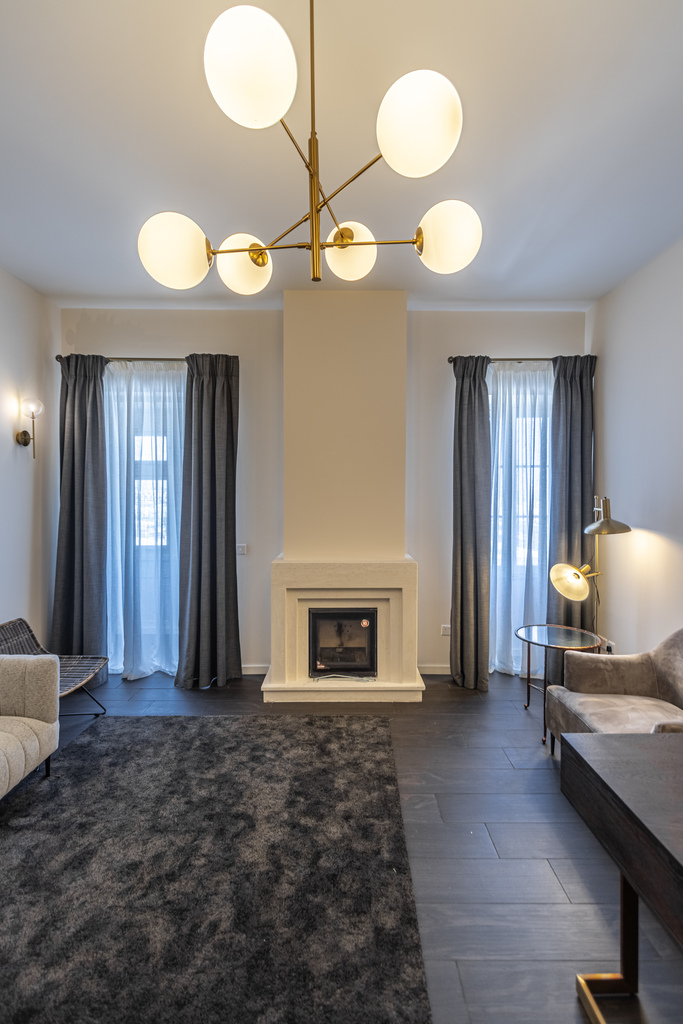
€4,250 per month
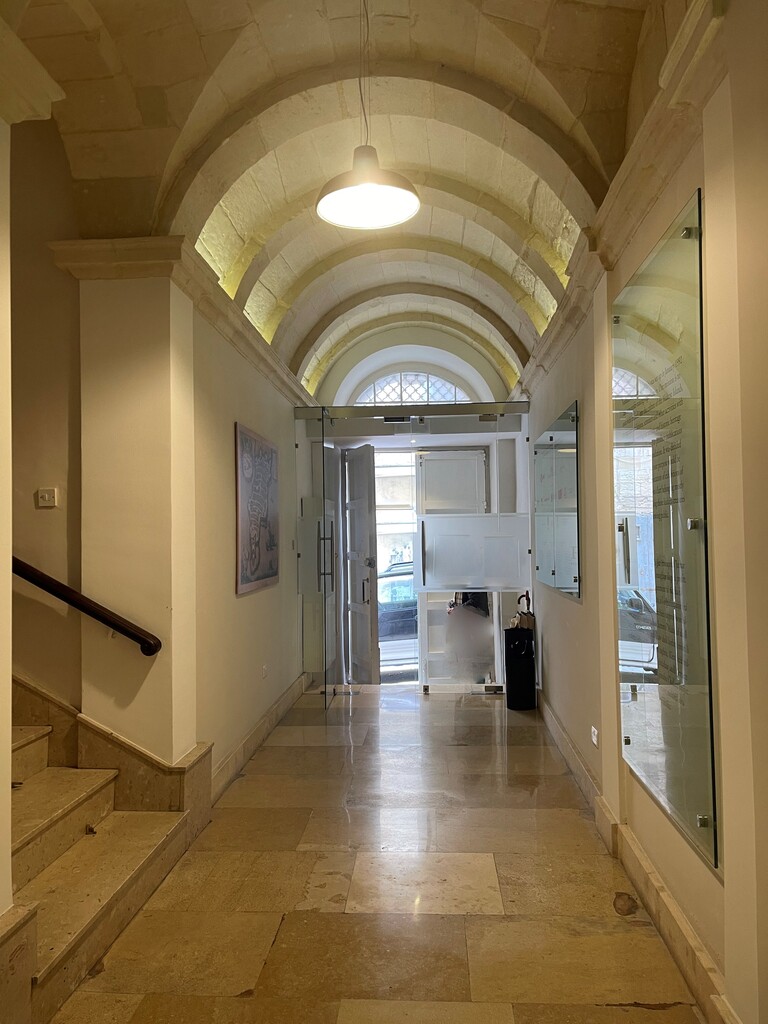
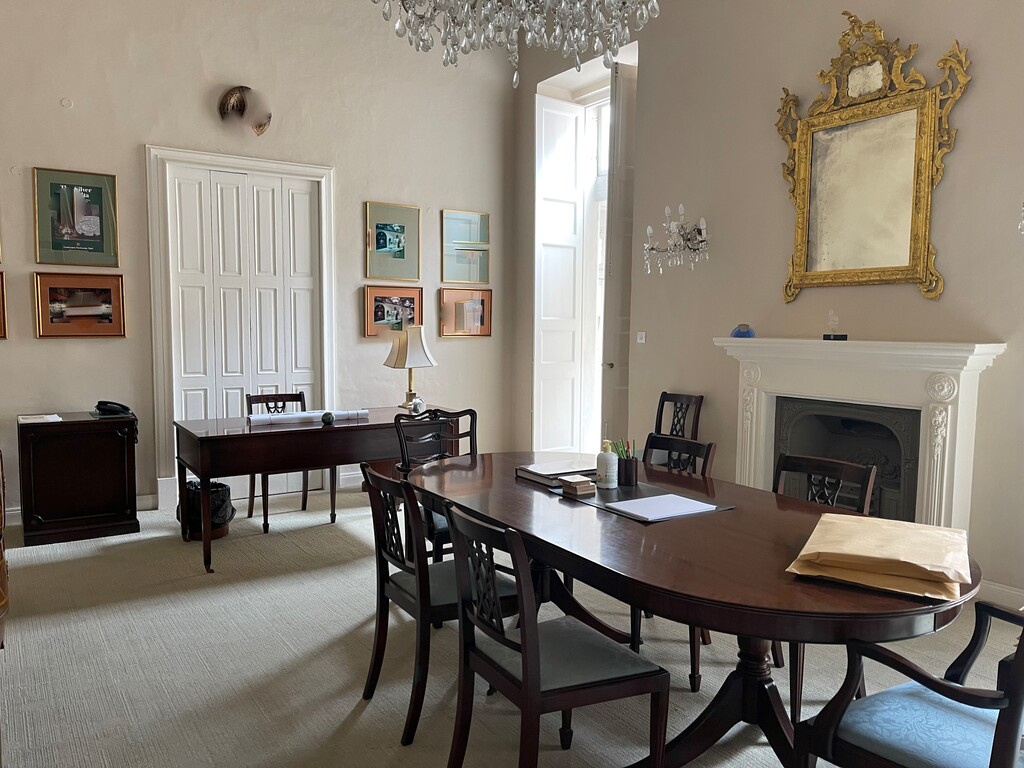
€7,500 per month
€100 per day
€3,800 per month
€8,000 per month
Expat Community & Essential Services
Valletta's international community has grown markedly with the city's renaissance, drawn from across Europe and beyond by its architecture, culture and walkability. Residents include professionals, creatives, diplomats and retirees, alongside the city's proud Beltin families.
Schools
Several respected schools are located nearby, including:
• St Albert the Great College (within the city)
• State and church schools in Valletta and Floriana
• Chiswick House School & St Martin's College (Kappara and Swatar)
• Verdala International School (Pembroke)
International schools are within approximately 15–25 minutes by car.
Healthcare
Residents benefit from convenient access to:
• Mater Dei Hospital, approximately 15 minutes away
• Floriana Health Centre, immediately outside the city gates
• Pharmacies and clinics within the city
Shopping & Daily Life
Republic Street and Merchants Street form Malta’s historic high street, largely pedestrianised and complemented by Is-Suq tal-Belt food market, independent boutiques, galleries and one of the island’s best concentrations of restaurants and cafés. Everyday life has become more convenient still with the recent opening of a supermarket within the city, adding to the grocers and the open-air market that cover daily essentials, with larger supermarkets minutes away outside the walls.
Next Steps & Related Guides
• Browse Properties for Sale in Valletta
• Browse Properties for Rent in Valletta
• Complete Guide to Buying Property in Malta
• Malta Property Tax Guide
• Relocating to Malta
• International Schools in Malta
• AIP Permit Guide for Non-EU Buyers
Frequently Asked Questions about Valletta
Is Valletta a good place to live in Malta?
For those who value architecture, culture and walkability, Valletta is among the most rewarding addresses in the Mediterranean, a UNESCO World Heritage capital that residents enjoy most fully once the day visitors have gone.
Who typically lives in Valletta?
What types of property are found in Valletta?
Can non-EU buyers purchase property in Valletta?
Is Valletta a good area for long-term rental demand?
Success!
Take A Look
Book Your Luxury
Property Tour Today!


