Market News
29 July 2025
Barcelona’s Ban on Airbnb Opens a Door for Serious Reflection and Smart Adaptation
1 min read
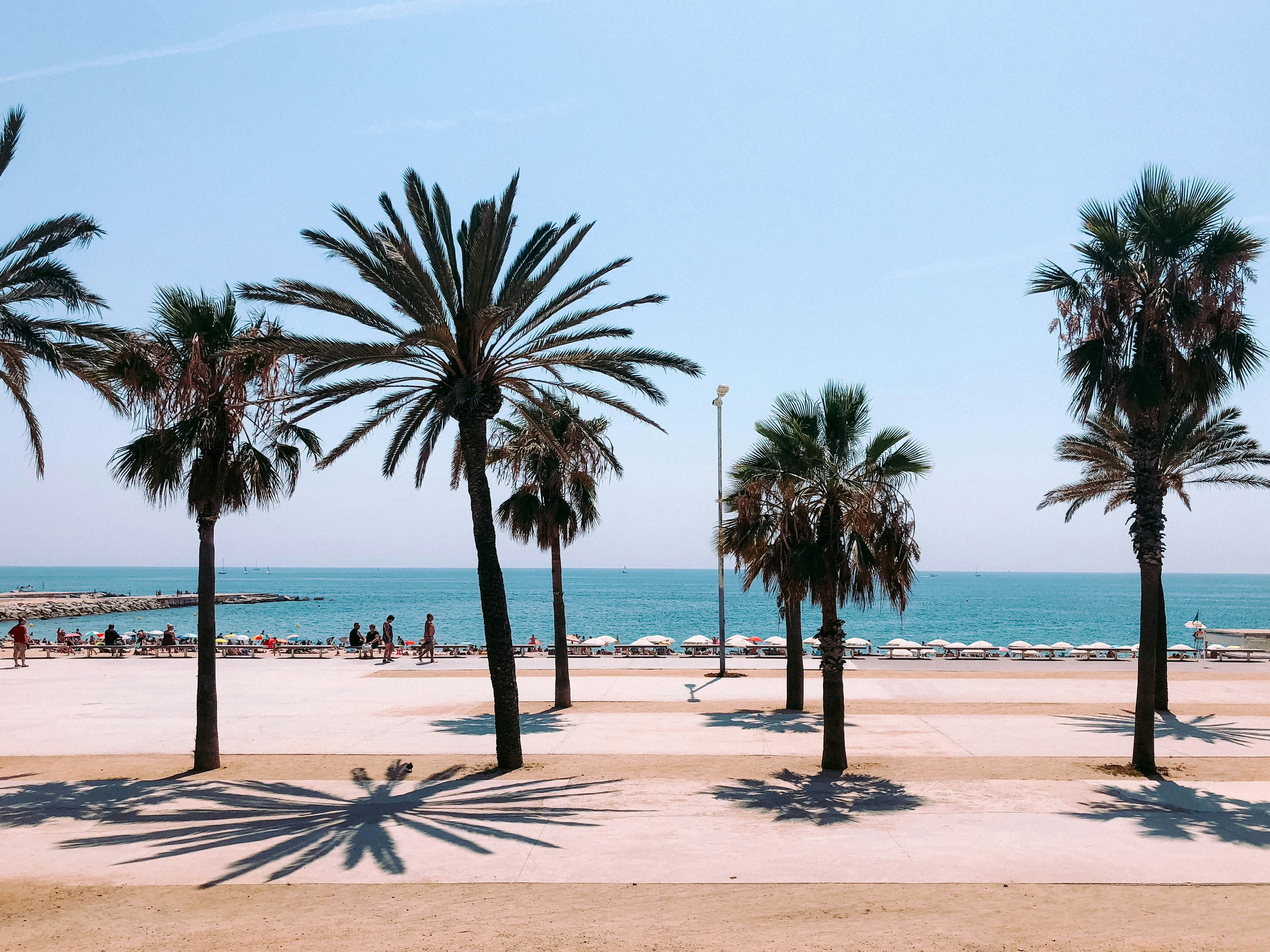
Tourism Versus Liveability: A Growing Dilemma
In countless coastal cities, the trajectory has become familiar. Tourism flourishes, short-term lettings proliferate, and residential neighbourhoods slowly transform into transitory spaces. Local tenants are displaced, traditional communities fragment, and housing prices spiral upwards—all while infrastructure struggles to accommodate swelling visitor numbers.
Malta has, in many respects, enjoyed the rewards of its appeal. But continued reliance on quantity-driven tourism risks undermining precisely what makes the island so desirable: its scale, charm, and quality of life.
To preserve these attributes, the focus must shift. Not away from visitors entirely, but towards attracting individuals who contribute meaningfully to the local environment—economically, socially, and culturally.

Digital Nomads, Second-Home Residents and the Evolution of the Modern Guest
The traveller of the future is no longer defined solely by leisure. Increasingly, the global elite and internationally mobile professionals seek places where they can live, work, and engage, rather than simply pass through.
These individuals - whether digital entrepreneurs, remote executives, or seasonal second-home residents - tend to remain for extended periods, occupy well-managed properties, and invest in the communities they inhabit. They require high-quality accommodation, stable infrastructure, cultural richness, and personal safety. And they give back - financially and intellectually - to the places they temporarily call home.
Unlike transient tourism, this mode of residency fosters consistency and cultural exchange. It strengthens neighbourhoods rather than hollowing them out. It supports boutique commerce and sustains essential services outside of peak travel periods. In short, it is residency, not tourism, that underpins long-term resilience.
Barcelona’s Model: A Restriction or a Redesign?
Barcelona’s approach - to allow short lets only in buildings entirely designated for tourism - is not merely a ban. It is a redefinition of purpose. It separates commercial tourism activity from residential life, protecting both from unsustainable overlap.
For Malta, such a concept is not only feasible but pragmatic. Clear zoning, differentiated licensing, and a distinction between residential housing and commercial accommodation can be implemented with relative ease. The question is not whether Malta can adapt, but whether it will do so in time to prevent more permanent consequences.
The Real Estate Perspective: A Shift from Transaction to Intention
From a property standpoint, this evolution invites a new approach. No longer is real estate solely a vehicle for short-term yield; it is once again becoming a foundation for lifestyle, legacy and stability.
As priorities shift, demand is increasingly centred around:
-
Refined residences suitable for long-term rental or semi-permanent use
-
Locations that combine tranquillity with connectivity
-
Fully serviced homes with integrated wellness, security, and workspace
-
Sustainable developments that honour architectural and cultural context
For discerning clients - those seeking quality over convenience - Malta has an opportunity to position itself as both a haven and a home.

Choosing Malta’s Next Chapter
The intention behind Barcelona’s regulation is not to vilify tourism, but to restore harmony between visitors and residents. Malta can learn from this precedent—not to mirror its restrictions, but to pursue its underlying principle: the long-term health of a place depends on the quality of its inhabitants, not merely their number.
With foresight and careful planning, Malta can choose to welcome individuals who understand the value of the island not only as a destination, but as a living, breathing society.
As a real estate agency that works with international clients, investors, and families relocating to Malta, we see the shift occurring already. More clients are seeking homes, not weekend stays; communities, not crowds. And the properties they choose reflect this preference: elegant, enduring, and thoughtfully placed.
It is time Malta aligns its policies with this emerging reality—before the market, and its people, demand it under more urgent terms.
Success!
Take A Look
Book Your Luxury
Property Tour Today!


