Luxury Living
26 May 2026
The Cellar Beneath the Stone
1 min read
Wine, identity, and the art of collecting in a changing world
Fine wine occupies an unusual position among collectible assets. It is agricultural in origin, artisanal in execution, and increasingly sophisticated as both a lifestyle expression and an investment category. For those who approach it seriously, the discipline of collecting wine requires the same rigour applied to any considered acquisition: knowledge of provenance, an understanding of market dynamics, and patience.
The world of wine is shifting, however — and in ways that make collecting more interesting, not less. Globally, the map of fine wine production is being redrawn. Tastes are evolving. The conversation around sustainability has moved from the margins to the mainstream. And here in Malta, a quiet story is unfolding that is worth understanding.
A Cellar is a Choice
There is a particular pleasure in opening a bottle you have been thinking about for years. Not a bottle acquired for its label or its auction estimate, but one chosen because you were somewhere beautiful when you tasted it, because someone whose palate you respect recommended it, or because the vintage corresponds to something worth marking. That kind of collecting — intimate, intentional, built around experience rather than portfolio management — is the kind that tends to endure.
Wine collecting on this island has never been about display. The collectors worth knowing here tend to be quietly serious: Champagne from houses they visited, Burgundy accumulated over decades, Italian bottles from Barolo to Etna, and a growing number of local wines that have earned their place on the same shelf. The cellar is personal. It tells you something about where the owner has been, what they value, and how they like to spend an evening.
That shift from trophy to testimony is one of the more interesting developments in the world of fine wine right now. Christie’s wine department, operating since 1766, continues to handle extraordinary collections — single-owner cellars, rare verticals, centuries-old Madeira and sought-after Bordeaux from classified estates, with bottles of Domaine de la Romanée-Conti, Pétrus and first-growth Bordeaux regularly achieving four and five-figure sums. But the buyers driving the upper end of the market have changed. They are less interested in acquiring names for their own sake and more interested in depth: producers they believe in, regions that feel genuinely undiscovered, wines with a story worth telling at the table.
The Global Picture is Changing
The global wine industry is in the middle of a genuine reckoning. Climate change is altering the production map in fundamental ways. Traditional European growing regions are seeing reduced yields and changes in grape character as average temperatures rise. Growers are recalibrating which varieties they plant, adopting new techniques, and in some cases moving to cooler elevations or entirely new regions where rising temperatures have only recently made viticulture viable.
The wines this produces — lighter, more tension-driven, with greater precision and freshness — happen to align with where consumer tastes are heading. Younger drinkers in particular favour wines that feel alive rather than weighty: varieties that are less familiar but more expressive of their place. Cool-climate regions from Germany’s Mosel to New Zealand’s Central Otago are benefiting, as are parts of France and Italy long considered peripheral to the premium conversation, from the Loire Valley to Alto Adige.
Meanwhile, premium production globally is moving in one clear direction: quality over volume, terroir over brand, authenticity over familiarity. The collectors who understand this early tend to build cellars of lasting interest. Those who chase recognised names often find themselves holding bottles that everyone wants but few find truly remarkable.
Sustainability as Standard
Perhaps the most significant structural shift in fine wine is the one hardest to see in the glass, but increasingly visible everywhere else. Sustainability has moved from being a differentiator to a baseline expectation. Organic, biodynamic, regenerative, and low-intervention approaches are no longer the preserve of small natural wine producers; they are becoming a requirement for any estate serious about long-term credibility.
Conscious consumers — particularly younger ones — are making purchasing decisions that reflect their values. Estates that can offer credible evidence of sustainable practice, rather than simply the language of it, are finding stronger market loyalty and better long-term pricing. New Zealand has demonstrated what collective commitment can achieve, with 98% of its producing vineyard area certified under a national sustainability programme. In Tuscany, leading producers describe a decisive shift towards better growing areas, organic over ordinary, quality over quantity.
For the collector, sustainability is becoming a lens as useful as provenance. A bottle from an estate farming regeneratively, working with indigenous varieties, and building soil health over generations carries a different kind of value — one that aligns with how the most discerning buyers are beginning to think about everything they acquire, from property to art to wine.
What Malta’s Climate Demands
None of this happens by accident on this island. Malta’s summers are long, bright and genuinely hot, with ambient temperatures that routinely exceed 30°C. Fine wine stored without purpose-built infrastructure is at risk of premature ageing. The ideal cellar environment — consistent temperatures between 10°C and 14°C, humidity around 70 per cent, minimal vibration, and darkness — requires deliberate investment.
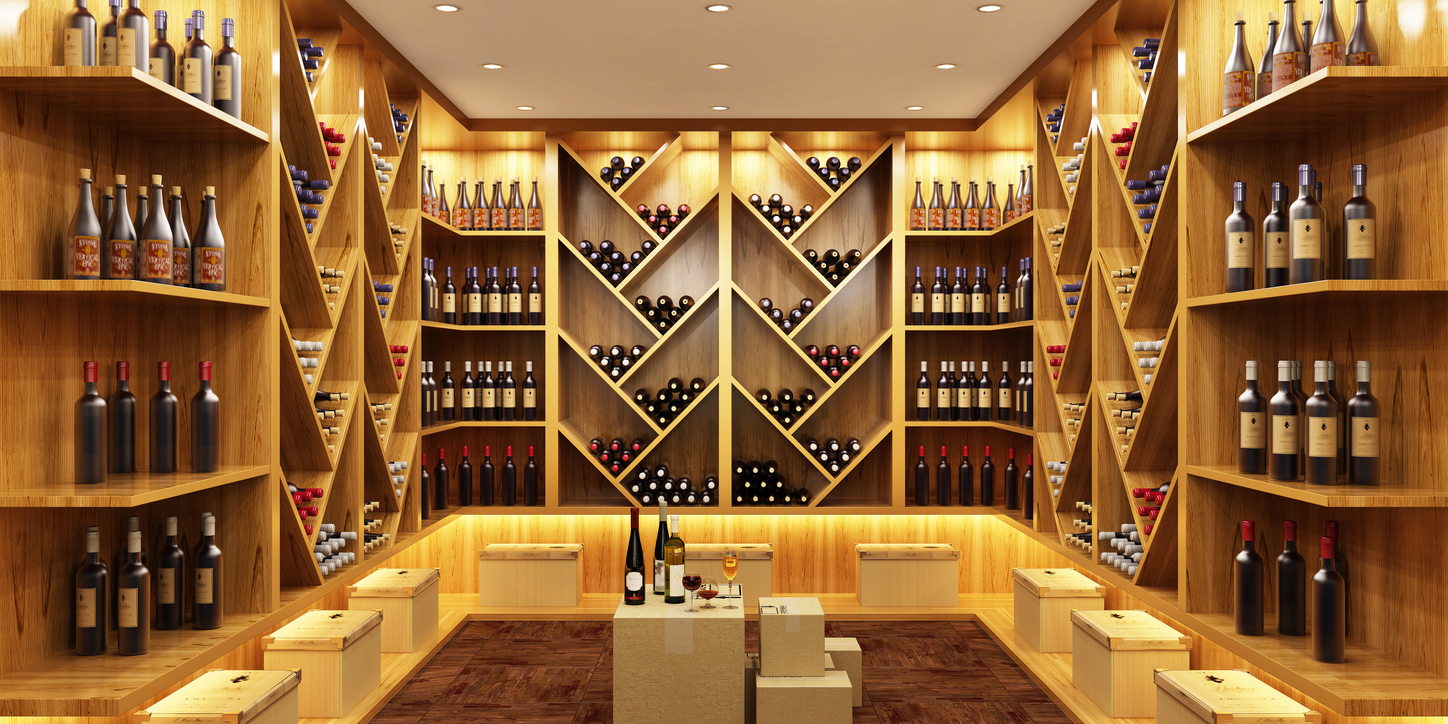
This is why the best residential properties on the island increasingly treat the wine cellar not as an afterthought but as a considered room. Architects working on high-end homes across Valletta, Madliena and the northern coast are designing cellars that function beautifully and present equally well: racking in stone or reclaimed timber, glass enclosures that make the collection visible from the living space, tasting areas that double as intimate dining rooms. The cellar has become an architectural statement as much as a practical space — designed for hosting, for sharing, and for the quiet ritual of selection.
Three properties currently listed with Christie’s International Real Estate Malta illustrate the range of possibilities available to the serious collector: from a dedicated cellar already in place, to historic fabric that invites one to be created, to traditional construction that makes the project entirely natural.
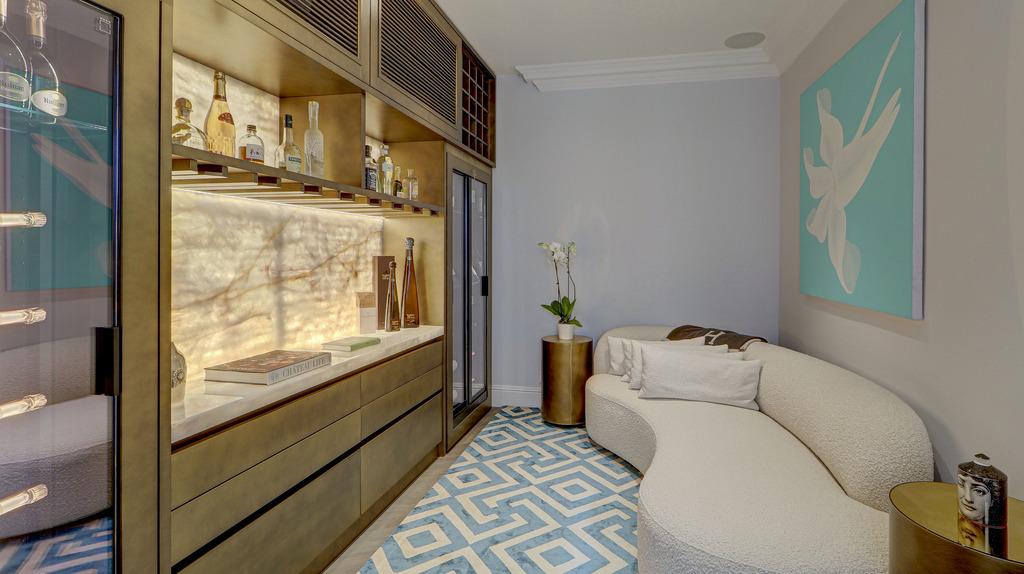
PROPERTY IN FOCUS | 4-Bedroom Luxury Residence - Sliema, Malta
An exceptional luxury town house with refined marble interiors, advanced smart-home systems, and a considered layout across multiple entertainment levels — cinema room, office and gym.
The property includes a dedicated wine cellar alongside a heated lap pool, lift and terrace. For a collector arriving in Malta with an established collection, or building one from scratch, this is a home that has already answered the question of storage with the same attention given to every other room. The infrastructure is there. The collection simply needs to follow.
PROPERTY IN FOCUS | Qrendi House of Character
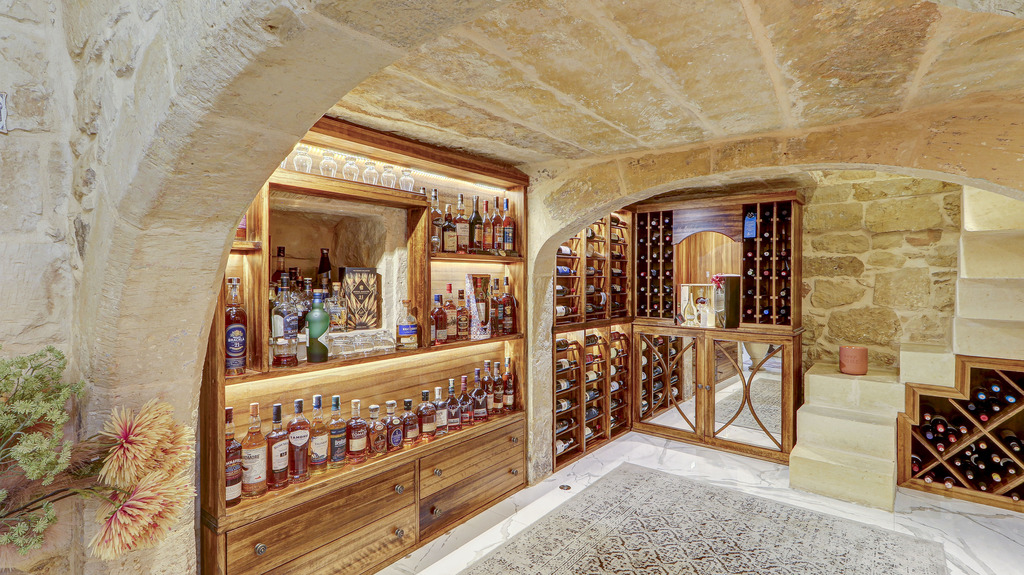
This stunning House of Character seamlessly blends traditional Maltese architecture with contemporary luxury. Stone archways, a Maltese foyer, and a historic wine cellar — framed by a cosy seating nook and a lofted stone study platform — anchor the home in authentic character, while high-end finishes elevate every space. The open-plan living area flows to a private heated pool, sun deck, and outdoor kitchen. A bespoke cinema room, marble bathrooms, and a feature fireplace complete the interior. Four en-suite bedrooms include a master with walk-in wardrobe. A rooftop terrace with sweeping village views and a private garage add the finishing touch to this exceptional home.
PROPERTY IN FOCUS | Santa Maria Estate Villa
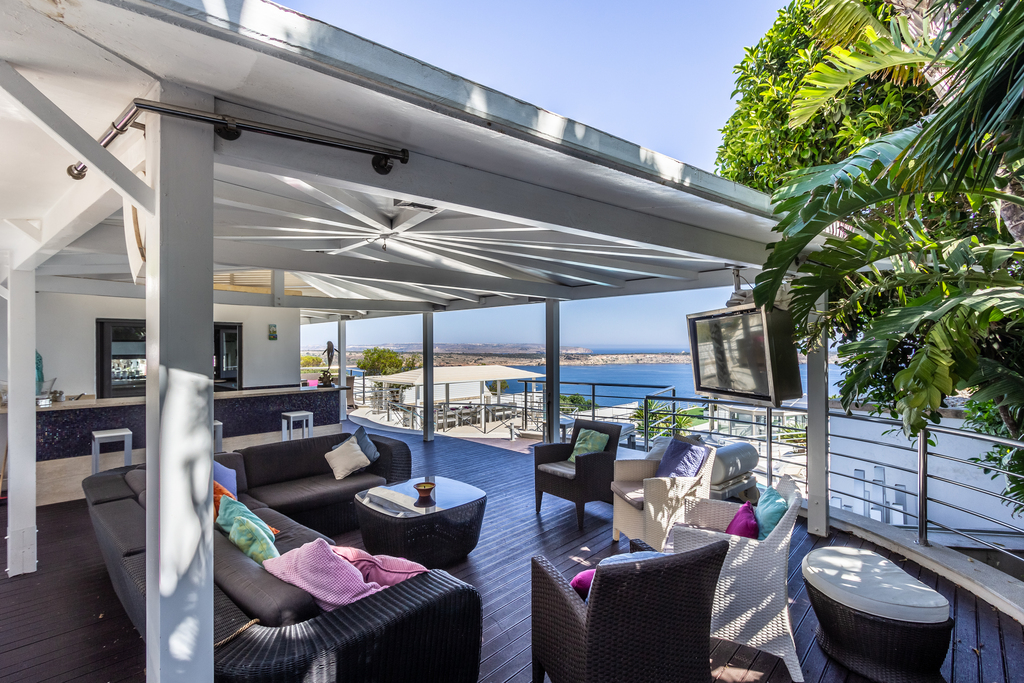
A rare and truly exceptional detached villa spanning 2,371m², set within an established residential area with sweeping sea and Gozo views. Occupying a quiet cul-de-sac and bordering a natural rocky ridge, this three-floor residence offers an unmatched combination of privacy, scale, and setting. At its heart, a dedicated wine cellar sits alongside a private gym, cinema room, and garage — a basement level designed for serious living. The ground floor centres on an open-plan living and dining space framed by sea views, four double en-suite bedrooms, and three terraces. Above, a spectacular rooftop pool with cascade, bar, BBQ, and chill-out areas crowns the property.
Malta’s Winemaking Moment
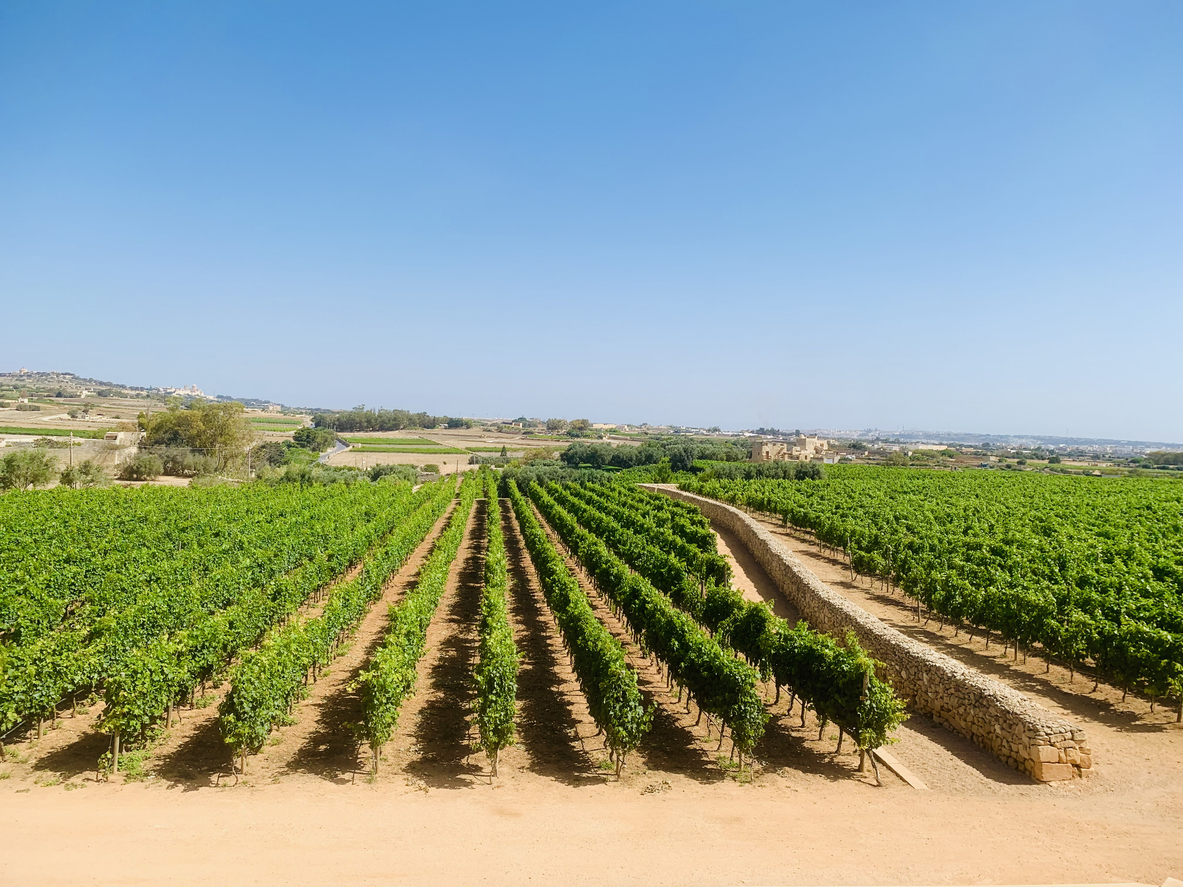
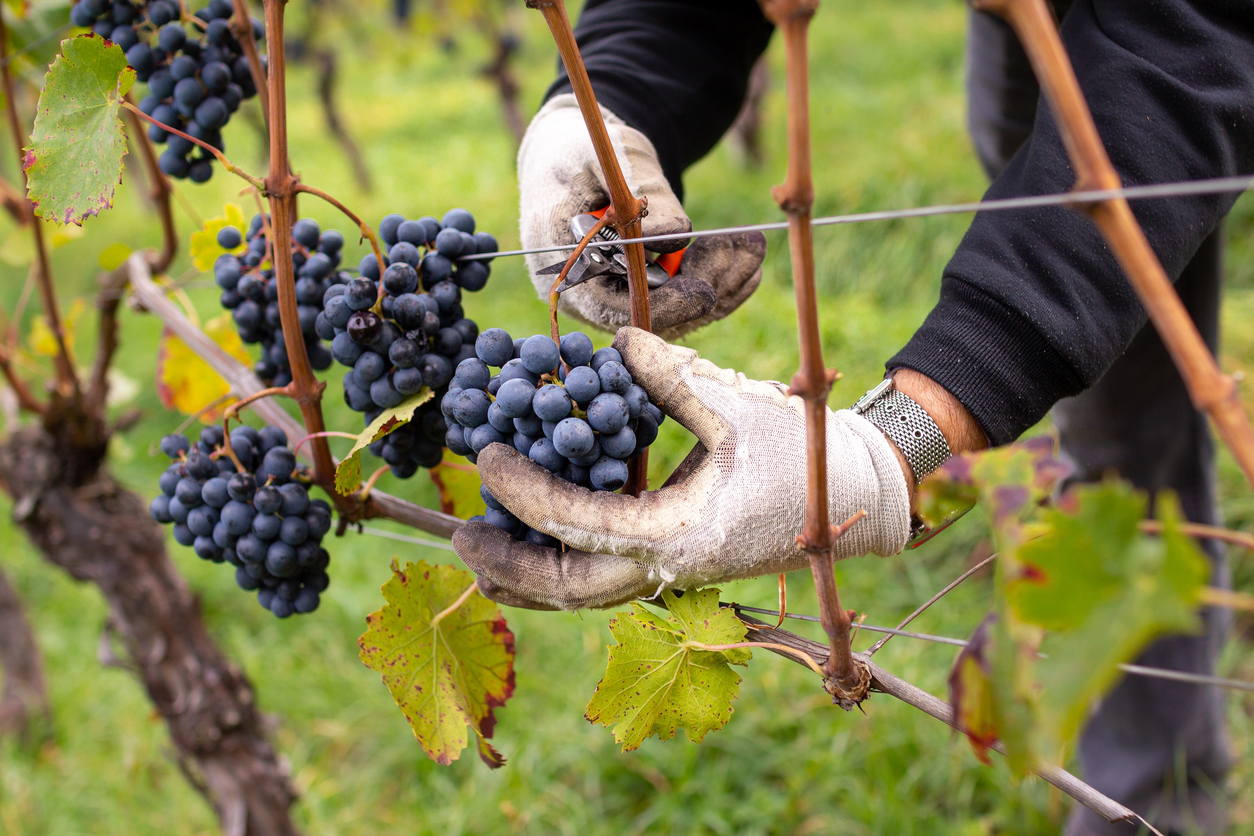
What makes the wine conversation in Malta particularly compelling right now is what is happening in the vineyards themselves. For much of the twentieth century, local production leaned heavily on international varieties — Cabernet Sauvignon, Syrah, Chardonnay — planted to satisfy a market more confident in the familiar than the indigenous. The island’s own grapes, Ġellewża and Girgentina, were commercially marginalised, used mostly in blends or made into inexpensive frizzante rosé.
Ġellewża is a dark-skinned red variety whose name derives from the Arabic for hazelnut: medium-bodied, bright with cherry, and elegant when handled with care. As a solo variety it can be elusive, but blended with Syrah or used to add freshness to a more structured red it produces something genuinely expressive of where it comes from. Girgentina, the white counterpart, is of probable Phoenician origin — light-bodied, high in acidity, with citrus and green apple on the palate and a delicate floral quality, orange blossom the note most commonly cited, that makes it a natural partner for the island’s food culture. It also retains its acidity well in heat, a quality that matters increasingly in a warming Mediterranean.
A new generation of winemakers, supported in part by the introduction of the DOK appellation system in 2007, has begun working with both varieties on their own terms. Producers including Marsovin, Delicata and Meridiana have invested seriously in this direction, and the quality of their releases has improved markedly. What lies behind this revival is also a sustainability story in the most literal sense. Before phylloxera swept through Mediterranean vineyards in the nineteenth century, Malta is thought to have cultivated over a hundred distinct autochthonous grape varieties. Almost all were lost. The two that survived represent a fragile heritage and a genuine opportunity: the chance to build a wine identity rooted in limestone soil, sea air and lived memory. The growers championing these varieties are working regeneratively — recovering something that was nearly gone and making it relevant again.
Most collectors on the island curate broadly: Champagne, Burgundy, Italian and Iberian bottles drawn from years of travel sitting alongside local discoveries. That breadth is one of the pleasures of building a cellar here. The island’s position at the crossroads of the Mediterranean means wine from virtually every serious region finds its way to the table — and the growing confidence of Maltese production means there is now something worth adding from the place itself.
The Architecture of Collection
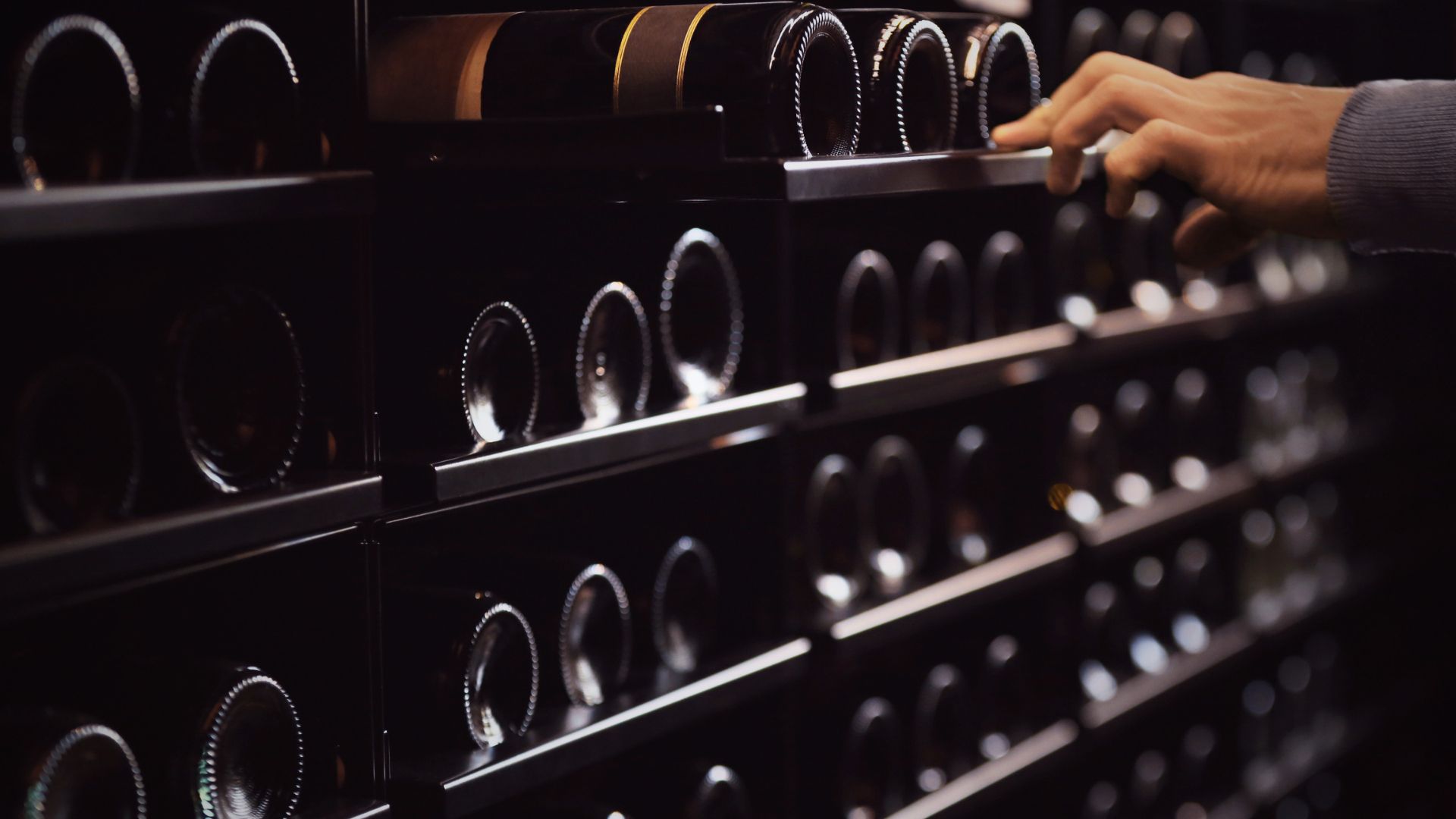
Within luxury real estate, wine storage has evolved into an architectural statement. Architects working on restored palazzos and contemporary villas increasingly design cellars as fully considered spaces: racking in stone or reclaimed wood, tasting areas, glass walls that allow the collection to be seen from adjoining living spaces. These rooms are designed not simply for preservation but for presentation — environments where hospitality and shared appreciation converge naturally.
The global shift towards experiential consumption — where the story and setting of a wine matters as much as what is in the glass — is expressed most clearly at home, in rooms designed for exactly that purpose. The cellar becomes the beginning of an evening rather than simply its storage facility. For many collectors, it is ultimately about continuity: bottles acquired not solely for resale, but to mark milestones, to be opened at family gatherings, or to be passed on. In this sense, fine wine aligns closely with the ethos that has always guided Christie’s — the stewardship of things that transcend the purely transactional.
The Collector’s Position
For the serious collector living in Malta, all of this creates a genuinely interesting moment. The established pillars of a well-built cellar — Champagne, Burgundy, aged Rioja, wines from Etna and the Douro — remain accessible through auction, specialist importers, and the network of contacts that collecting tends to build. To those, a growing number of collectors are adding local bottles: not out of obligation, but because the best of what is being produced here can stand on the same table without apology.
A home with the right cellar, the right structure, and the right relationship to stone and light is one of the things that makes that kind of life possible. Whether it is a dedicated wine cellar within a refined Sliema residence, the vaulted lower levels of a Valletta palazzo waiting to be transformed, or the solid stone bones of a Maltese town house that simply needs the right vision applied — the starting point matters. The best collections, like the best properties, are built with intention from the beginning.
Christie’s International Real Estate Malta works with collectors and connoisseurs considering the acquisition or consignment of bottles through the Christie’s auction house, connecting discerning clients with one of the world’s most established platforms for the sale of fine wine.
Success!
Take A Look
Book Your Luxury
Property Tour Today!


