Architecture and Design
22 July 2026
Town Houses in Malta: The History Behind the Island's Most Distinctive Property Type
1 min read
Few property types carry as much history in their walls as the town house. Long before "town houses in Malta" became a familiar search term for buyers and tenants drawn to the island's period architecture, the town house itself had already travelled several centuries and two continents.
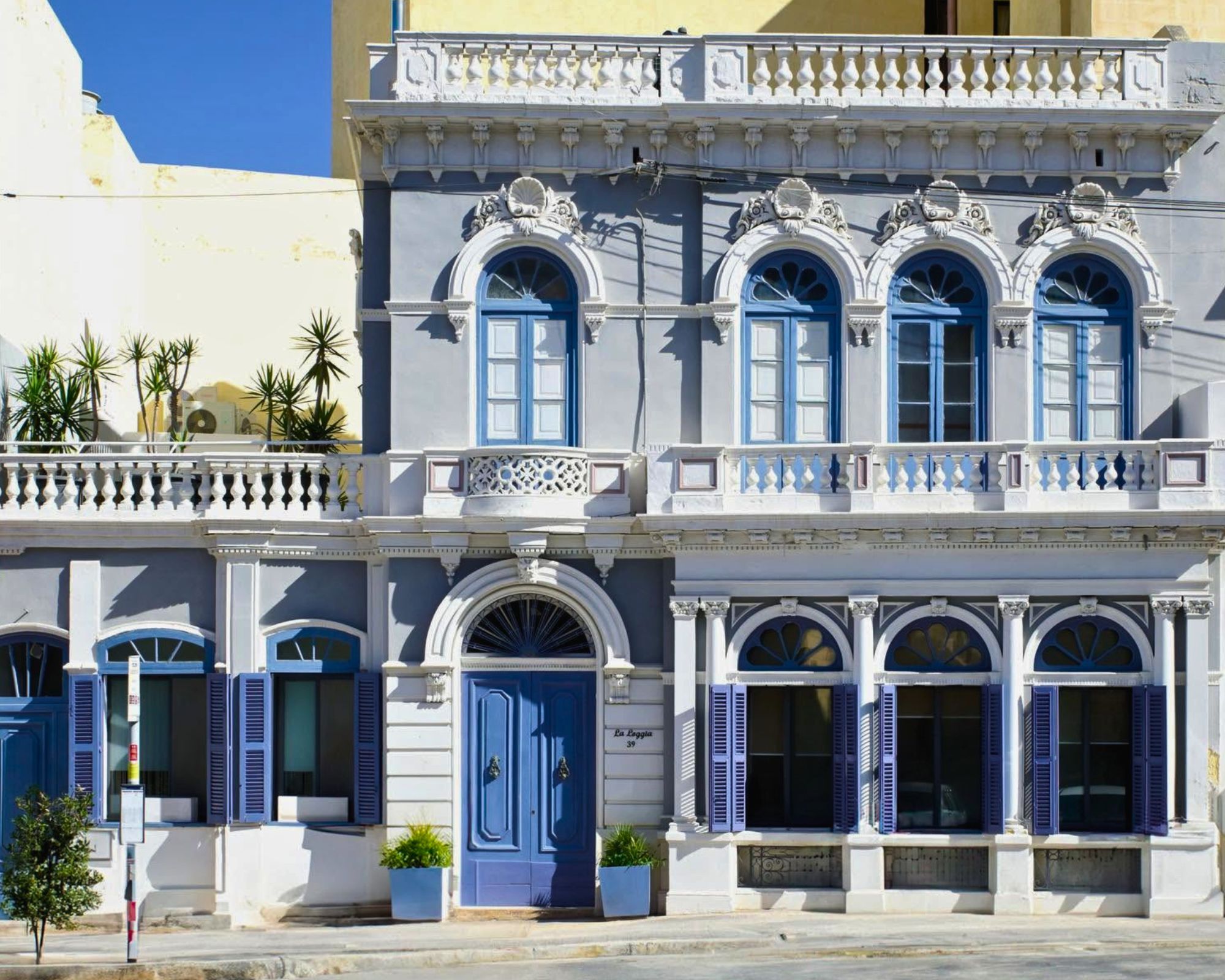
Its story begins in the capitals of seventeenth-century Europe and ends, for our purposes, in the sun-bleached village cores of Malta, where limestone facades and enclosed wooden balconies still define what a town house is understood to be.
The Origins of the Town House: London and Paris in the 1600s
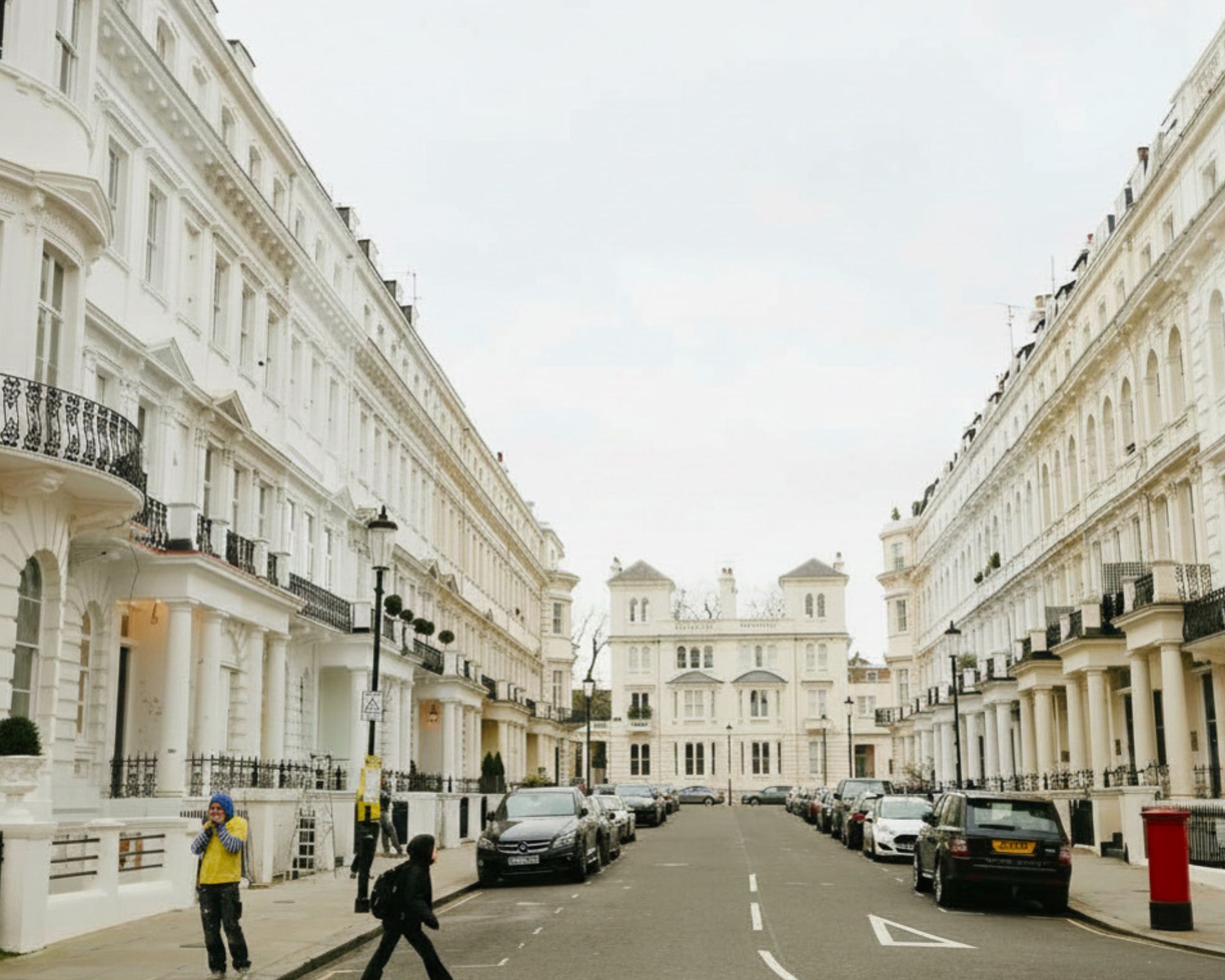
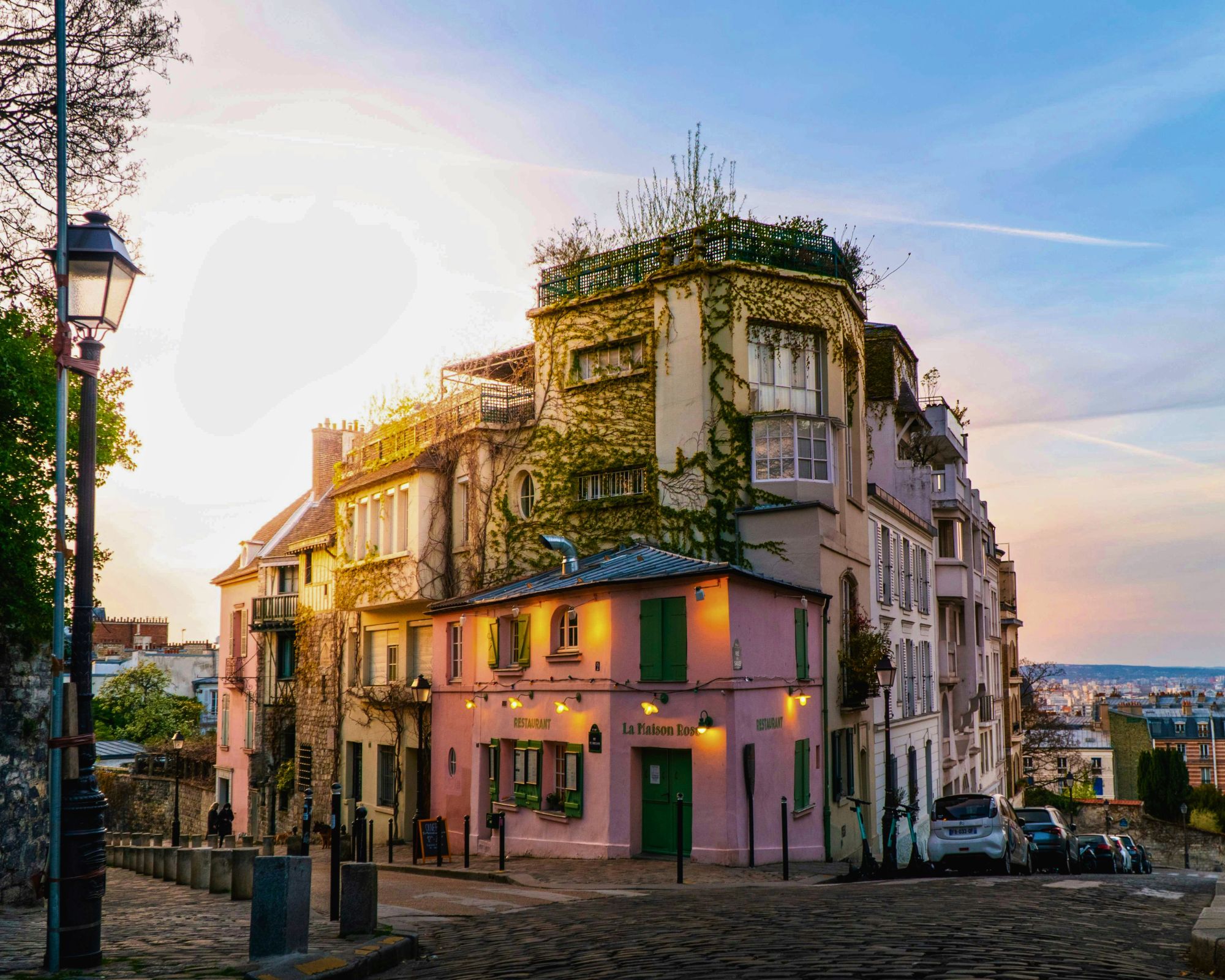
The town house as a recognisable building type emerged in London and Paris during the early seventeenth century. Wealthy families who owned country estates required a second residence in the city, close to court, parliament, and society, and the town house answered that need. Built in continuous rows along fashionable streets, these properties shared party walls with their neighbours, rose several storeys, and presented a narrow, formal facade to the street while extending backwards into the plot. The arrangement was efficient for expensive urban land, and it quickly became a mark of status rather than a compromise.
By the eighteenth century, the Georgian town houses of London and their French counterparts had established the conventions still associated with the type today: symmetrical windows, a raised ground floor, decorative ironwork, and a strict verticality of room to room, floor to floor, rather than the horizontal spread of a country house.
A Style That Travelled: The Town House in America
The town house crossed the Atlantic with colonial and, later, Dutch and English settlers, taking hold first in New York. Terraced rows built for merchants and professionals borrowed directly from London and Paris, before evolving into distinctly American forms during the nineteenth century. Brownstone facades, cast-iron detailing, and the Beaux-Arts flourishes that followed the 1893 Chicago World's Fair all left their mark on the American town house, which by then had become the standard urban home for the professional and merchant classes on the eastern seaboard.
How the Town House Took Root in Malta
Malta's own town house tradition developed along a parallel, though distinct, path, shaped by the island's position at the crossroads of Mediterranean trade and by nearly three centuries of rule under the Order of St John. As Valletta and the harbour towns grew during the sixteenth and seventeenth centuries, knights, merchants, and noble families built substantial residences within the new fortified city, adapting local limestone construction to the Baroque tastes arriving from Sicily and mainland Italy.
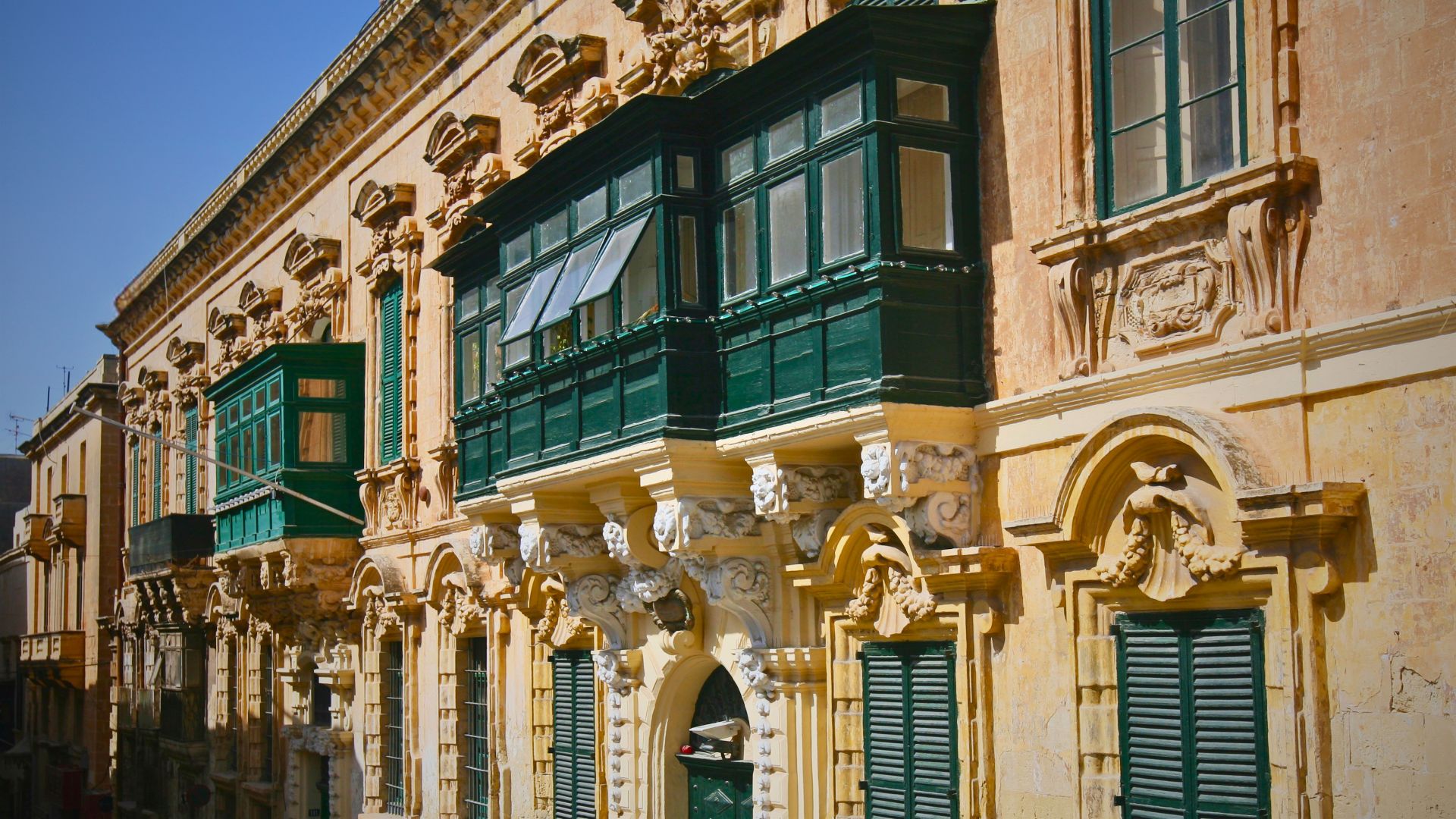
One architectural feature in particular came to define the Maltese town house: the gallarija, an enclosed timber balcony that projects from the upper floor. Its earliest documented appearance dates to around 1675, at the Grandmaster's Palace in Valletta, and it is widely understood to descend from the muxrabija, itself related to the Arabic mashrabiya, a screened opening that allowed a view of the street while preserving the privacy of those within. Through the eighteenth century, as Baroque architecture spread from Valletta to the Three Cities and beyond, the gallarija became widespread, its stone corbels and glazed timber panels growing increasingly ornate. By the twentieth century, the same feature was being reinterpreted in simpler Art Deco lines, proof of a design element flexible enough to absorb three centuries of changing taste without losing its identity.
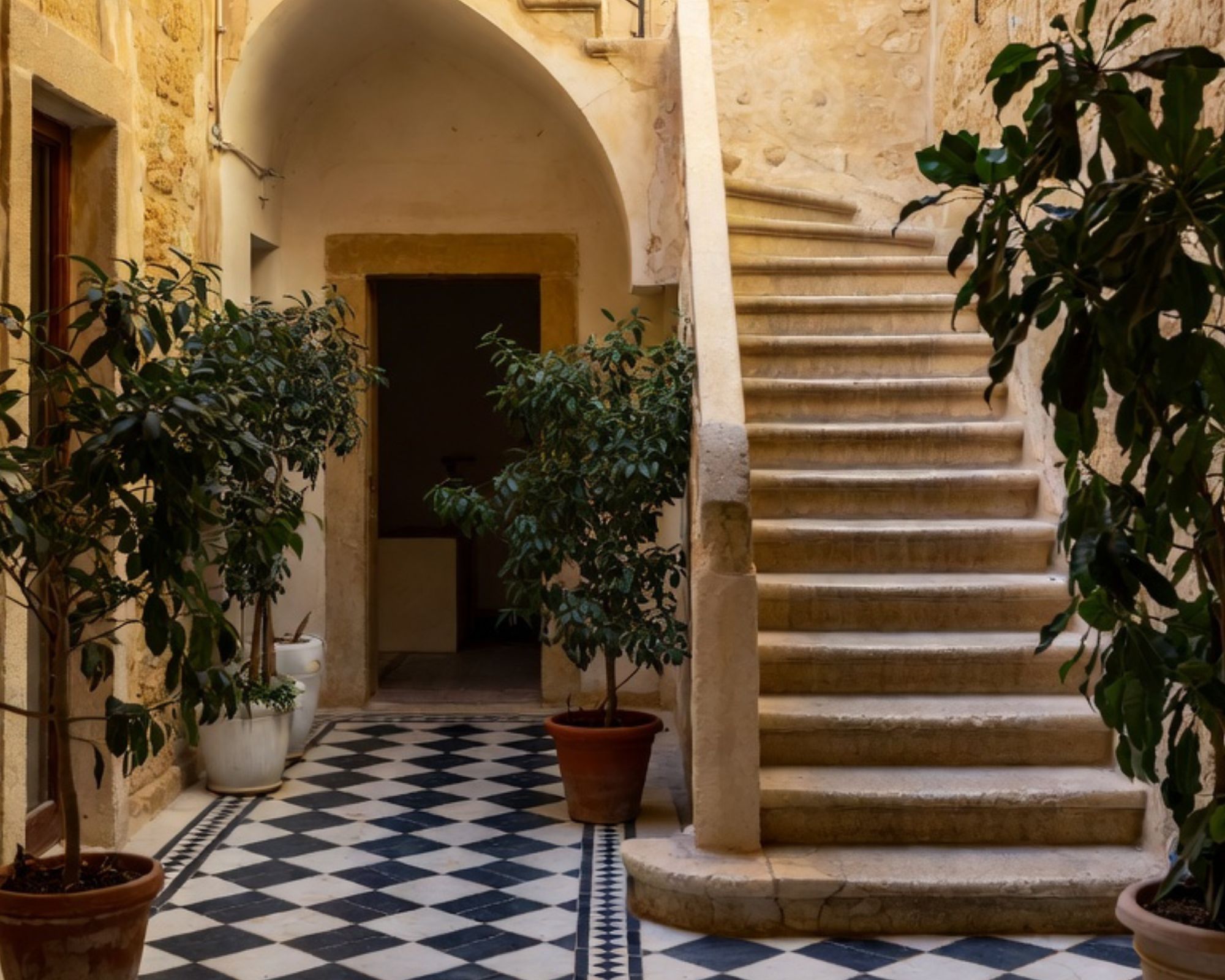
Beyond Valletta, the same building logic, a tall, narrow, party-wall dwelling arranged around a central stone staircase, spread through Malta's older towns and villages as populations grew and land within the walls became scarce. The result is the town house familiar across the island today: a home built for urban and village life, several centuries before the term "town house" had any currency in property marketing.
The Defining Features of a Traditional Maltese Town House
What distinguishes a Maltese town house from its London or New York equivalent is the extent to which its architecture was shaped by climate as much as by fashion. Among its most consistent features:
- Honey-coloured globigerina limestone facades, quarried locally and prized for both its workability and its ability to keep interiors cool.
- The gallarija, Malta's enclosed wooden balcony, offering ventilation, shade, and a discreet view of the street.
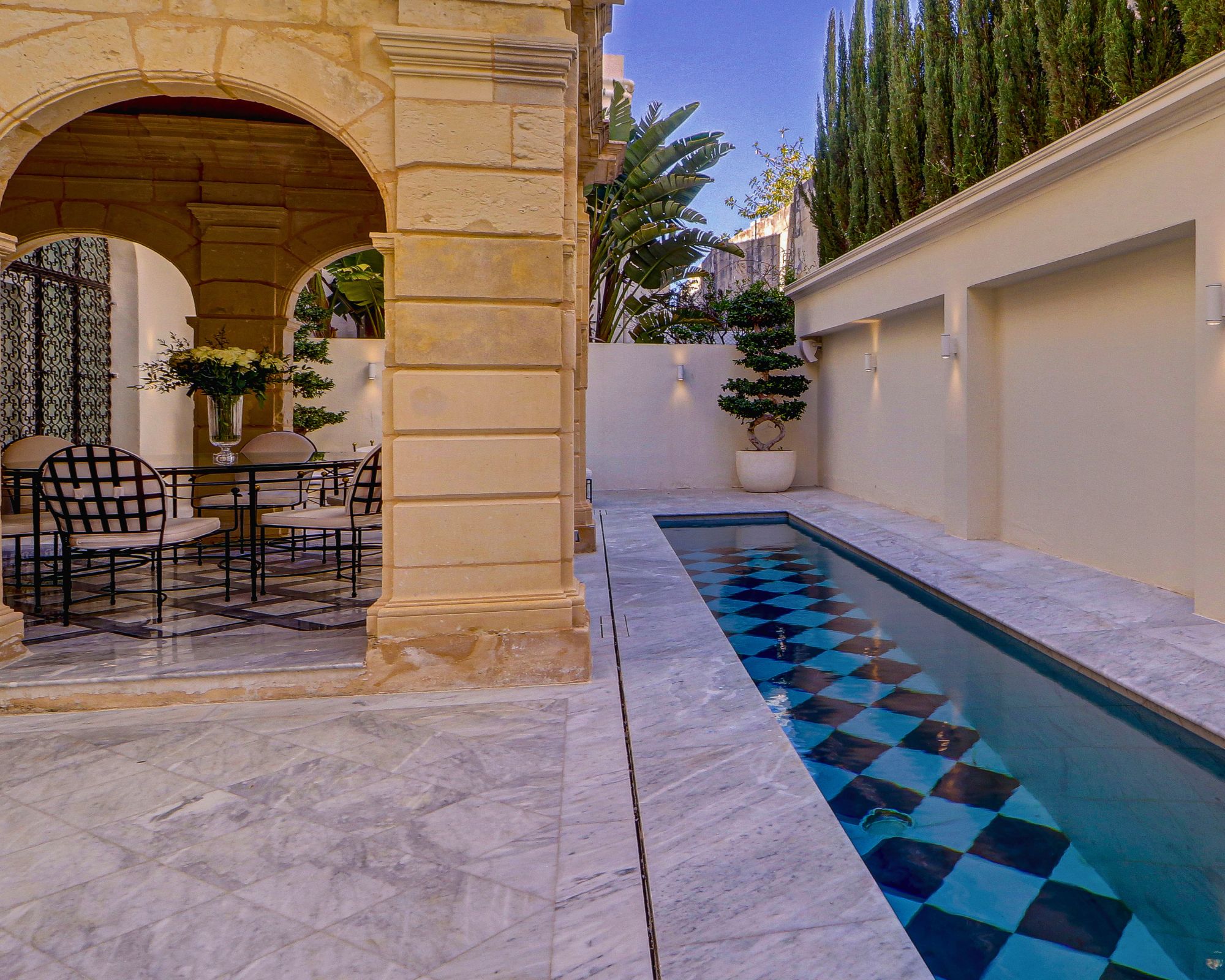
- Internal courtyards, often open to the sky, drawing light and air into the centre of a deep, narrow plan.
- Stone staircases and high ceilings, designed to encourage airflow through the building during the hottest months.
- Patterned encaustic and cement tiles, an adaptation that reached Maltese town houses roughly three centuries ago and remains one of their most photographed details.
- A private well, a legacy of the water-security requirements introduced under the Order of St John.
Each of these elements was a practical response to a hot, dry climate and a fortified, land-scarce island, long before it became a design detail admired for its own sake.
Why Town Houses Remain Malta's Most Sought-After Historic Property Type
Traditional town houses are, by their nature, no longer being built. The building stock that survives, in Valletta, the Three Cities, and Malta's older village cores, represents a finite architectural inheritance rather than a category that can be replenished. That scarcity, combined with the depth of restoration involved in returning a period town house to its original character, has made these properties a distinct segment of Malta's luxury residential market, appealing equally to those seeking a permanent residence with genuine architectural pedigree and to those restoring a town house as a long-term investment.
Town Houses for Sale and for Rent in Malta: Where to Look
Christie's International Real Estate Malta specialises in the sale and long-let rental of town houses across the island's most established addresses, from fully restored period homes to properties awaiting sympathetic renovation. Among the most sought-after locations:
- Valletta and the Three Cities (Birgu, Senglea, Cospicua) – the island's original town house architecture, dense with Baroque detail and UNESCO-protected streetscapes.
- Sliema and St Julian's – coastal towns where refurbished town houses sit alongside Malta's contemporary luxury developments.
- The Three Villages: Balzan, Attard, and Lija – historic village cores in central Malta, long favoured for their period residences and proximity to San Anton Gardens.
- Naxxar and Mdina/Rabat – inland towns combining architectural heritage with easy access across the island, Naxxar's Palazzo Parisio among its most distinguished neighbours.
- Żebbuġ and the wider south – increasingly recognised for well-preserved town houses at the heart of authentic village life.
Whether the objective is a restored family residence, a rental home with genuine architectural character, or a restoration project in one of Malta's protected urban conservation areas, our team can guide buyers and tenants through the town houses currently available for sale and for rent across these locations.
Success!
Take A Look
Book Your Luxury
Property Tour Today!


