Property News
30 April 2026
How Property is Valued in Malta: Market Drivers and Key Risks
1 min read
The Maltese property market in 2026 continues to attract sustained international demand, particularly from buyers originating in the United Kingdom, United States, and United Arab Emirates. The market is characterised by structural land scarcity, strong tourism and expatriate inflows, and a tightly regulated planning framework that directly influences property values, redevelopment potential, and long-term capital appreciation.
Recent market data indicates that Malta remains in a phase of moderate but consistent price growth rather than speculative expansion. Residential property prices increased in the range of approximately 4 to 7 percent year-on-year in recent reporting cycles, with apartments continuing to dominate transaction volumes due to limited land availability and strong rental demand fundamentals.
However, beneath headline growth figures, the market is increasingly segmented, and valuation accuracy has become one of the most critical determinants of investment success.
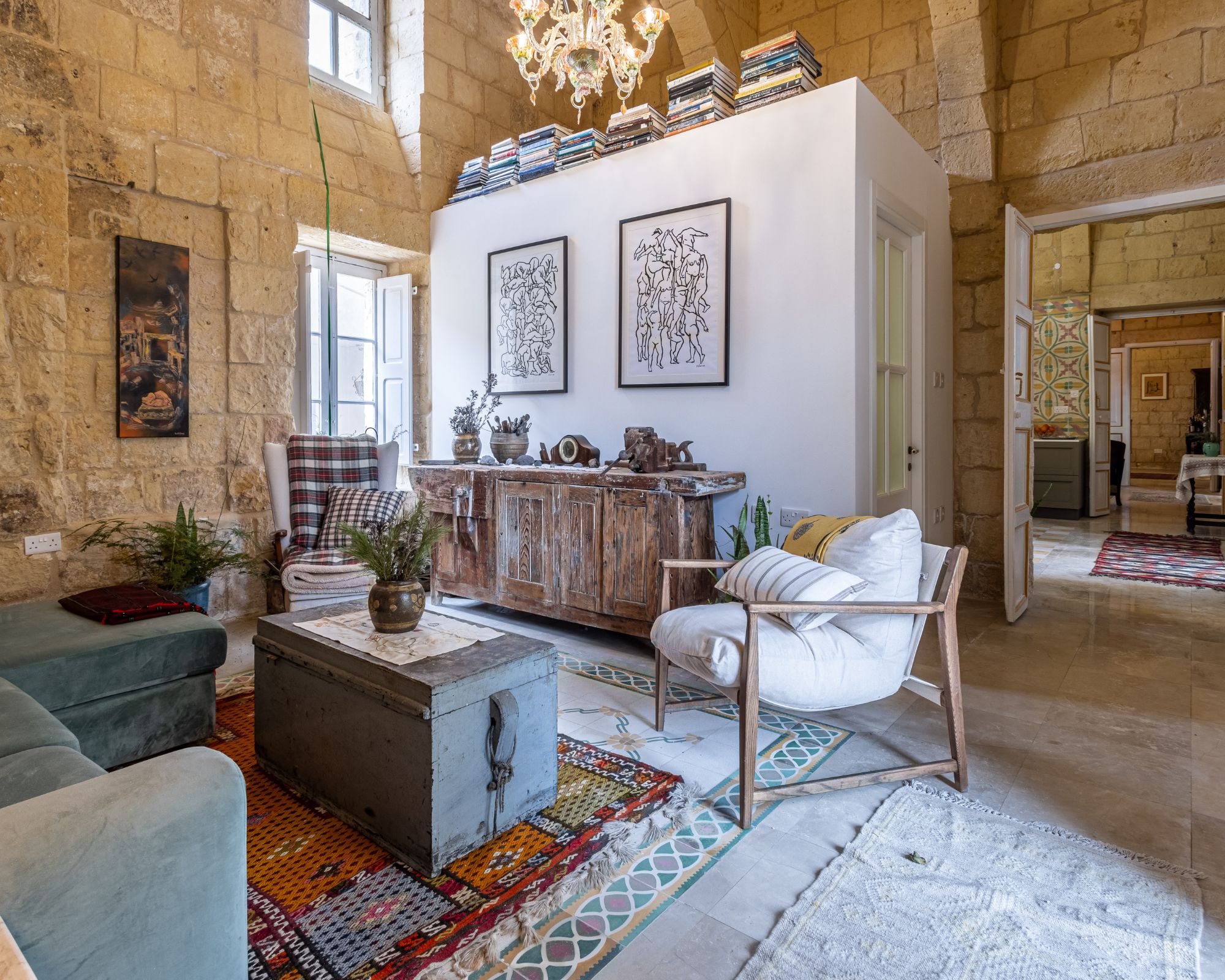
Market Structure and Current Conditions
Malta’s real estate market is defined by three structural forces:
First, physical land constraints. Malta is one of the most densely built environments in Europe, with a very high proportion of developed land and limited scope for horizontal expansion. This naturally creates upward pressure on values in established urban zones.
Second, foreign buyer demand concentrated in specific districts, particularly Northern Harbour locations and designated investment zones.
Third, a mature but strict regulatory environment covering planning permissions, building heights, and rental licensing.
These factors create a market where pricing is not purely demand-driven, but heavily influenced by regulatory permission value and development potential.
Key Growth Areas and Price Performance Divergence
Not all regions in Malta perform equally. Price appreciation is highly location-dependent and strongly influenced by infrastructure, tourism demand, and development pipeline.
The strongest-performing and most liquid areas remain:
Sliema, St Julian’s and Gżira
These locations continue to represent the core of Malta’s premium residential market. Demand is driven by expatriates, professionals in financial services and iGaming, and short-let investors in permitted zones. Price resilience is supported by walkability, coastal frontage, and strong rental absorption.
Valletta and the Three Cities
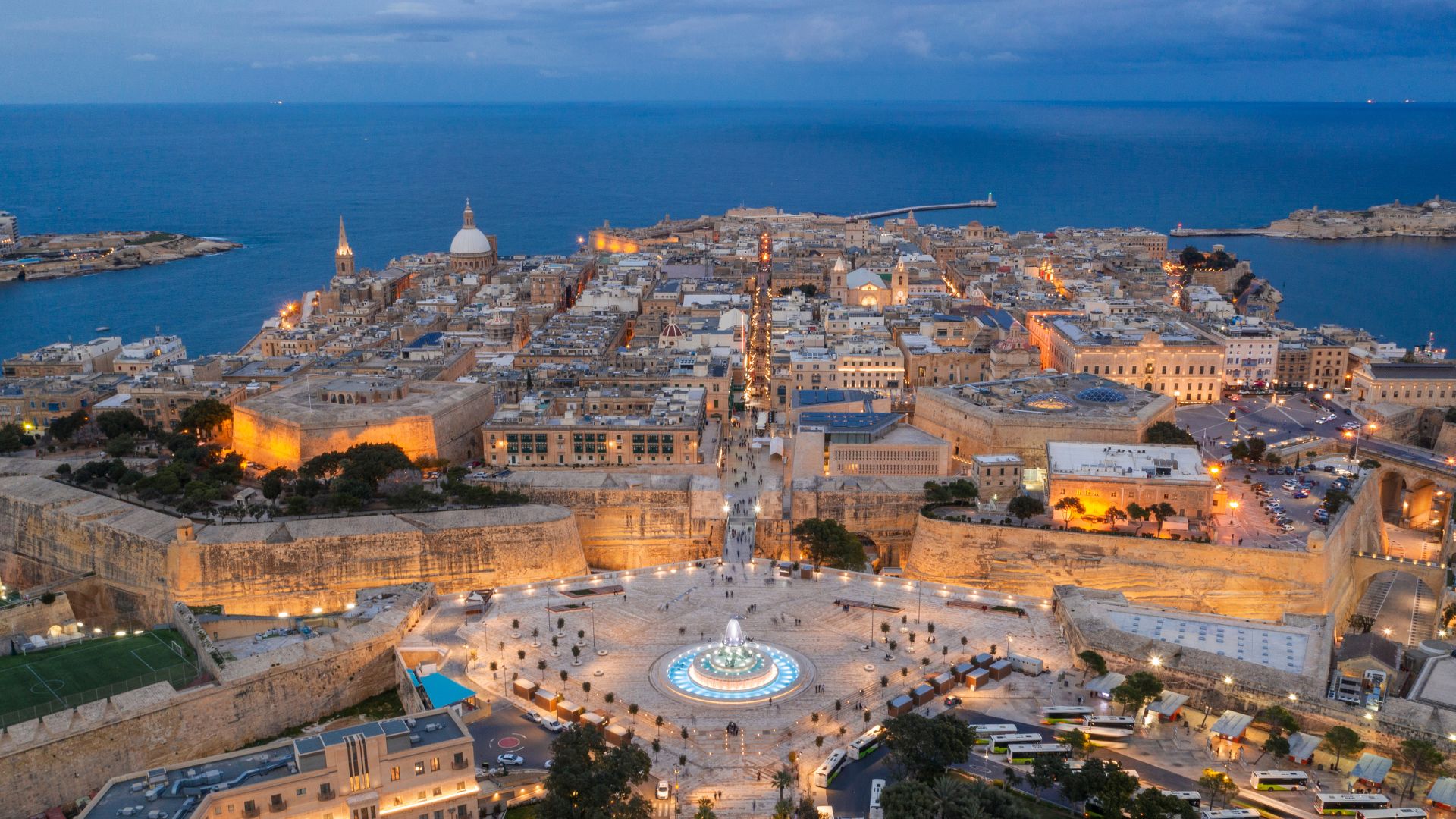
Valletta remains a constrained heritage market where supply is structurally limited due to UNESCO protections and strict planning controls. The Three Cities are increasingly seen as value alternatives with historic character and improving connectivity.
Northern Harbour district generally
This remains the most liquid investment corridor due to proximity to employment hubs and lifestyle infrastructure.
Secondary growth areas include parts of St Paul’s Bay and Mellieħa, where relative affordability continues to attract both domestic and foreign buyers, although capital appreciation is more cyclical and sensitive to tourism demand.
At the lower end of growth performance are more inland or oversupplied districts, where liquidity is thinner and resale timelines are significantly longer.
Recent transaction data confirms that apartments remain the dominant asset class, representing the vast majority of new supply and transaction activity, reinforcing the structural preference for high-density developments over standalone housing stock.
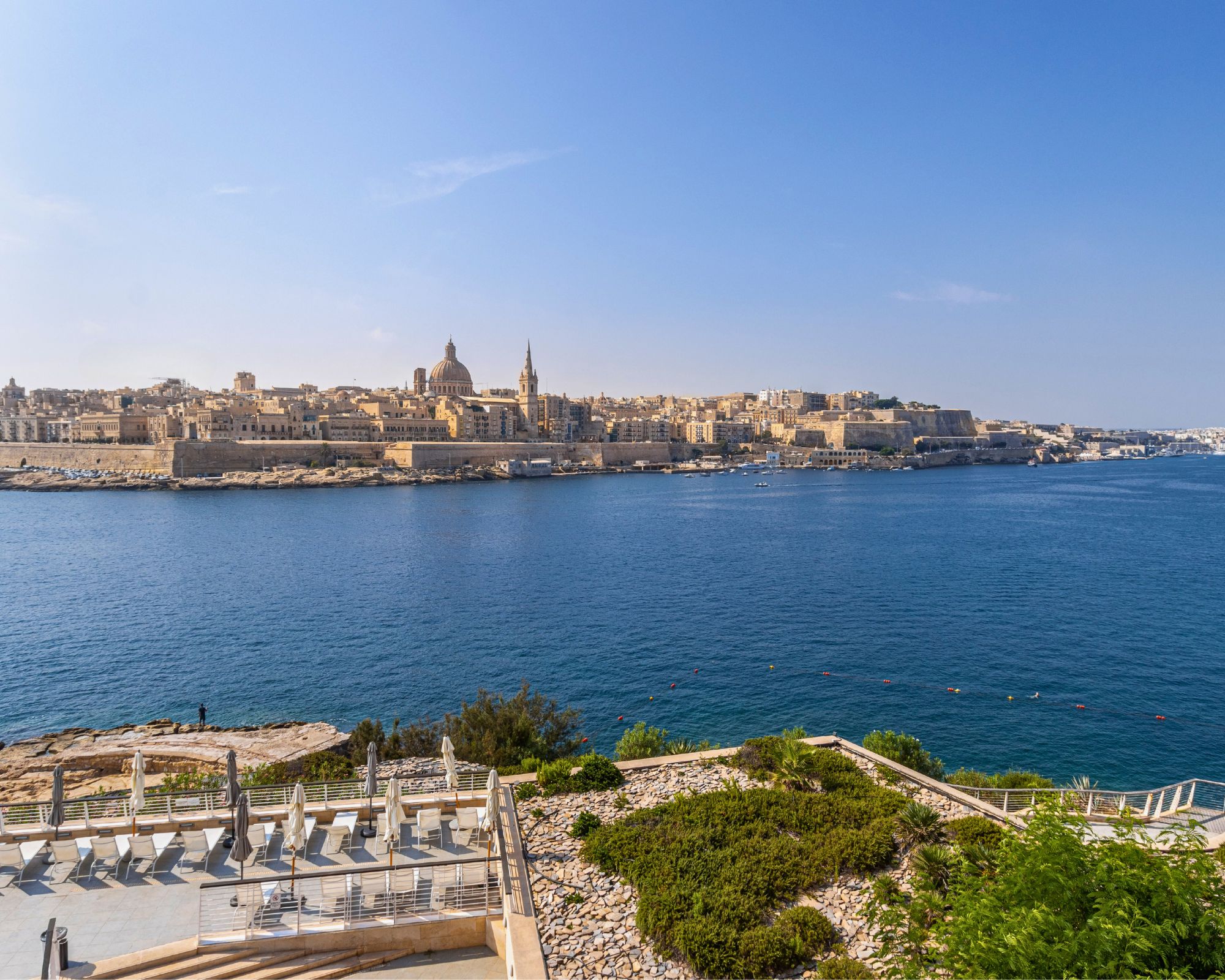
Planning System, Building Heights and Future View Risk
One of the most critical but often underestimated factors in Maltese property valuation is the planning regime.
Development in Malta is governed by strict zoning, density, and height limitation rules, administered through national planning authorities. However, within these rules there is still scope for incremental intensification, meaning that surrounding plots may be redeveloped over time.
This creates a specific investment risk known as “view erosion risk”, particularly in coastal and high-value zones such as Sliema, St Julian’s, and Gżira. A property with open sea views today may be partially or fully obstructed in the future due to permitted adjacent development.
In practice, this means:
Properties with protected view corridors or corner positioning command a structural premium
Upper-floor apartments with long-term view security are materially more valuable
Ground-floor or mid-block units without visual protection are more exposed to future depreciation risk
In Malta, view protection is not absolute unless explicitly safeguarded through planning restrictions or heritage zoning. Investors must therefore treat views as a depreciating or at-risk feature unless legally secured.
Renovation, Redevelopment and Value Impact
Renovation potential is another major valuation driver in Malta, but it is also tightly constrained by regulation.
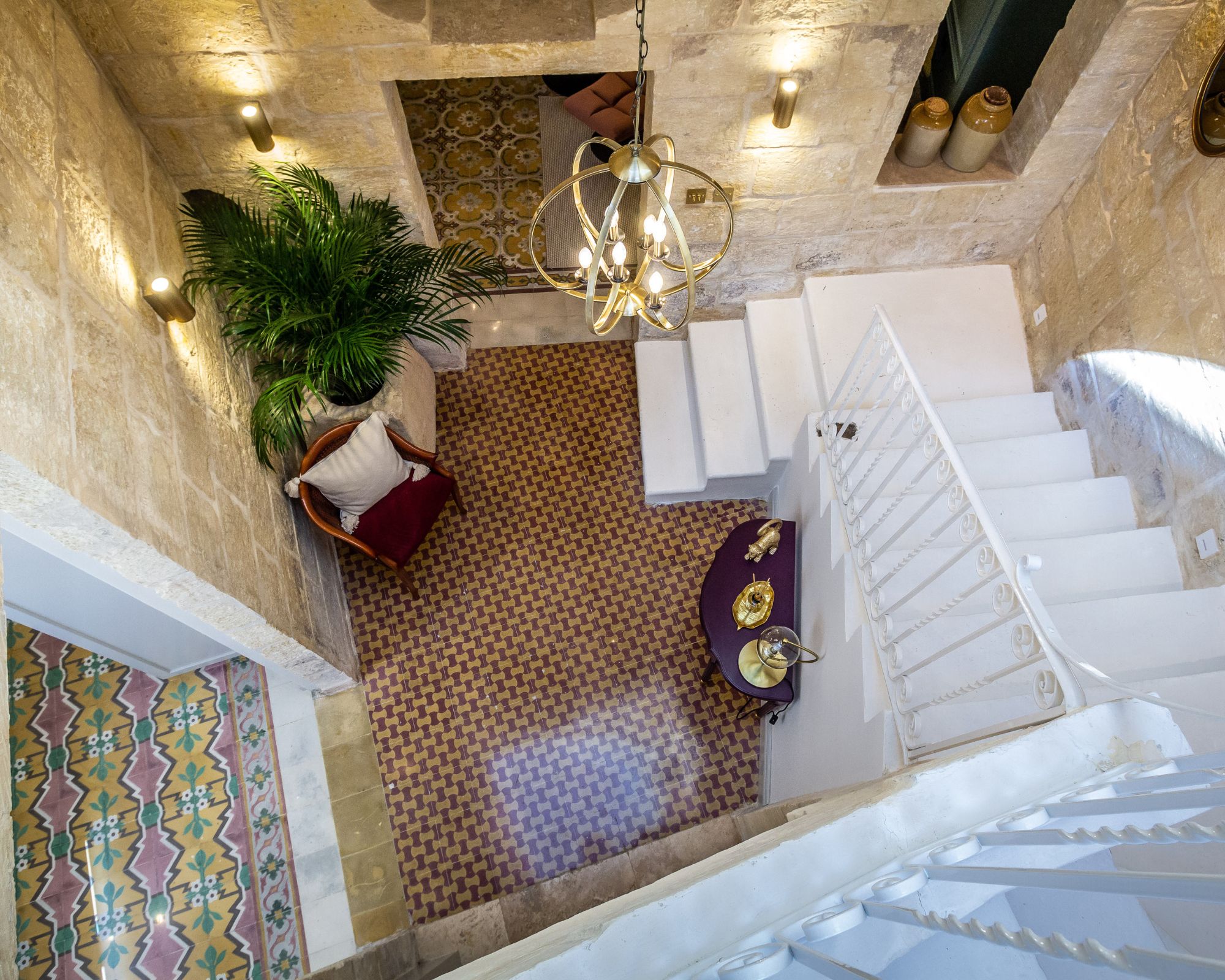
Older properties, particularly townhouses and houses of character, may offer significant upside through refurbishment. However, renovation is subject to:
Planning permits for structural changes
Restrictions in Urban Conservation Areas and heritage zones
Height limitations preventing vertical expansion in many locations
Energy efficiency requirements increasingly aligned with EU standards
As a result, not all “renovation opportunities” translate into capital uplift. In some cases, planning restrictions significantly reduce the feasibility of modernisation or expansion, limiting resale premium potential.
From an investment perspective, the key distinction is between cosmetic renovation potential and structural redevelopment potential. The latter is far more restricted and therefore more valuable when available.
Market Mispricing and the Importance of Correct Valuation
A defining feature of the current Maltese market is increasing dispersion in asking prices and realised values. This is typical of mature or supply-constrained markets where emotional pricing, foreign demand expectations, and redevelopment speculation influence listing behaviour.
Incorrect valuation typically results in two outcomes:
Overpricing leads to prolonged time on market, reduced buyer engagement, and eventual price reductions that may exceed initial realistic pricing levels
Underpricing results in rapid sale but potential capital loss relative to true market value
In a liquidity-constrained island market, time-to-sell becomes a critical performance metric. Properties that are incorrectly priced can remain unsold for extended periods, particularly outside prime zones or where view, layout, or rental suitability is misjudged.
Accurate valuation therefore directly affects marketability, not just pricing. The difference between a correctly positioned asset and an overestimated one is often the difference between a transaction within weeks versus stagnation for months.
Forward-Looking Considerations for Investors
Looking ahead, several structural themes will continue shaping Maltese property values:
Continued densification of urban coastal zones
Increasing importance of planning and height controls in determining value ceilings
Rising sensitivity of buyers to energy efficiency and renovation costs
Greater divergence between prime SDA assets and non-designated property
Liquidity concentration in a limited number of high-demand districts
In addition, regulatory scrutiny over planning and development continues to evolve, meaning that long-term value is increasingly tied not only to location but also to regulatory certainty and redevelopment constraints.
The Maltese property market is no longer a uniform growth environment. It is a segmented and structurally constrained market where valuation accuracy, planning knowledge, and forward-looking risk assessment directly determine investment performance.
Buyers must consider not only current price levels, but also future build-out risk, planning permissions in surrounding plots, renovation limitations, and liquidity conditions in their chosen area. In such a market, professional valuation discipline is essential, as pricing errors directly translate into extended time on market or missed capital opportunity.
How Christie's International Real Estate Malta Can Help
In a market where pricing accuracy, planning constraints, and micro-location dynamics play a decisive role, informed advisory support is critical. Christie's International Real Estate provides access to detailed market intelligence, comparable transaction analysis, and local planning insight that allows clients to assess not only current value but also future risk exposure. Through structured valuation guidance and curated property selection across Malta’s prime and emerging districts, clients are supported in making acquisition and disposal decisions that align with both investment strategy and long-term market positioning.
Success!

Take A Look
Book Your Luxury
Property Tour Today!


