Luxury Living
6 March 2026
What a $170M Miami Mansion Reveals About Luxury Property Value
1 min read
When the CEO of Meta and their spouse closed on a $170 million waterfront mansion in Miami’s Indian Creek Island, the deal not only set a Miami-Dade County price record, it also highlighted how today’s ultra-luxury homes are valued far beyond location and square footage.
Unlike a conventional luxury listing, this palatial estate, designed by renowned architect Ferris Rafauli and spanning nearly 30,000 square feet of limestone-clad grandeur, embodies a trend redefining what affluent buyers consider worth paying for in a property.

Beyond Bricks and Mortar: Architecture as a Value Multiplier
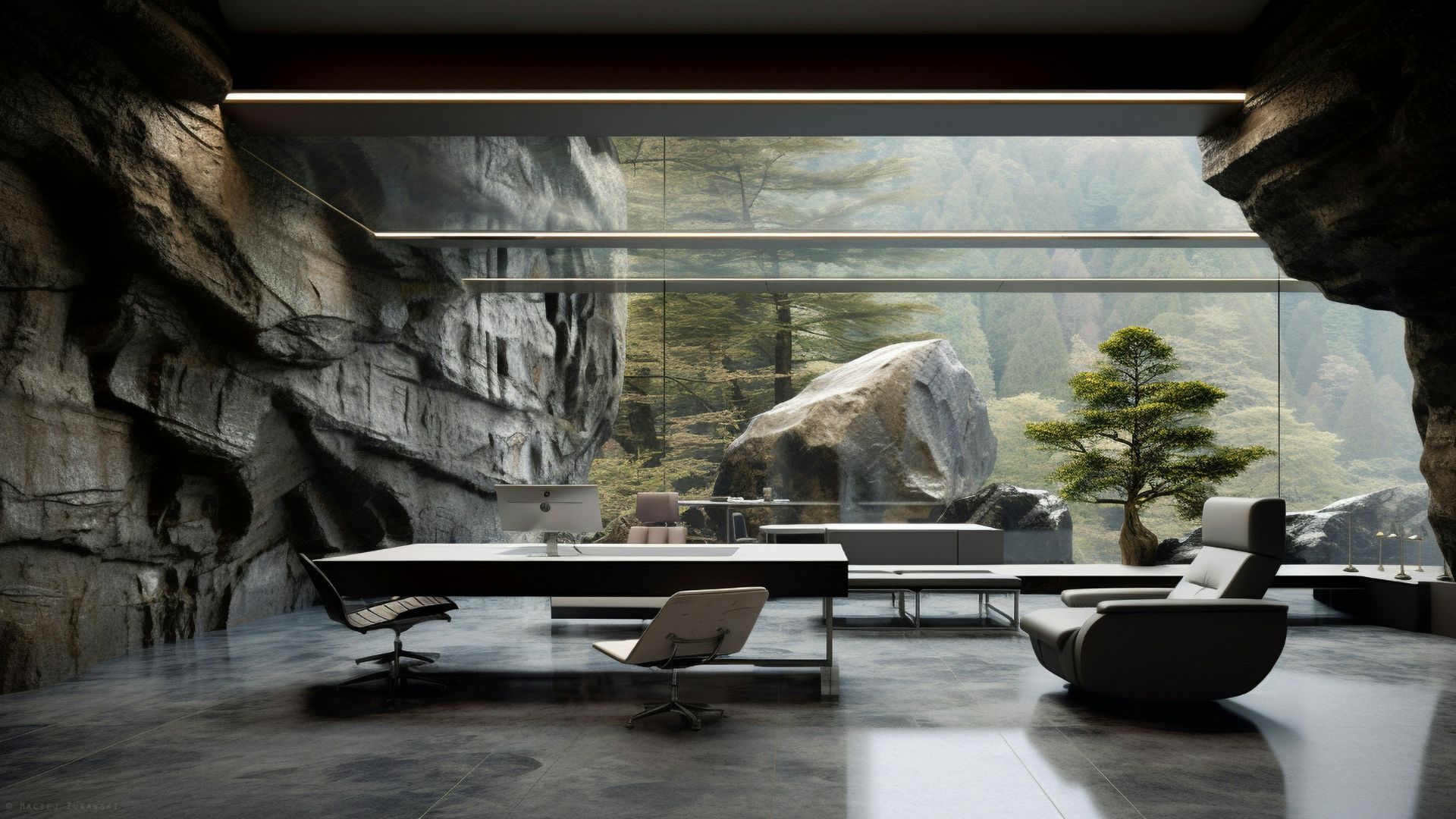
High-net-worth individuals increasingly seek architectural excellence and bespoke craftsmanship in prime real estate. Rafauli’s design for this estate features dramatic spatial gestures, including a massive 38-foot skylight and a sweeping central staircase, that are as much about experience as they are about construction quality.
In luxury markets, such architectural ambition signals permanence and prestige, helping justify record valuations.
The Power of Curated Interiors and Collectible Design
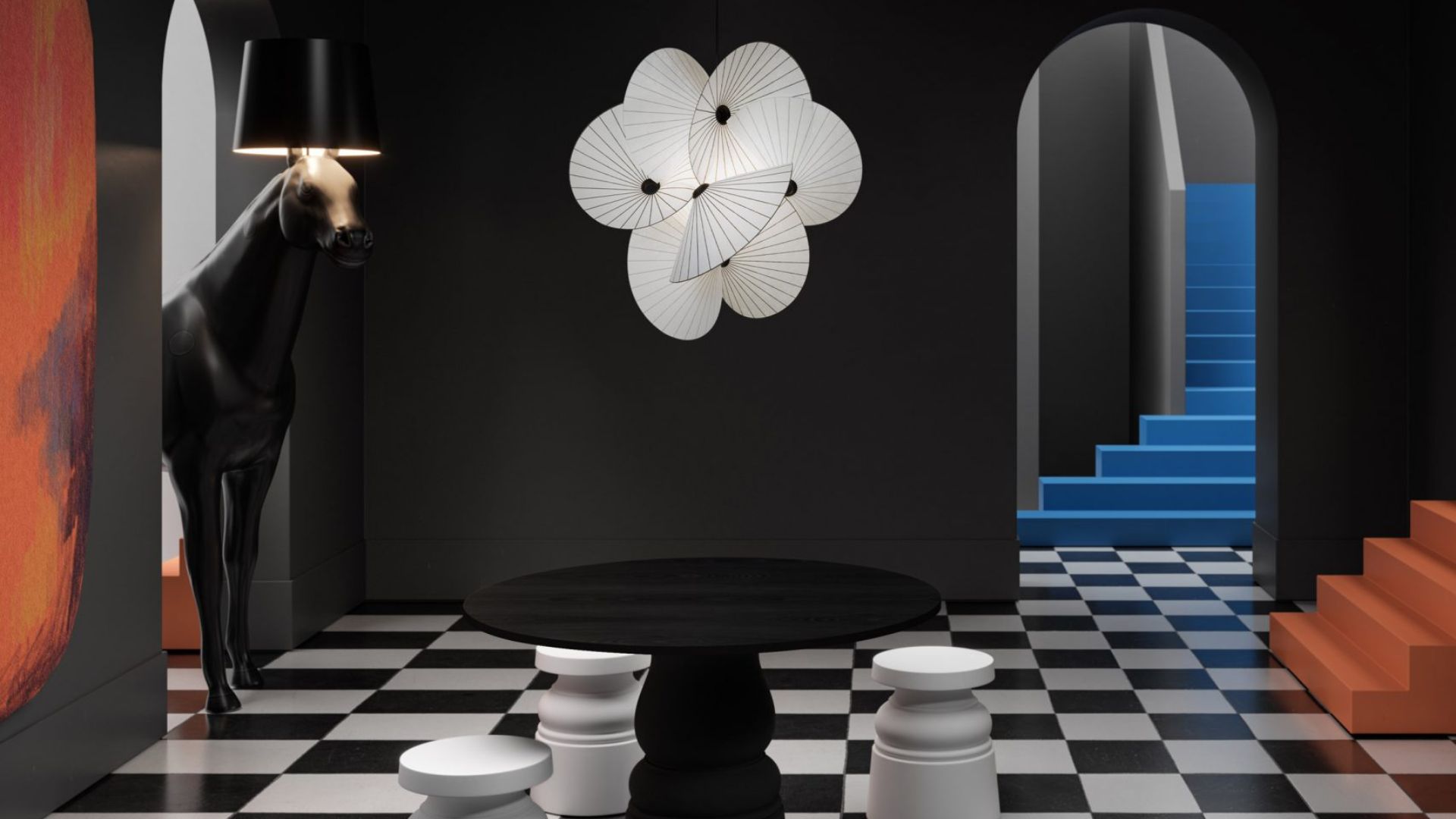
Another key value driver is interior content: the carefully curated design pieces and artworks that treat a residence as a personal museum rather than just a home.
While full renderings of this mansion are still under wraps, previous acquisitions by the owners offer clues. For example, a 7-foot bespoke statue commissioned for the property reflects both personal narrative and collectible art status.
Custom artwork, especially when created by notable artists or crafted to architectural scale, can shift a property from luxury dwelling to cultural asset. In the world of Instagram-era high wealth, art and design function as both aesthetic enrichment and social signaling. Search terms like “luxury art in homes,” “iconic design furniture,” “collectible contemporary sculpture,” and “architectural interiors worth investing in” all reflect consumer interest in these elements.
Design and Amenities That Define Modern Luxury Living
Luxury buyers today prioritise experiences as much as finishes. In this estate, features like:
-
a 1,500-gallon aquarium serving as a dramatic interior divider
-
a hidden library passageway
-
a dedicated spa, gym and salon suite
-
expansive outdoor living spaces with cabanas and waterfront lounges
all contribute to the narrative that this is a private lifestyle ecosystem.
Such amenities increasingly appear in search queries and media coverage around ultra-luxury real estate: from “luxury waterfront homes with custom interiors” to “multi-million-dollar homes with art installations,” consumers want to see how spaces serve living, entertaining, wellness, and collection display simultaneously.
Art, Design and Value: What Buyers Really Want
From an investment and lifestyle perspective, there are a few clear takeaways for luxury property buyers and sellers:
-
Architectural Distinction Matters
Homes designed by recognized architects with signature elements — dramatic light, grand circulation spaces, meticulous materiality — tend to outperform on both emotional appeal and price. Think masterpiece vs. commodity. -
Art and Collectible Design Add Perceived Value
Curated interiors including original art, bespoke sculptures, or rare design furniture create a sense of experience and exclusivity that standard staging cannot replicate. A commissioned sculpture or room-defining piece can become a value anchor in marketing narratives. -
Lifestyle Integration is Value Creation
Amenities that blur boundaries between home, wellness sanctuary, and entertainment venue are now expected at the top tier, and properties that deliver these often command significant premiums. -
Exclusivity Still Drives Demand
Indian Creek Island, often dubbed the “Billionaire Bunker,” illustrates that privacy, security, and prestige remain among the top search drivers for luxury real estate.
This Miami purchase demonstrates something important: in the ultra-luxury segment, value transcends land and structure. Today’s most compelling properties are defined by a combination of architectural excellence, curated design, and lifestyle richness, and increasingly, the very objects within the home play a role in shaping its worth.
Whether it’s bespoke art, sculptural furniture or customized interior elements, these components signal cultural capital and reinforce market value for affluent buyers.
This shift is reflected in how luxury consumers search, perceive and invest in properties, prioritising experience, craftsmanship and personal expression above all.
Success!
Take A Look
Book Your Luxury
Property Tour Today!


