Luxury Living
17 March 2025
Cost of Living in Malta 2025: Affordable Luxury in the Heart of the Mediterranean
5 min read
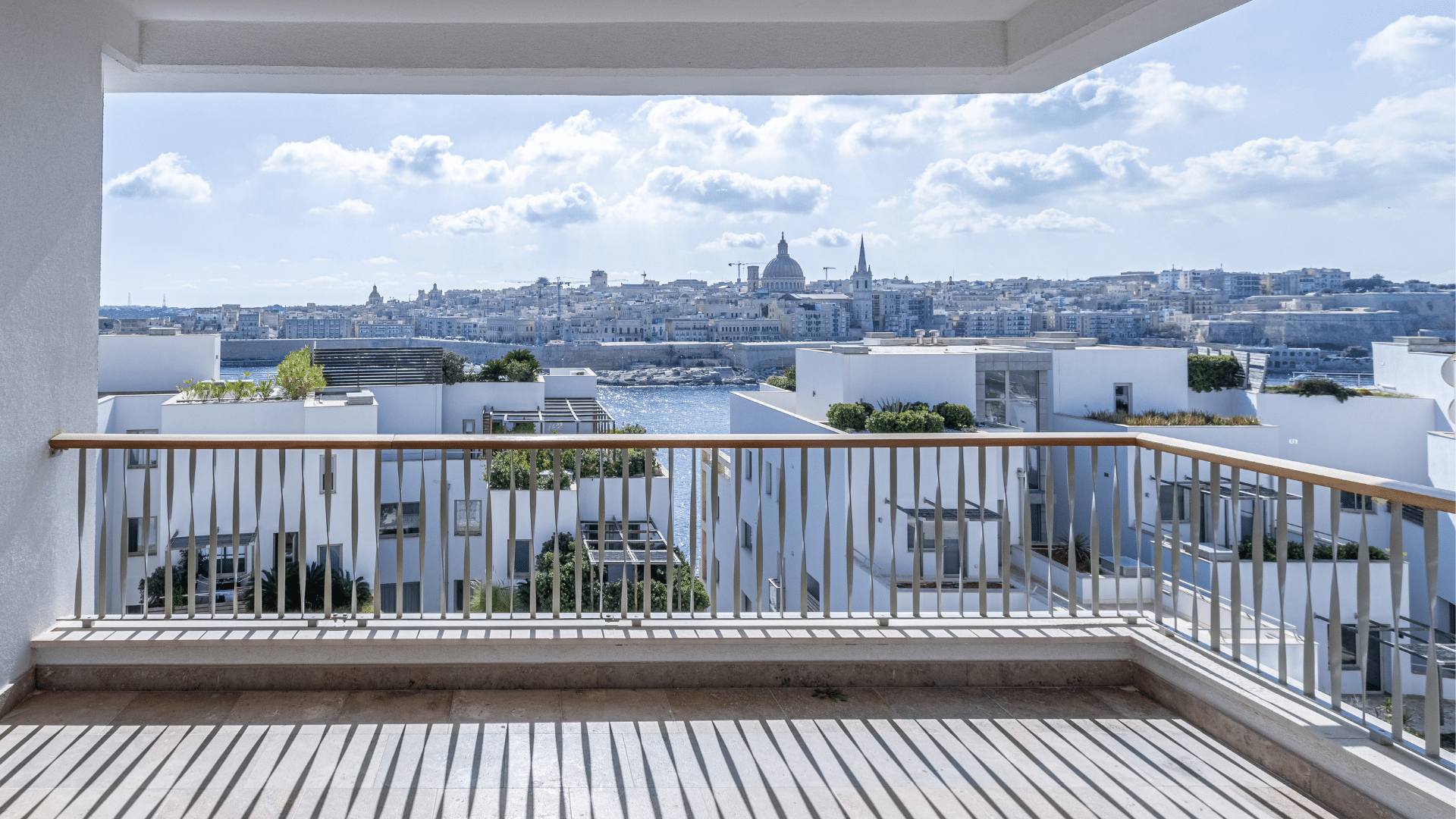
Cost of Living in Malta in 2025: Your Complete Guide
Malta, an island nation in the Mediterranean, is a popular destination for expats, investors and digital nomads. Its strategic location, favourable tax system, warm climate and high quality of life make it an attractive choice for those seeking a better lifestyle. Understanding the cost of living is key for anyone considering relocating to Malta. This comprehensive guide explores housing, healthcare, taxes, education and the overall cost of living in Malta.
Housing Costs in Malta
Renting Property
Rental prices in Malta vary significantly by location, property type and specification. While the general market offers options across all price points, Christie's International Real Estate Malta specialises in premium long-let residences, with luxury apartments, penthouses and villas typically ranging from €3,000 to €5,000 per month and above.
Buying Property
The Maltese property market continues to thrive, with an annual growth rate of approximately 6.9%. The price of buying a property depends on the location and type of property, with luxury developments in areas such as Tigne Point or Portomaso commanding higher prices.
One of Malta’s major advantages is its favourable tax system for property owners
. There are no annual property taxes and buyers only pay a 5% stamp duty at the time of purchase. Additionally, there are no hidden taxes, making Malta a transparent and appealing market for property investment.
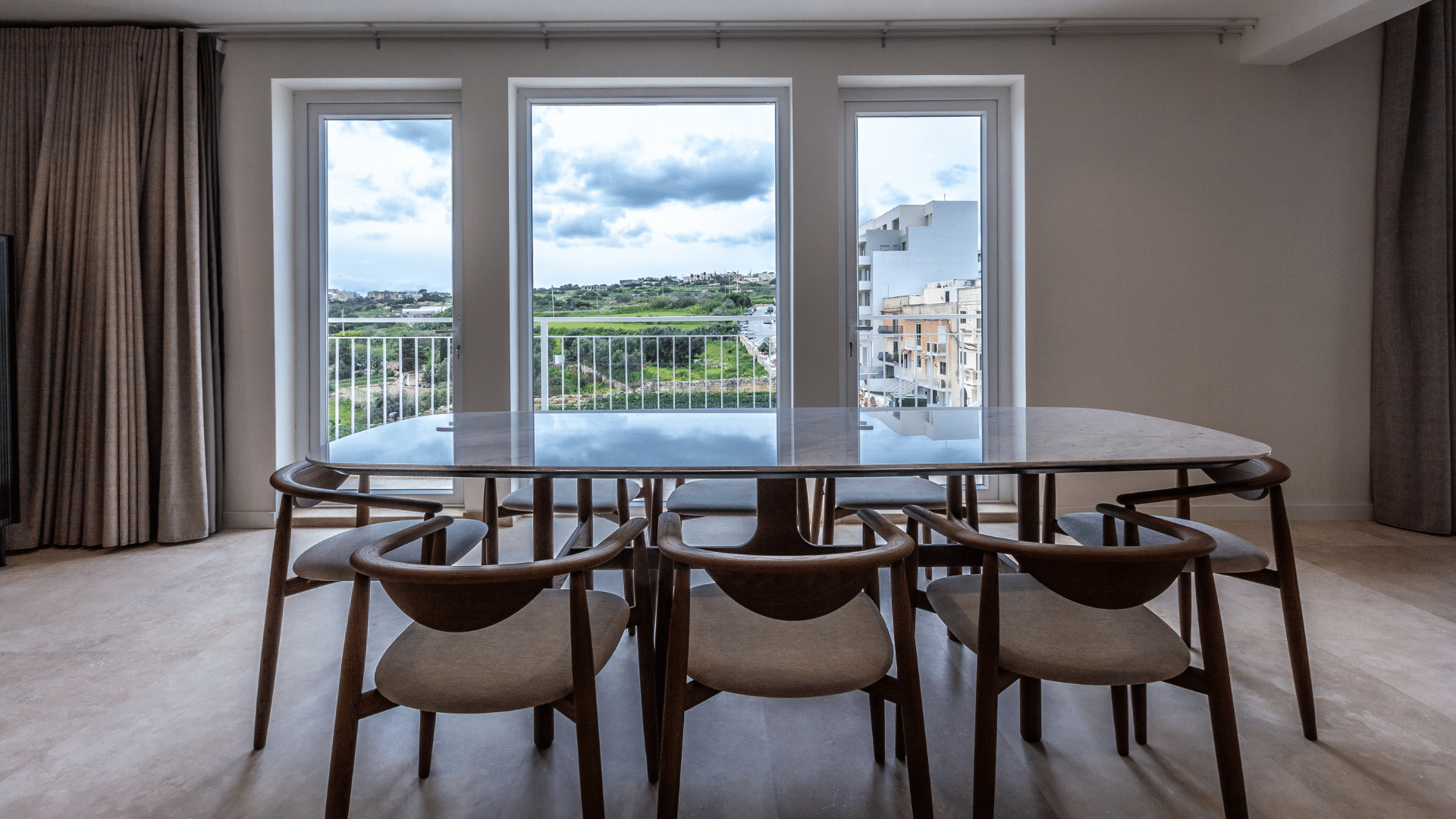
Education: Private Schools in Malta
Malta offers excellent private schooling options, catering to both local and international families. Many schools follow British, American, or International Baccalaureate (IB) systems. The tuition fees for private schools start at approximately €1,000 per trimester, depending on the grade. These schools deliver a high standard of education, with English widely used as the language of instruction.
Healthcare Costs in Malta
Malta’s healthcare system is ranked among the best in the world, combining accessible public services with high-quality private care. EU nationals benefit from free public healthcare under the European Health Insurance Card (EHIC).
Private healthcare is also widely used, with premiums for private health insurance being significantly lower than in the United States, Ireland, or the UK. This affordability ensures access to fast and comprehensive care without the prohibitive costs found in other countries.
Dining and Food Costs
Dining out in Malta is remarkably affordable. A meal at a casual restaurant typically costs between €15 and €20, while a three-course meal for two at a mid-range restaurant averages €60 and €80. These prices are notably lower than in most European countries.
Grocery shopping is also reasonably priced, especially for locally sourced fresh produce and seafood. However, imported goods may be slightly more expensive due to transportation costs.


Transportation and Utilities
Malta’s small size makes getting around exceptionally convenient. Public transport is reliable and inexpensive, with a monthly bus pass costing €39. There are plenty of taxis available and inexpensive, again because the distances are not very long. Driving is also popular, with most destinations reachable in under 20 minutes.
Utilities, including electricity, cost around €100 per month for a standard apartment. High-speed internet is widely available and costs approximately €30 per month. Local sim-card with unlimited data plan – around €25 per month.
Strategic Location of Malta
Malta’s strategic location is one of its biggest advantages. The island is just a one- to two-hour flight from major international hubs such as Rome and Frankfurt. From these airports, travellers can connect to destinations across the globe. This accessibility is ideal for business professionals and frequent travellers.
Additionally, Malta’s compact size ensures that everything is close by. For example, getting to the airport from most parts of the island takes no more than 20 minutes.
Mediterranean Climate and Lifestyle
Malta enjoys a Mediterranean climate, with over 300 sunny days per year. Winters are mild and summers are warm, making the island an appealing destination year-round. The relaxed and easygoing Mediterranean lifestyle is another key benefit. Residents enjoy a slower pace of life, with a focus on family, outdoor activities and socialising. Combined with Malta’s beautiful scenery and rich cultural heritage, this lifestyle offers an excellent balance between work and leisure.
Tax System in Malta
Malta has a highly competitive tax system, making it one of the most tax-efficient countries in Europe. Residents pay no annual property taxes and the 5% stamp duty on property purchases is the only tax associated with homeownership.
For foreign residents under the Global Residence Programme, remitted foreign income is taxed at a flat rate of 15%. Additionally, Malta offers a favourable corporate tax refund system, which is highly attractive to investors and business owners.
Comparative Cost of Living
Malta’s cost of living is moderate compared to other European countries, offering excellent value for its high quality of life. While housing and utilities are reasonably priced, dining out, transportation and private healthcare are particularly affordable. Private education costs are also competitive, especially for families seeking British or American curricula.
Conclusion
Malta offers an outstanding quality of life at a reasonable cost. From its favourable tax policies and strategic location to its Mediterranean climate and relaxed lifestyle, the island continues to be an appealing destination for expats, families and investors.
Whether you’re considering buying property, relocating for work, or simply enjoying the sunshine, Malta provides an exceptional blend of affordability, convenience and opportunities.
Success!
Take A Look
Book Your Luxury
Property Tour Today!


