Market News
18 November 2025
Malta Real Estate Forecast: How 2025 Changes Will Shape 2026
1 min read
As 2025 draws to a close, Malta’s real estate market is entering a period of recalibration. This year brought significant policy shifts in citizenship, taxation and property incentives that are expected to shape buyer and investor behaviour in 2026. The market is evolving beyond purely transactional investment and moving towards long-term, sustainable demand. This is driven by professional residents, entrepreneurial talent, heritage restoration, and a growing emphasis on lifestyle and quality living. Luxury and upper-mid segment properties are increasingly valued for authenticity, infrastructure, and long-term usability rather than short-term gain.
From Citizenship by Investment to Merit-Based Residency
In 2025, Malta officially ended its citizenship-by-investment programme, marking a significant policy shift for the property market. While this change reduced purely transactional, investment-driven purchases, the government has introduced a merit-based residency framework aimed at attracting skilled professionals, entrepreneurs and knowledge-based investors.
The focus is on individuals who will contribute to the economy, integrate into local communities and establish long-term ties to the island. For the luxury and upper-mid segment, this translates into demand from buyers and tenants who prioritise quality homes, well-planned infrastructure and lifestyle amenities. By attracting residents who are professionally active and committed to long-term residence, Malta is fostering a more stable and sustainable property market that extends beyond short-term speculation.

Highly Qualified Persons and Expats
Malta continues to attract skilled professionals through the Highly Qualified Persons (HQP) scheme. In 2025, the programme was extended to cover additional sectors, including back-office operations in finance, gaming, aviation, and technology. Eligible professionals enjoy a flat 15% income tax rate, making Malta a compelling destination for talent seeking long-term European residency.
For the property market, this translates into stable demand for high-quality housing. Professionals relocating to Malta are likely to prioritise residences with robust infrastructure, well-maintained amenities, and convenient access to work and social facilities. This trend is expected to strengthen the long-term rental market and support a shift away from short-term or purely speculative investment models.
Start-Ups and Entrepreneurial Residency
The 2025 budget reinforced Malta’s position as a hub for innovation and entrepreneurship. Measures included the relaunch of the Seed Investment Scheme, expansion of the government-backed Venture Capital Fund, and tax deductions for business-related capital expenditure. Malta continues to support start-ups in fintech, technology, creative industries, and other knowledge-based sectors.
These developments are shaping residential demand in a subtle but significant way. Founders, executives, and knowledge workers relocating to Malta are likely to seek flexible, live-work residences that can accommodate professional activity alongside family life. For developers, this creates opportunities to design mixed-use properties, boutique residential units, and high-end apartments with integrated workspaces, enhancing both occupancy rates and long-term value.
Heritage, Restoration and Mid-Luxury Properties
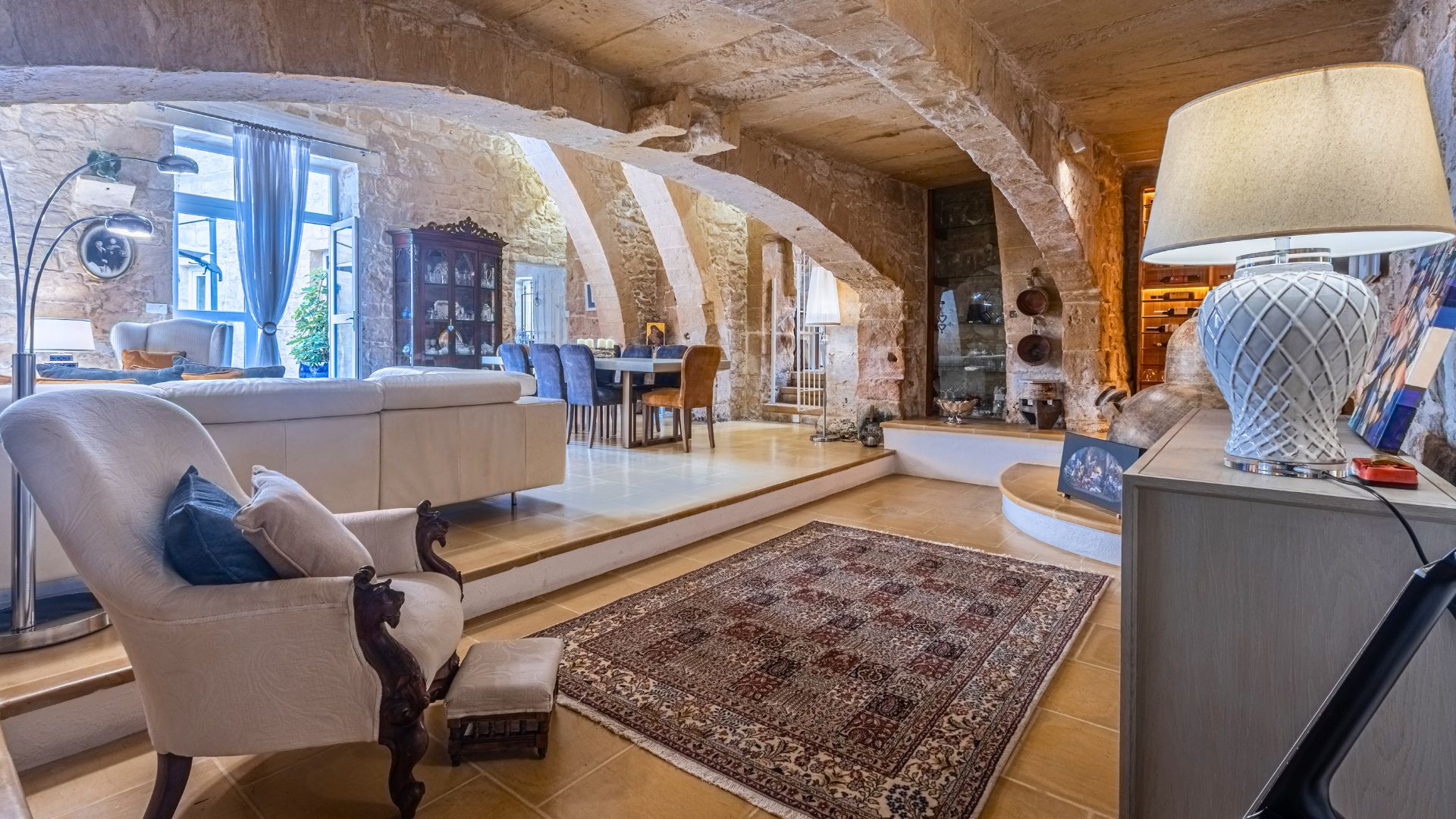
Property incentives in 2025 have further strengthened the market for heritage and restoration projects. These include schemes to convert long leases into freehold ownership, VAT refunds for restoration works and exemptions from stamp duty and capital gains for qualifying properties. Grants for first-time luxury homeowners and restoration-focused projects have also been extended.
For 2026, these incentives are likely to increase interest in restored historic properties, particularly in conservation areas. Buyers and investors are drawn to homes that combine character and architectural integrity with modern amenities. Developers may prioritise restoration over new-build construction, aligning with sustainability goals while appealing to high-end buyers seeking authentic Maltese residences.
Rental Market Evolution
The intersection of long-term residency, HQP inflows, and start-up relocation is expected to mature the rental market. In 2026, landlords may increasingly focus on longer-term tenancies for professional residents rather than short-term or tourist rentals.
Live-work arrangements are likely to grow in popularity. Tenants may seek properties with flexible layouts that support home offices or co-working spaces, encouraging landlords to invest in higher-quality units with modern infrastructure, energy efficiency, and thoughtful design. This shift is likely to stabilise rental yields while enhancing the overall quality of housing stock.
Redefining Luxury
The concept of luxury in Malta is evolving. Buyers are increasingly prioritising authenticity, heritage, sustainability, and integration into well-serviced communities. Properties that successfully blend historical character with modern, energy-efficient amenities are positioned to command premiums.
Location remains crucial, but the appeal is no longer confined to tourist hotspots or city centres. Well-connected areas with reliable infrastructure, access to services, and a balance of privacy and community are attracting long-term residents and professionals. Developers have an opportunity to focus on boutique residential projects that emphasise lifestyle, wellness, and environmental responsibility rather than purely decorative features.

Infrastructure, Decentralisation, and Long-Term Viability
The 2025 budget highlighted government interest in decentralisation, including the expansion of healthcare and public services beyond central urban areas. This creates potential for residential growth in previously underdeveloped zones, reducing pressure on traditional high-demand areas.
For investors and buyers, infrastructure is a key determinant of value. Areas with strong transport links, utilities, and community amenities are likely to appreciate in desirability over time. Developers and agents should consider future infrastructure plans when assessing opportunities, ensuring properties remain attractive to long-term professional residents.
Sustainability as a Market Driver
Sustainability is becoming a central factor in the perception of property value. Restoration incentives encourage reuse of existing buildings and minimise environmental impact. Professional and expatriate residents increasingly demand energy efficiency, low-maintenance features, and environmentally responsible construction.
Properties that combine heritage or architectural distinction with sustainable design are likely to outperform conventional units. Developers and agents who integrate these principles into their projects and marketing will be well positioned to capture the attention of discerning buyers in the luxury and upper-mid segments.
Risks and Challenges
Despite the positive outlook, several risks require careful management in 2026:
-
Planning and Overdevelopment: Poorly regulated decentralisation or overdevelopment could undermine infrastructure or heritage character.
-
Infrastructure Capacity: Growth in population may outpace public services, reducing the attractiveness of emerging areas.
-
Policy Uncertainty: Future adjustments to HQP, taxation, or property incentives could affect investor confidence.
-
Mismatch Between Supply and Demand: Developers who misread buyer preferences in terms of sustainability, authenticity, or lifestyle may face slower sales or lower occupancy.
Strategic Considerations for Stakeholders
For Christie’s International Real Estate Malta, 2026 presents opportunities to focus on quality, sustainability, and long-term value. Key strategic approaches include:
-
Positioning properties for professional residents and expatriate families who prioritise lifestyle, infrastructure, and authenticity.
-
Developing boutique, mixed-use, or live-work residential units that accommodate modern professional and family needs.
-
Emphasising heritage restoration and sustainable upgrades as premium features.
-
Engaging with policymakers to support thoughtful infrastructure and urban planning for decentralised growth.
Malta’s real estate market is entering a new phase in 2026. The end of citizenship-by-investment, combined with incentives for skilled professionals, entrepreneurs, and restoration projects, is reshaping demand in the luxury and upper-mid segments. Buyers are increasingly looking for homes that offer long-term value, architectural integrity, lifestyle amenities and sustainability.
Rental markets are expected to stabilise with longer-term, professional tenants, and decentralised areas may benefit from thoughtful infrastructure planning. For investors, developers, and agents, understanding these dynamics is essential. The focus is shifting from speculative investment to long-term, quality-driven growth, offering opportunities for those who can anticipate the evolving expectations of Malta’s discerning buyers.
Whenever you need any information on the market, assistance with properties or services we can offer through our trusted partners, get in touch with us and we will make sure to assist you the best way possible.
Success!
Take A Look
Book Your Luxury
Property Tour Today!


