Market News
2 July 2025
Shared Ownership in Luxury Property
1 min read

Luxury property ownership is evolving. In recent years, a rising number of high-net-worth individuals have begun to explore alternative models to traditional full ownership — most notably, shared ownership, also known as fractional ownership. Once considered niche, this trend is now shaping the way buyers engage with high-end real estate, particularly in second-home destinations.
But how exactly does shared ownership work? And is Malta positioned to embrace this model?
Understanding the Ownership Models
- 1. Fractional Ownership
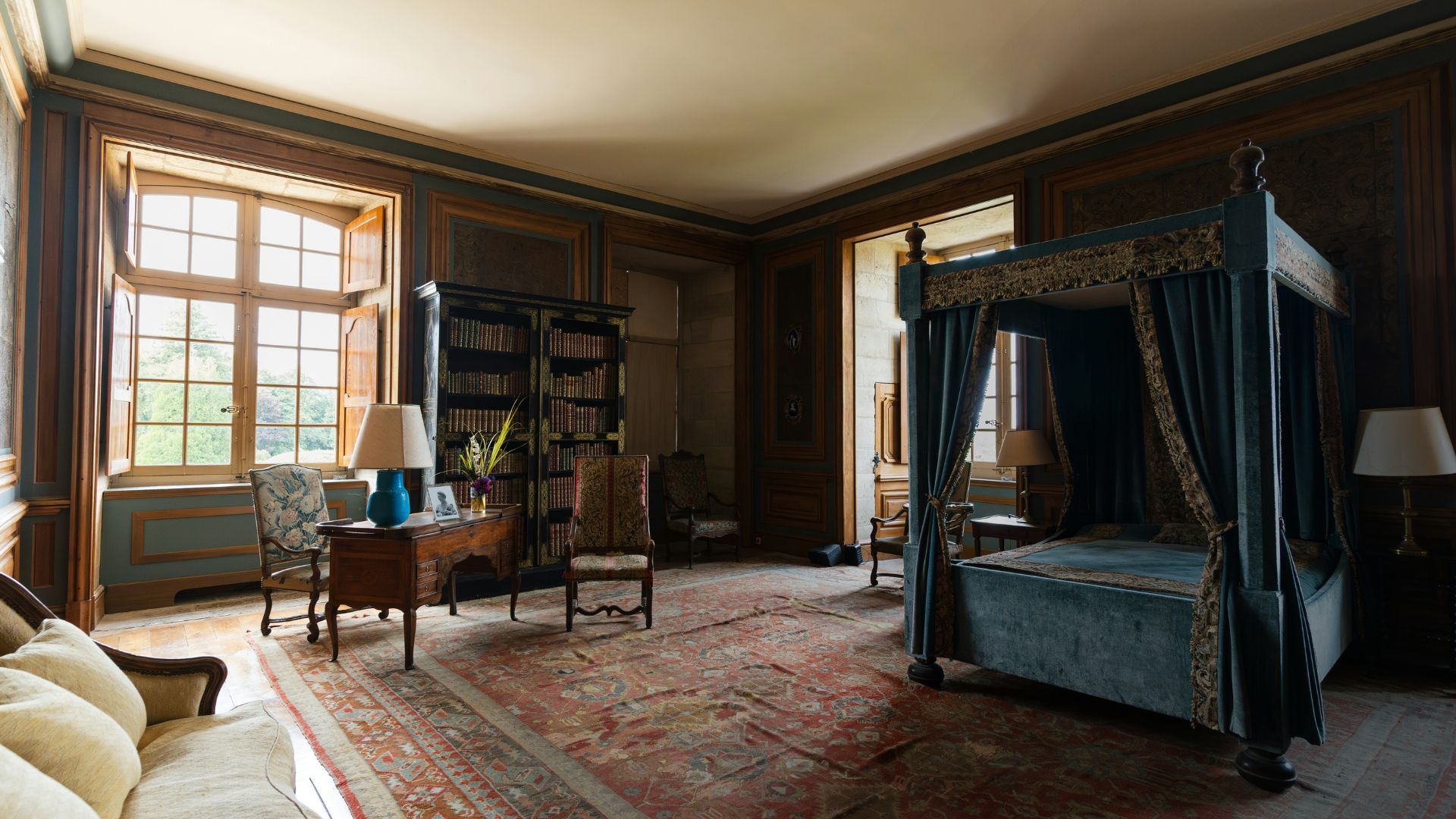
This model allows several individuals to own equal or varied shares in a single property, typically between 1/8 and 1/4.
-
Each owner is granted usage rights in proportion to their share
-
The property is professionally managed
-
Maintenance, upkeep, and tax responsibilities are shared
-
The owner may enjoy personal use, or let out their time
-
Resale options are usually built into the agreement
Global Example: Companies such as Pacaso and August Collection offer co-ownership in luxury holiday homes across Europe and the United States, giving individuals the chance to enjoy a high-end property without the full cost or commitment.
2. Private Co-Ownership (Joint Purchase Agreements)
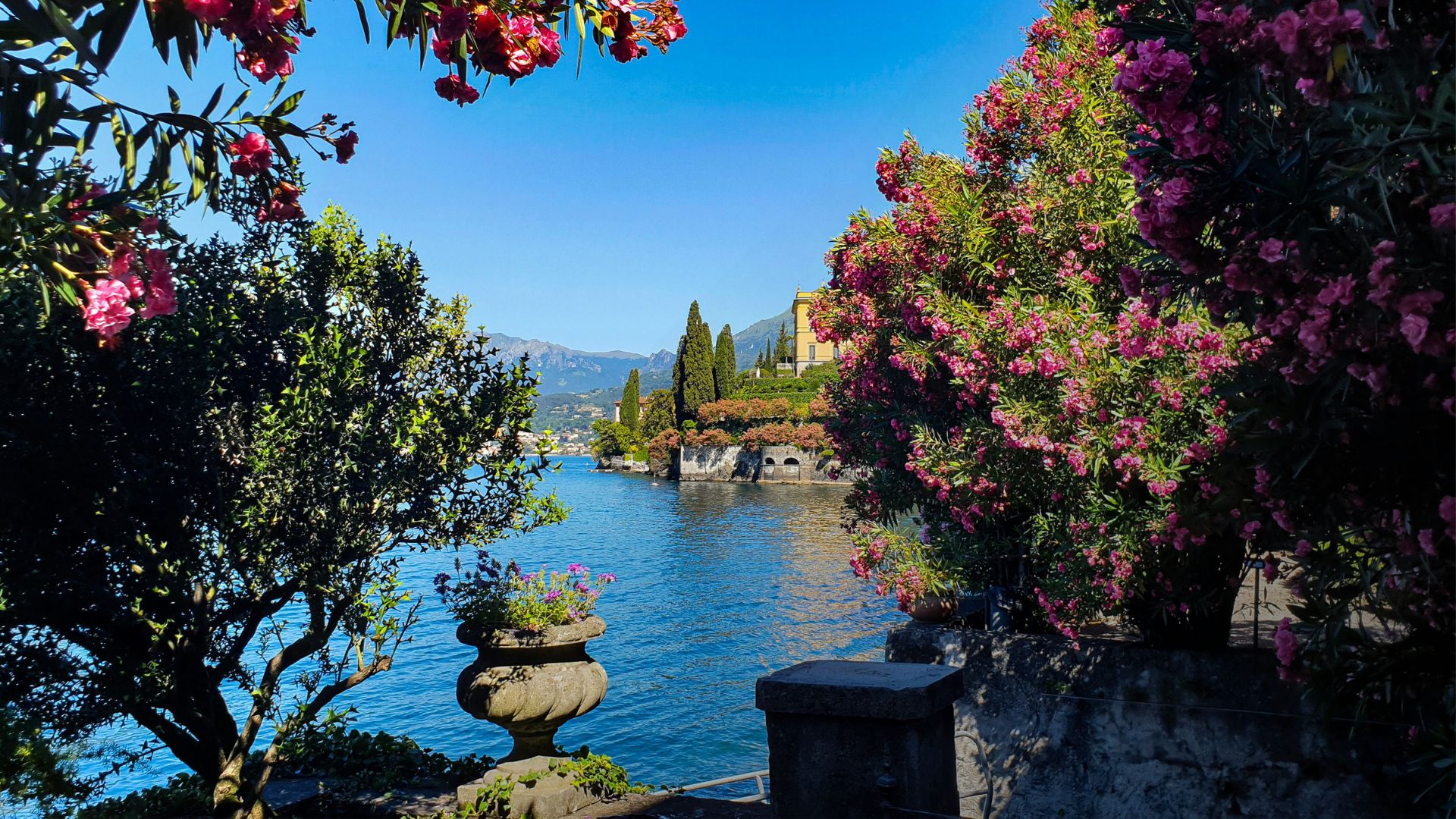
Two or more individuals (often friends, relatives, or investors) purchase a property together.
-
Each party owns a legal share of the asset
-
The arrangement is formalised via a contract or company structure
-
Usage rights, resale strategies, and management duties are clearly defined
-
This model offers flexibility but requires strong legal guidance
3. Tokenised Real Estate (Blockchain-Based Ownership)
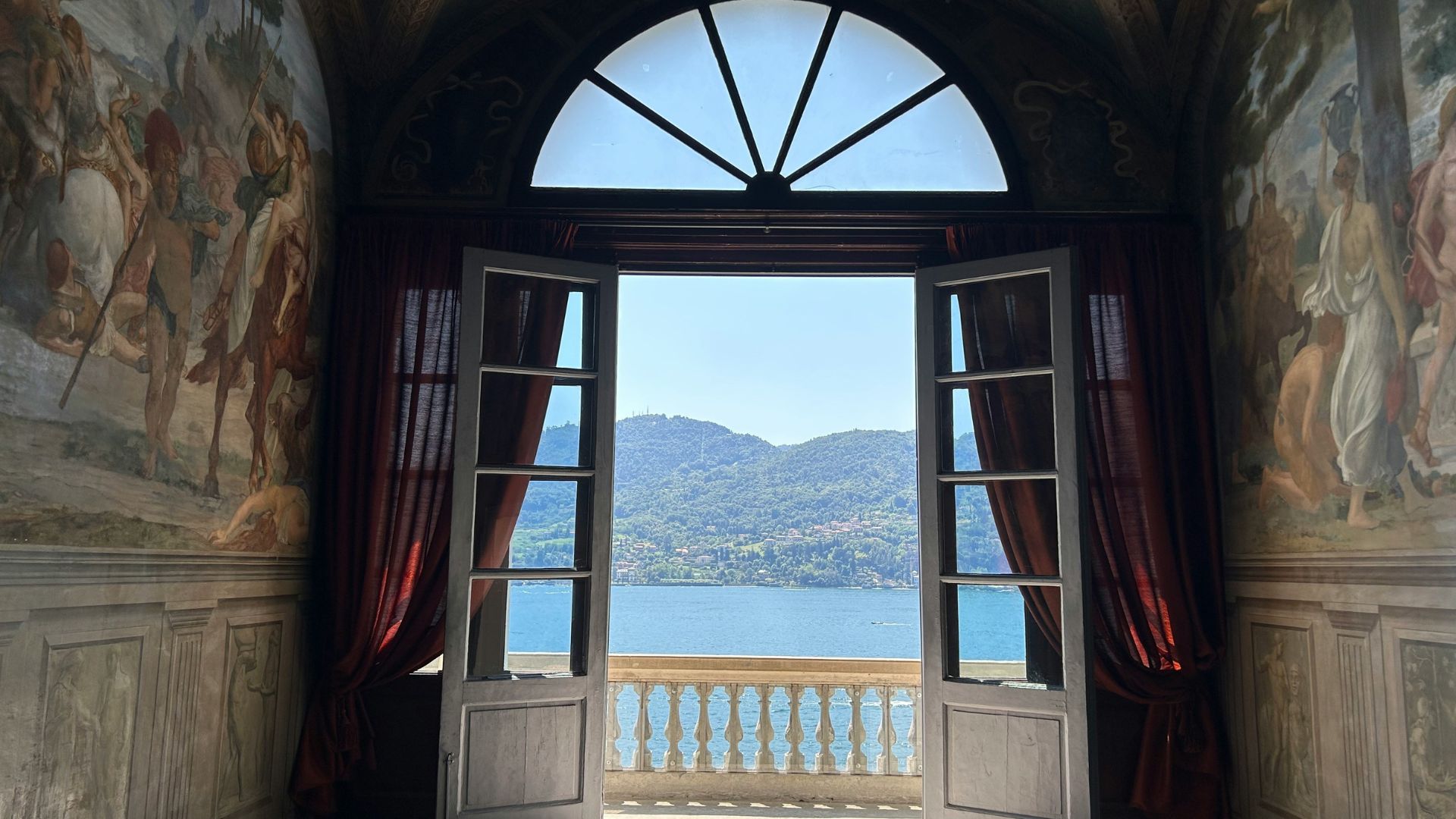
This is an emerging digital approach, where shares in a property are represented by tokens stored on a blockchain.
-
Allows investors to purchase fractional shares from as little as a few hundred pounds
-
Tokens can generate income or capital appreciation
-
Offers enhanced transparency and security
-
Often geared more towards financial investment than lifestyle use
-
Still subject to legal and regulatory uncertainty in many jurisdictions
Why This Trend is Expanding Internationally
Several factors are fuelling the growth of shared ownership models in luxury real estate:
-
Lower capital requirements: Buyers can access prestige properties without full upfront expenditure
-
Increased flexibility: Ideal for those wanting to split time between multiple homes or countries
-
Cost efficiency: Operating and maintenance costs are divided amongst the owners
-
Portfolio diversification: Investors can hold a stake in several properties globally
-
Improved tech infrastructure: Professional platforms, digital contracts, and secure management systems make the process more seamless than ever
Shared Ownership in Malta: Current Landscape
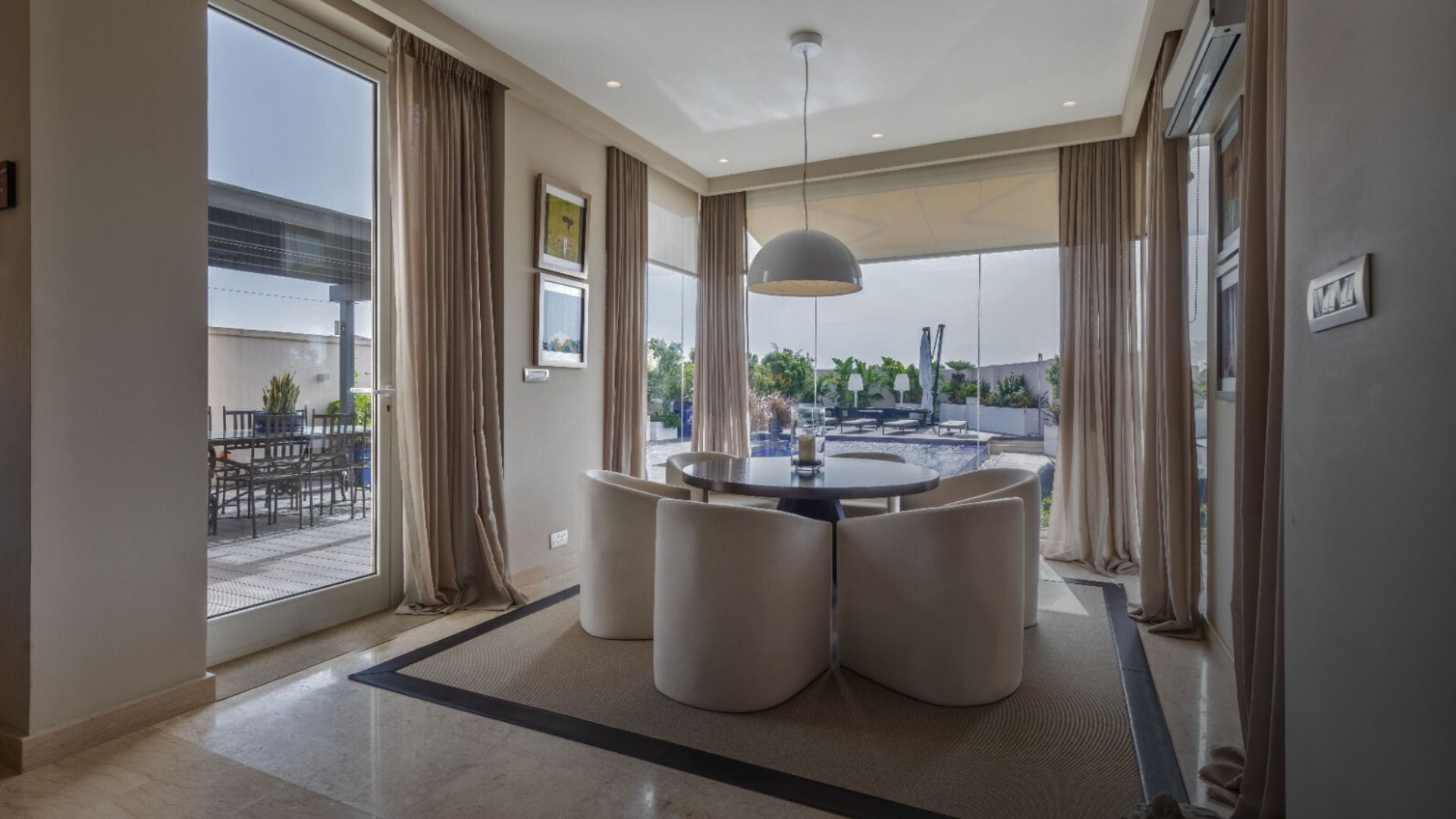
Malta’s luxury property market presents several favourable conditions for shared ownership to thrive, even though the model remains largely untapped locally. With growing demand from international buyers seeking second residences or lifestyle investments, the island’s high-end villas, seafront penthouses, and historic homes offer an attractive base for co-ownership arrangements. The country’s Mediterranean climate, EU status, and appealing residency schemes further enhance its potential. However, there are clear limitations at present. Malta does not yet have a dedicated legal or regulatory framework for fractional ownership or tokenised real estate, and standardised contracts or platform-based models are not yet in place. Although co-ownership through private agreements is possible, it typically requires bespoke legal structuring, company formation, and careful tax planning. Financing options for such arrangements remain limited, and major fractional ownership platforms have not yet entered the local market. Despite these challenges, the island is well-positioned to welcome these models in the near future, particularly as international interest and property values continue to rise.

Forecast: What Is Likely to Happen in Malta?
Though the model is not yet common in Malta, it is likely to emerge over the coming years, especially as buyers become more global, mobile, and financially strategic.
What We Expect:
-
Private buyers will increasingly enter joint-purchase agreements for luxury second homes
-
Maltese legal firms may begin offering standardised co-ownership templates
-
Select developers and agents could collaborate to structure bespoke fractional ownership offerings
-
International platforms may explore Malta as an expansion territory due to its EU positioning, tax stability, and luxury appeal
-
Blockchain-based property shares may become viable as European regulation around tokenisation matures
At Christie’s International Real Estate Malta, we stay ahead of global trends to better serve our clients — whether you are buying a residence, diversifying your portfolio, or planning a legacy asset.
While Malta’s legal framework does not yet support widespread shared ownership models, the island is well-positioned to benefit from this evolving market. As always, we recommend speaking with legal and financial professionals before entering any shared ownership agreement.
Whether you are considering a traditional property purchase, joint ownership, or exploring future investment options, our team is here to guide you with insight, discretion, and the highest professional standards.
Success!
Take A Look
Book Your Luxury
Property Tour Today!


