Luxury Living
7 July 2025
Why Now? The 2025 Moment for Malta’s Luxury Property Market
1 min read

In an age where global mobility is both a privilege and a challenge, the decision to purchase property abroad is no longer just about location — it's about legislation, taxation, long-term value, and lifestyle. While traditional destinations like London, Berlin, Toronto, and New York continue to hold their appeal, a growing number of internationally minded buyers are turning their attention to a small island in the heart of the Mediterranean: Malta.
Once known mainly for its ancient temples and honey-hued cities, Malta in 2025 is fast becoming one of Europe’s most discreet but powerful luxury property markets. Here, foreign nationals are not only welcomed — they are strategically accommodated. Buyers from the United Kingdom, North America, and across Northern Europe are discovering that Malta offers a blend of lifestyle, investment security, and flexibility that is increasingly rare in the developed world.
A Changing Global Landscape
For many high-net-worth individuals (HNWIs), the shift in focus toward Malta is not just about what the island offers - it’s about what other countries are beginning to restrict. Governments across Western economies are tightening foreign ownership laws, introducing punitive property taxes, and limiting rental freedoms.
In the United Kingdom, the once-attractive non-domiciled tax status is being phased out, additional stamp duty for overseas buyers remains in force, and council tax on high-value properties continues to climb. In Germany, complex rental controls and region-specific transaction costs - often exceeding 10% - discourage investment-led acquisitions. Canada has extended its ban on non-resident property purchases until 2027 and continues to apply speculation and vacancy taxes in key urban centres. The United States, though open to foreign buyers, burdens property with significant ongoing costs, including state-level property taxes, capital gains, and estate tax exposure. And in much of Northern Europe - from Denmark to the Netherlands and Finland - increasing scrutiny on foreign buyers and high capital gains tax rates make short-term investment unattractive.
Against this backdrop, Malta remains remarkably consistent - and remarkably accommodating.
A Changing Global Landscape
For many high-net-worth individuals (HNWIs), the shift in focus toward Malta is not just about what the island offers - it’s about what other countries are beginning to restrict. Governments across Western economies are tightening foreign ownership laws, introducing punitive property taxes, and limiting rental freedoms.
In the United Kingdom, the once-attractive non-domiciled tax status is being phased out, additional stamp duty for overseas buyers remains in force, and council tax on high-value properties continues to climb. In Germany, complex rental controls and region-specific transaction costs - often exceeding 10% - discourage investment-led acquisitions. Canada has extended its ban on non-resident property purchases until 2027 and continues to apply speculation and vacancy taxes in key urban centres. The United States, though open to foreign buyers, burdens property with significant ongoing costs, including state-level property taxes, capital gains, and estate tax exposure. And in much of Northern Europe - from Denmark to the Netherlands and Finland - increasing scrutiny on foreign buyers and high capital gains tax rates make short-term investment unattractive.
Against this backdrop, Malta remains remarkably consistent - and remarkably accommodating.

The Maltese Advantage
Unlike many of its peers, Malta does not impose annual property taxes or wealth taxes. Its capital gains tax system is flat and predictable, with meaningful exemptions for those who make their property their primary residence. Most importantly, foreigners can purchase and own property directly, without complex corporate structures or burdensome limitations — provided they understand the distinction between Special Designated Areas (SDAs) and the rest of the local market.
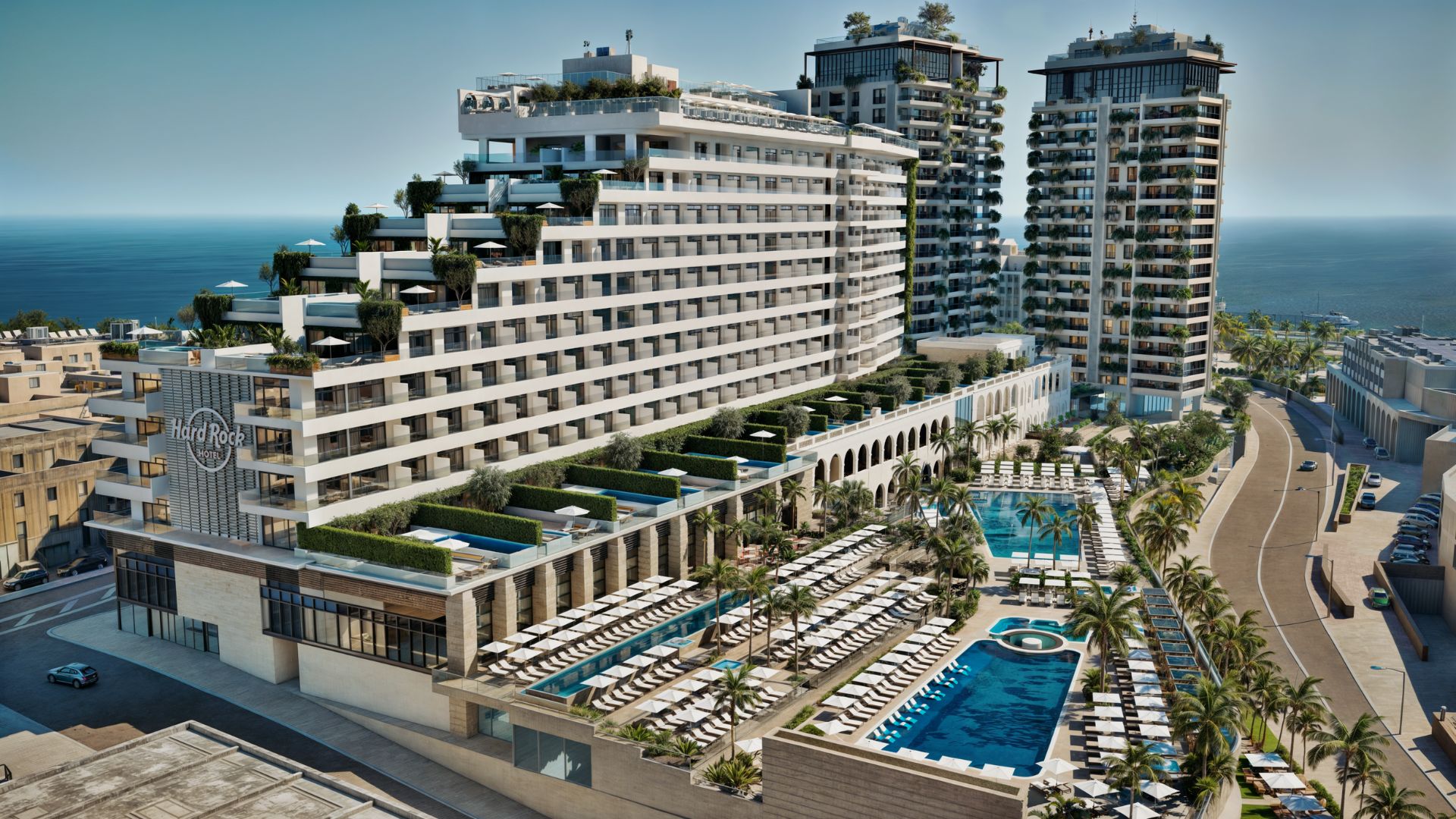
SDAs are exclusive zones earmarked by the Maltese government to attract international investment. Developments within these zones — such as ORA Residences, Verdala Terraces, and the iconic Mercury Towers — offer foreign nationals the freedom to purchase without restriction and the right to rent their property freely, whether for long-term leasing or short-stay tourism. These projects often come with private amenities, 24/7 security, and concierge-style living, making them ideal for second-home owners or frequent international travellers.
Outside of SDAs, the process is more nuanced. Non-EU citizens, or EU citizens purchasing a second property, must obtain an Acquisition of Immovable Property (AIP) permit, which costs a one-time €233. This permit generally allows the property to be used for personal residential purposes, but short-term renting is prohibited, and long-term letting is subject to local zoning and approval.
This dual-track approach is one of Malta’s great strengths. It offers complete clarity: for those who prioritise flexibility, lifestyle, and rental potential, SDAs offer an ideal gateway. For those seeking quiet, long-term residential use, the broader market — including charming townhouses, farmhouses, and seafront villas — is just as accessible, albeit with different rules.
A Market in Evolution
Malta’s luxury real estate market is not standing still. In recent years, it has moved well beyond its early icons — such as Portomaso and Tigné Point — and into a new phase of design-led, lifestyle-focused development.
ORA Residences is a prime example: located in central Malta, it integrates wellness-first design, private dining experiences, curated green spaces, and digital concierge services into a tranquil, gated environment. It reflects a global shift toward residential spaces that enhance everyday wellbeing, not just impress with square footage.
Further inland, Verdala Terraces — perched at the edge of Rabat overlooking the silent city of Mdina — offers an entirely different mood: open vistas, understated elegance, and architectural sensibility that reflects Malta’s natural tones and heritage.
And then there’s Mercury Towers, a bold, sculptural statement by the late Zaha Hadid, which is reshaping the St. Julian’s skyline. Combining residences, hospitality, retail, and public plazas, it stands not only as a landmark but as a harbinger of Malta’s urban evolution.
Taxes, Tenure, and the Three-Year Rule
One of the most misunderstood yet valuable aspects of the Maltese system is its capital gains structure. Generally, the tax on sale is 8% of the total selling price. However, if you live in the property for at least three years and it is your sole ordinary residence, the tax is completely waived upon sale. This rule encourages long-term ownership and aligns perfectly with buyers seeking either relocation or part-time residency.
Even for those not eligible for exemption — for instance, investors renting out in SDAs — the tax remains straightforward and predictable, often calculated as 12% of the gain only. Crucially, there is no annual property tax, no inheritance tax on immovable property, and no wealth tax — all of which are becoming standard in many competing jurisdictions.
The Legal Process: Notaries, Deposits, and Due Diligence
Purchasing property in Malta is conducted through a notarial system. Your notary is independent of the seller and is responsible for holding your deposit in escrow, conducting due diligence on the property, and registering your title. A Konvenju — or preliminary agreement — is typically signed early in the process, at which point a 10% deposit is paid. This agreement is legally binding, and deposits are not refundable unless specific conditions are included.
While mortgages are available to foreigners, they tend to be conservative. Most buyers are expected to provide 20–40% equity and full documentation. Many international clients choose to purchase outright or partially finance through their home banks, depending on structure and tax planning.

Owning Wisely, Living Well
Malta does not aim to compete with the likes of Paris, London, or New York in scale — and that is precisely what makes it attractive. It is small, secure, sophisticated, and increasingly smart in the way it manages international ownership. It offers Mediterranean ease with European regulation, luxury without pretense, and a culture that values both privacy and community.
For those looking to relocate, invest, or simply escape seasonally to the sun, Malta offers more than just a home — it offers a framework: one that protects capital, promotes lifestyle, and simplifies ownership.
At Christie’s International Real Estate Malta, we specialise in guiding foreign buyers through every stage of this journey — from property search and due diligence to legal guidance and long-term strategy. Whether you're dreaming of a hillside terrace, a marina-side penthouse, or a smart investment in Malta’s next great district, we are here to help you make a confident and elegant move.
Success!
Take A Look
Book Your Luxury
Property Tour Today!


